


Musculoskeletal physiotherapy is a specific branch of healthcare that homes in on diagnosing and treating anything that affects your muscles, bones, joints, and the soft tissues connecting them. A good way to think of a physiotherapist is as a highly skilled ‘body mechanic’. They have an expert understanding of how all your body's moving parts are meant to work together, and their job is to get you back to moving freely and without pain.
A Deeper Look at Musculoskeletal Physiotherapy
Picture your body as a sophisticated, high-performance machine. Daily life, old injuries, or even just how you sit at your desk can cause parts of that machine to become stiff, weak, or out of sync. Musculoskeletal (MSK) physiotherapy is the science of digging deep to find the root cause of these problems—not just putting a plaster on the symptoms—to get everything running smoothly again. It’s about much more than a quick fix; it’s a process that considers your specific lifestyle, habits, and what you want to achieve.
This patient-focused approach is the bedrock of achieving lasting relief and genuine physical wellbeing. Its importance can't be overstated, especially when you consider that arthritis and similar conditions affect over 17 million people across the UK alone. These issues are a leading cause of chronic pain and disability, which is why the NHS is increasingly putting physiotherapists at the forefront as a first point of contact for patients.
The Core Pillars of MSK Care
At its heart, MSK physiotherapy is a logical and structured journey designed to take you from a place of pain and limitation to one of recovery and strength. It’s a field firmly rooted in the principles of evidence-based physical therapy, which simply means the techniques we use are backed by solid scientific research and proven to be effective.
The process can be broken down into a few key components.
To give you a clearer picture, here’s a breakdown of the key elements that make up a comprehensive MSK physiotherapy plan.
Core Components of Musculoskeletal Physiotherapy
| Component | Description |
|---|---|
| Comprehensive Assessment | This is the crucial first step. We listen to your story, understand your lifestyle, and conduct a thorough physical examination to pinpoint the exact source of the problem. |
| Manual Therapy | Often called 'hands-on' treatment, this includes techniques like massage, joint mobilisation, and manipulation to ease pain, reduce stiffness, and improve your range of motion. |
| Exercise Prescription | We design a personalised exercise programme with specific movements and stretches to strengthen weak muscles, improve flexibility, and support your recovery. |
| Education & Advice | A huge part of physiotherapy is helping you understand your condition. We provide practical advice on managing your symptoms and modifying activities to prevent re-injury. |
Each of these pillars works together to create a holistic treatment plan that addresses not just the immediate pain but also the underlying causes.
This visual shows how the journey typically flows, from that initial deep dive into what's wrong, through to active treatment and, finally, building a plan for long-term prevention.

This structure highlights a simple truth: a successful outcome relies just as much on an accurate diagnosis and targeted treatment as it does on proactive strategies to stop the problem from coming back. This complete cycle is what ensures you don’t just feel better for a week, but that you stay better for the long haul.
One of the most important goals of physiotherapy is to empower you with a deeper understanding of your own body. It's about giving you the knowledge and tools to manage your health independently and prevent future injuries, putting you back in control of your physical well-being.
What Kinds of Conditions Can an MSK Physiotherapist Treat?
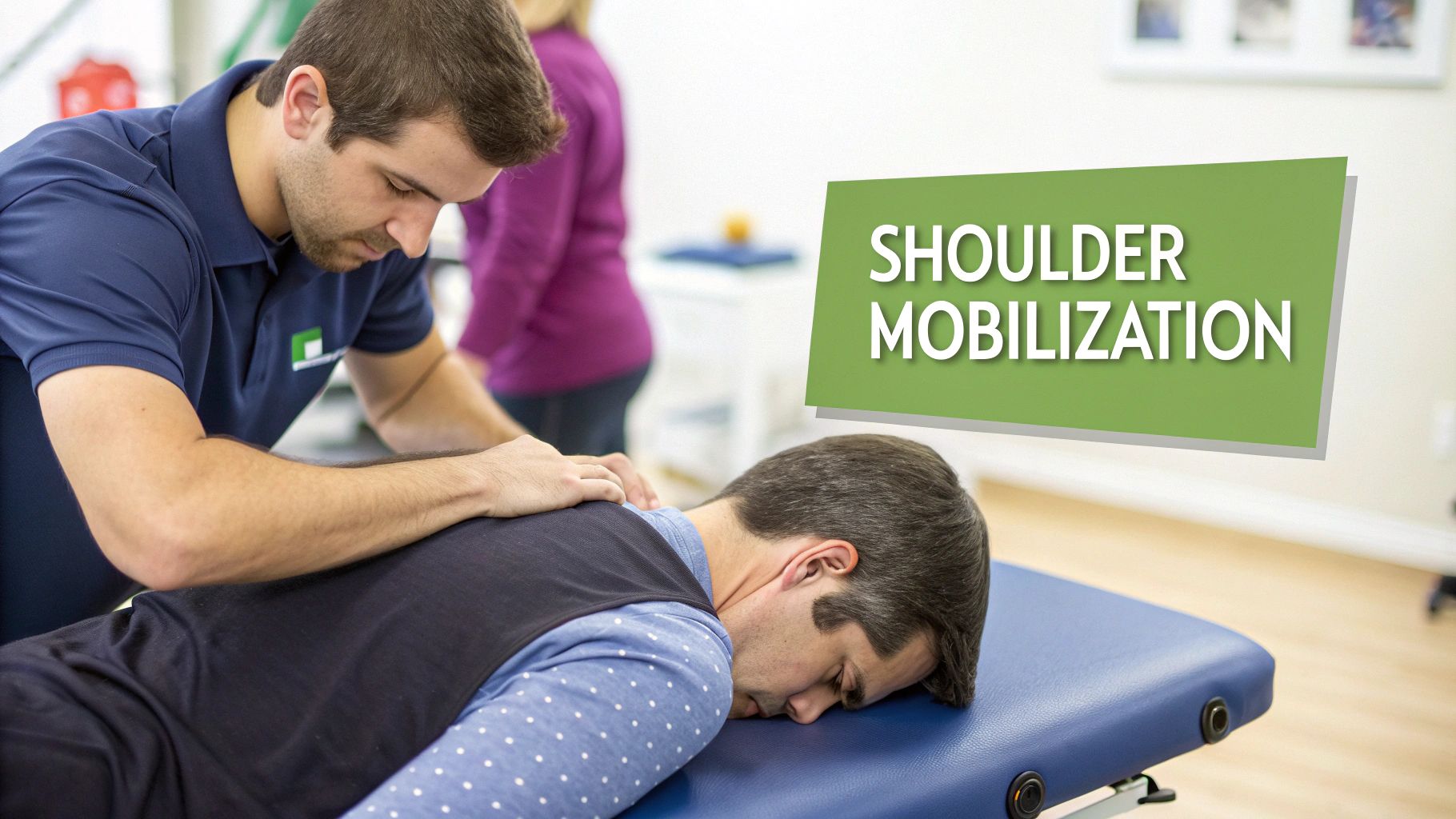
You don't need to be a professional athlete or have had a major accident to benefit from musculoskeletal physiotherapy. Far from it. This field is all about tackling the everyday aches, pains, and injuries that get in the way of life—from a dull ache in your lower back to a shoulder that just won’t cooperate anymore.
Put simply, if you’re dealing with pain, stiffness, or weakness anywhere in your body's movement system, an MSK physio is the expert you need to see. They work with people from all walks of life, helping them get back to feeling and moving their best.
These issues are more common than you might think. In fact, musculoskeletal problems are a leading cause of pain and disability across England, affecting everything from public health to productivity at work. The government even tracks this data, highlighting the deep connections between MSK conditions, other long-term illnesses, and mental health. You can see the national picture for yourself on the official government statistics website.
Everyday Aches and Postural Strain
Many of our common complaints are born from our daily habits. Think about it: long hours hunched over a desk can easily lead to neck pain, tension headaches, and that all-too-familiar nagging lower back ache.
An MSK physio gets to the heart of these problems by figuring out the postural imbalances causing the strain. They’ll use hands-on therapy to ease the immediate pain and then give you targeted exercises to strengthen your core and supporting muscles. To prevent this, try setting a timer to stand up and stretch every 30 minutes. Simple neck rolls and shoulder shrugs can relieve tension before it builds up. For a more detailed routine, our guide on exercises for back muscles is a great place to start.
Sports Injuries and Performance
Whether you're a weekend warrior or a serious athlete, picking up an injury can feel like a huge setback. This is where MSK physiotherapy really shines, helping you manage both sudden injuries and those niggling problems that build up over time.
We see a whole range of sports-related issues, including:
- Ligament Sprains: Like a classic rolled ankle or a more serious ACL tear in the knee.
- Muscle Strains: Hamstring pulls and calf tears are incredibly common.
- Tendonitis: Think tennis elbow, golfer’s elbow, or persistent Achilles tendon pain.
But a good physio doesn't just treat the site of the pain. They’ll dig deeper, analysing how you move to spot the biomechanical flaws that might have caused the injury in the first place. A crucial tip for any active person is to always include a proper warm-up and cool-down in your routine to prepare your muscles and aid recovery.
The goal is always twofold: get you back to your sport safely and quickly, and build a stronger, more resilient body that’s less prone to future injuries. We look at the entire chain of movement, not just the single part that hurts.
Managing Chronic and Degenerative Conditions
Living with the daily reality of chronic pain from conditions like osteoarthritis or fibromyalgia is incredibly tough. Musculoskeletal physiotherapy plays a vital role here, not as a cure, but as a way to manage symptoms, improve how you function, and boost your quality of life.
For these long-term conditions, the approach often combines gentle joint mobilisation, practical pain-relief strategies, and a carefully designed exercise programme. The ultimate aim is to empower you with the knowledge and tools to manage your own health, stay independent, and keep doing the things you love. A key piece of advice is to find a low-impact activity you enjoy, like swimming or cycling, to keep your joints mobile without overloading them.
The Hands-On Techniques That Promote Healing

So, what actually goes on in a physiotherapy session? It’s far more than just a massage. We use a combination of highly skilled, science-backed techniques that are designed to kickstart your body's own healing mechanisms. A good physiotherapist has a wide range of tools at their disposal, blending hands-on methods with carefully guided exercise to get you back to moving freely and without pain.
At the heart of it all, you'll find two main pillars: manual therapy and therapeutic exercise. Think of them as a one-two punch. One works on providing more immediate relief, while the other builds the strength and stability you need for lasting results. Every technique we choose is carefully considered, matching your specific injury, your body, and what you want to achieve.
The Power of Manual Therapy
This is the "hands-on" part of physiotherapy that people are most familiar with. It’s where the therapist uses their hands to apply specific, skilled pressure to your muscles, joints, and other soft tissues. But this isn't a one-size-fits-all approach; it’s a collection of precise techniques aimed at very specific outcomes.
The right manual therapy can bring almost instant relief from pain and stiffness, which is often a critical first step in getting you on the road to recovery.
Some of the most common manual therapy techniques include:
- Soft Tissue Massage: We use this to release muscle tension, help break down restrictive scar tissue, and boost circulation to the area. Better blood flow means a faster healing process.
- Joint Mobilisations: If a joint feels stiff or locked, we use gentle, rhythmic movements to guide it through its natural range. This is brilliant for easing pain and improving flexibility.
- Joint Manipulations: Occasionally, a joint might be particularly "stuck." In these cases, a quicker, more direct movement can be used to restore its natural motion.
The real goal of manual therapy is to restore proper movement. By easing pain and reducing stiffness, we open up a crucial window of opportunity. This allows you to start the strengthening work that will deliver long-term results.
Therapeutic Exercise: The Cornerstone of Recovery
If manual therapy provides the initial relief, therapeutic exercise is what makes that recovery stick. A personalised exercise programme is the foundation of any effective treatment plan, as it addresses the root causes of the injury—not just the symptoms.
This is a world away from being given a generic handout of exercises. Your physiotherapist is essentially your personal movement coach, prescribing a routine that is specifically designed for your body's unique needs. The focus is always on the quality of your movement, not just how many reps you can do.
A good exercise plan is built to:
- Strengthen Key Muscles: We target the specific muscles that have become weak, giving your joints better support and correcting the imbalances that often lead to pain.
- Increase Flexibility: Gentle, controlled stretching helps to lengthen tight muscles, which improves your range of motion and takes the strain off overworked areas.
- Build Resilience: By progressively and safely increasing the load on your body, these exercises make your tissues stronger and far less likely to get injured again.
Alongside these core methods, we might also bring in other proven techniques. This could be something like acupuncture to help manage pain or using supportive taping to help a muscle work correctly as you get back to your favourite activities. Every piece of the puzzle is chosen to create a complete plan that helps you heal, rebuild, and get back to doing what you love.
Lifestyle Changes That Amplify Your Recovery

The work we do in the clinic is only half the story. Real, lasting recovery happens in the hours between your appointments, built on the small, consistent choices you make every day. When you become an active partner in your own healing, you can dramatically speed up your progress and build a stronger, more resilient body for the future.
Think of these lifestyle adjustments as amplifiers for your physiotherapy. They create the ideal environment for your body to heal, turning a passive recovery into an active, empowering journey back to full strength.
Set Up Your Environment for Success
Your daily surroundings, especially where you work, can either help or hinder your recovery. It’s no secret that poor ergonomics are a major culprit behind the very back, neck, and shoulder pain that brings people through our doors in the first place.
Health Tip: Making simple, practical changes can make a world of difference. Adjust your chair so your feet rest flat on the floor with your knees at a 90-degree angle. Position your monitor at eye level to stop you from craning your neck forward. These small tweaks seem minor, but they significantly reduce the constant, low-grade stress on your system, giving your body a fighting chance to repair itself.
Your sleep setup is just as important. Your body does the bulk of its repair work overnight, so your posture matters even when you're resting. A supportive mattress and the right pillow for your sleep style can stop you from waking up stiff and sore, ensuring you get the full restorative benefits of a good night's sleep.
"The aim is to integrate mindful movement and supportive habits into your daily routine. By doing so, you're not just treating an injury; you're building a foundation for long-term physical well-being and preventing future issues from arising."
Fuel Your Body for Healing
Nutrition is a powerful, yet often overlooked, tool in managing musculoskeletal health. What you eat has a direct impact on your body's inflammation levels—a key driver behind many pain conditions.
Making a conscious effort to include anti-inflammatory foods can be a game-changer. Some of the best choices include:
- Oily Fish: Salmon and mackerel are packed with omega-3 fatty acids, which are fantastic for calming inflammation.
- Leafy Greens: Think spinach and kale, both loaded with antioxidants that fight cellular stress.
- Berries and Nuts: These are brilliant sources of the vitamins and minerals your body needs for tissue repair.
And don’t forget the basics: staying hydrated is fundamental. Water is vital for healthy joint cartilage and proper muscle function. If you want to dive deeper into this, our guide on how to improve joint health is a great place to start.
The Power of Proactive Movement
Keeping your body moving is crucial, particularly as we get older. A worrying UK study found that more than one in four adults over 40 are already showing early signs of sarcopenia—the age-related loss of muscle mass and strength. The good news is that targeted exercise and lifestyle advice, the cornerstones of physiotherapy, can significantly slow this process down.
Alongside your prescribed exercises, embracing mindful movement like gentle walking, stretching, or yoga can work wonders. These activities not only improve mobility but also help manage stress, which is directly linked to physical tension and how we perceive pain.
Making these small adjustments might not feel dramatic, but they add up. The table below shows how simple swaps can support your recovery and build healthier long-term habits.
Lifestyle Adjustments to Support Physiotherapy
| Area of Focus | Common Habit | Healthier Alternative |
|---|---|---|
| Desk Setup | Slouching over a laptop for hours. | Creating an ergonomic workspace with your screen at eye level and feet flat on the floor. |
| Movement | Staying sedentary for long periods. | Taking short, 5-minute movement breaks every hour to stretch and walk around. |
| Nutrition | Reaching for processed, sugary snacks. | Choosing anti-inflammatory options like a handful of nuts, berries, or a piece of fruit. |
| Hydration | Drinking mostly coffee or sugary drinks. | Keeping a water bottle on your desk and sipping consistently throughout the day. |
| Sleep | Using an old, unsupportive pillow. | Investing in a pillow that properly supports your neck based on your sleeping position. |
Ultimately, these consistent efforts do more than just help you recover from a specific injury. They are an investment in your future health, helping you stay strong, mobile, and independent for years to come.
What Are the Real Benefits of Musculoskeletal Physiotherapy?
The impact of good physiotherapy goes much deeper than just easing your aches and pains. It's about getting you back to living your life properly—whether that means tending to your garden, going for a run, or simply being able to chase your grandchildren around without a second thought.
One of the first things you'll notice is a real improvement in your mobility and function. When you're in pain, you often start moving differently to compensate, but this can create a nasty cycle of stiffness and further discomfort. Physiotherapy works to break that cycle, restoring how your joints and muscles are meant to work so you can move freely and with confidence again.
Building a Stronger, More Resilient Body
A huge, often forgotten, benefit is just how powerful physiotherapy is for injury prevention. We don't just patch up the immediate problem; we look at the whole picture and strengthen the entire system supporting the injured area. This process builds a more robust and resilient body, one that's far less likely to suffer from future strains and sprains.
You can think of it as reinforcing your body's foundations. By correcting underlying imbalances and teaching you better ways to move, you’re not just recovering—you're future-proofing yourself.
Our goal is to give you a better understanding of your own body. We want to hand you the tools and knowledge to manage your physical health independently, putting you back in the driver's seat for the long haul.
Finding a Path That Avoids Surgery and Medication
For many people, physiotherapy is a genuine alternative to more invasive treatments. Getting the right care at the right time can often help you avoid surgery or a long-term dependence on painkillers. By getting to the root mechanical cause of an issue, we can frequently resolve it without needing to take more drastic steps.
This is especially true for conditions that respond well to specific exercises and hands-on therapy. Many of our patients discover that a well-designed physiotherapy programme gives them lasting relief and a sustainable improvement in their quality of life.
Here’s what you can realistically expect:
- Lasting Pain Relief: We target the source of your pain, not just the symptoms.
- Better Mobility & Flexibility: We help restore your full range of motion, making everyday life easier.
- Improved Strength & Stability: We build up the muscles needed to support your joints and prevent the problem from returning.
- An Alternative to Surgery: It can often resolve issues that might otherwise lead to an operation.
- Less Reliance on Medication: It offers a way to manage pain without pills.
Ultimately, physiotherapy is an investment in your future. It provides a clear, practical roadmap back to the active, fulfilling life you want to lead.
What to Expect From Your First Physiotherapy Appointment
Taking that first step towards sorting out your pain can feel a bit daunting, especially when you're not sure what's involved. Think of your first physiotherapy appointment not as a test, but as a collaborative chat designed to get to the root of the problem and map out your recovery.
We’ll always start with a detailed conversation. Your physiotherapist will want to hear about your symptoms, your past medical history, and, most importantly, what you want to get back to doing. This is your chance to really explain how the issue is affecting your life, whether it’s stopping you from playing with your kids, sitting comfortably at your desk, or getting a good night's sleep.
The Physical Assessment
Once we have the full story, we’ll move on to a thorough physical examination. This is where we connect what you’ve told us with how your body is actually moving.
Your physio will carefully look at a few key things:
- Movement Patterns: We’ll observe how you walk, bend, or do any specific actions that trigger your pain.
- Range of Motion: We'll gently check the flexibility and mobility in the affected joints to see how they're behaving.
- Strength: Simple tests of key muscle groups will help us spot any weaknesses or imbalances that could be contributing to the problem.
- Specific Points of Pain: Using careful, hands-on touch, we can pinpoint the precise source of your discomfort.
This hands-on assessment is crucial. It allows us to match the physical evidence with the story you’ve shared, helping us form an accurate working diagnosis – the cornerstone of any successful treatment plan.
Your first appointment is a partnership. The goal is to blend your real-world experience of the problem with our clinical expertise. From there, we can establish a clear diagnosis and build a treatment plan that’s built entirely around you and your goals.
To help you feel completely at ease before you come in, it can be useful to read a general overview of what to expect. You’ll leave that first session with a clear understanding of what’s going on, the steps we need to take to fix it, and the confidence that you’re finally on the right track.
Got Questions About Musculoskeletal Physiotherapy? We've Got Answers
Stepping into a physiotherapy clinic for the first time can bring up a lot of questions. We get it. To make things clearer and help you feel completely at ease, we’ve answered some of the queries we hear most often.
Do I Need to See My GP Before Booking?
Great news – in most cases, you don’t. Here in the UK, you can book directly with most private physiotherapists, including us. This is called self-referral, and it means you can get seen, diagnosed, and start treatment much faster.
The only time you might need to speak to your GP first is if you're planning to use private health insurance. It’s always best to double-check your policy, as some insurers require a doctor's referral before they’ll approve your claim and cover your sessions.
How Many Sessions Will I Actually Need?
This is the classic "how long is a piece of string?" question, because everyone is different. The number of appointments you'll need really comes down to your unique situation – the specific injury, how severe it is, how long you've been dealing with it, and your personal goals.
For example, a recent ankle sprain might only take a few sessions to get you back on your feet. On the other hand, a more stubborn, long-term issue like chronic back pain might need a more structured, longer-term approach. We’ll give you a clear, estimated timeline after your first assessment and keep you updated as you improve.
Our real mission is to give you the tools and understanding to manage your body yourself. The goal is always to get you back to doing what you love, not to create a long-term dependency on us.
Is Physiotherapy Going to Hurt?
Let's be clear: our job is to get you out of pain, not put you in it. While some of the hands-on techniques we use, like a deep tissue massage or specific joint mobilisations, might feel a little intense, they should never be outright painful.
Most people describe the sensation as a "good pain" – a satisfying ache that tells you we're hitting the right spot. Your physio will constantly check in with you, and we always work within your comfort zone. Open communication is key, so if something doesn’t feel right, just say the word.
At The Lagom Clinic, our expert team is ready to build a plan that gets you moving freely and living without pain. Find out more about how we work and book your initial consultation at https://www.thelagom.co.uk.


 Members Consultation