


Think of a health screening as a proactive MOT for your body. It’s a preventative check-in that uses a series of tests and physical examinations to spot potential health issues long before you ever feel a symptom. The primary goal is early detection, giving you the power to make informed lifestyle choices and manage your long-term health effectively.
So, What Is a Health Screening, Really?
Most of us only think about medical tests when we’re already sick, but a health screening turns that logic on its head. Its core purpose is prevention and proactive health management. By searching for subtle clues that might point towards an increased risk of conditions like heart disease, diabetes, or certain cancers, it gives you a massive head start on maintaining your wellness.
It's essentially an early warning system. A smoke detector doesn't wait for the house to be on fire; it alerts you at the first sign of smoke. In the same way, a screening can flag biological markers and subtle changes you would never notice on your own. This early detection is often the key to simpler, more effective management through lifestyle adjustments or medical treatment, ultimately leading to a better outcome.
Screening vs. Diagnosis: What's the Difference?
It's crucial to understand the distinction between a 'screening' and a 'diagnostic' test, as they serve very different purposes. A screening is for people who feel perfectly fine and aims to identify potential future risks. A diagnostic test, on the other hand, is used when you have symptoms and your doctor needs to find out why.
To clarify this, let’s look at the key differences side-by-side.
Health Screening vs Diagnostic Testing at a Glance
| Feature | Health Screening | Diagnostic Testing |
|---|---|---|
| Purpose | To identify potential disease or risk factors in asymptomatic people. | To establish the presence or absence of a disease to explain symptoms. |
| Who is it for? | The general population or specific at-risk groups who feel well. | Individuals who have specific signs, symptoms, or an abnormal screening result. |
| Outcome | Identifies individuals who may need further diagnostic tests and lifestyle advice. | Provides a definitive diagnosis to guide treatment decisions. |
| Example | A routine cholesterol check. | An MRI scan to investigate persistent headaches. |
So, for instance, a routine blood pressure reading during a check-up is a screening. If that reading comes back high, your doctor would then order diagnostic tests to figure out exactly what's causing it and advise on lifestyle changes, such as reducing salt intake and increasing physical activity. This proactive-then-reactive process is fundamental to modern preventative medicine.
Embracing a Proactive Mindset
Shifting from a reactive to a proactive approach to your health is one of the most powerful things you can do. If you wait until symptoms show up, a condition has often had time to establish itself. A screening empowers you to focus on actively preserving your wellness rather than just reacting to illness.
A health screening isn't about looking for bad news. It’s about gaining the information and scientifically-backed advice needed to make positive lifestyle changes and stay healthier for longer.
This is about gathering the data you need to make smart, informed decisions about your diet, lifestyle, and fitness. A comprehensive full health check provides the personal data needed to build a wellness plan that genuinely works for you. As you take control of your health, it's also wise to understand the key differences between travel insurance vs health insurance, as knowing your health status can inform your coverage needs.
Exploring Different Types of Health Screenings
When you hear 'health screening', it's easy to picture a single event. But it's more like a specialist toolkit, where each tool is designed for a specific job. The right screening for you is deeply personal, hinging on your age, lifestyle, family history, and personal health goals.
So, let's unpack the main categories. Understanding how they differ is the first step in identifying which approach makes the most sense for you.
General Health Checks
This is your broad health overview. A general health check acts like a snapshot, giving a baseline understanding of how your body's core systems are performing. It isn't designed to hunt for one specific problem but to provide a wide-angle view of your current status.
Most of these screenings cover fundamentals that tell us a lot about your heart and metabolic health.
- Blood Pressure Check: A simple but vital measurement of the force on your artery walls. Consistently high readings are a key indicator that lifestyle changes, like a lower-salt diet and regular exercise, are needed to support your heart.
- Cholesterol Panel: This looks at the different types of fats in your blood. Knowing your levels can help you make dietary swaps, like using olive oil instead of butter, to reduce your long-term risk for heart disease.
- Blood Sugar Test: By checking glucose levels, this test can spot the early warning signs of pre-diabetes or diabetes, giving you the chance to improve your diet and increase physical activity.
The real power here is early detection. Finding out your blood pressure is creeping up gives you a golden opportunity to make small, manageable lifestyle changes—like adding a brisk 30-minute walk to your daily routine or reducing processed foods—long before it escalates into a more serious concern.
Disease-Specific Screenings
If a general check is the wide-angle lens, then disease-specific screenings are the magnifying glass. These are highly targeted searches for the earliest signs of a particular condition, usually recommended based on your age, gender, or other risk factors.
The purpose of disease-specific screening is to find a condition at its most treatable stage, empowering you to take proactive steps with your health.
Classic examples include mammograms for breast cancer, cervical screenings (smear tests), and at-home kits for bowel cancer screening. These targeted checks are cornerstones of preventative medicine. For instance, if heart disease runs in your family, your doctor would likely suggest more focused cardiovascular screening and advise on heart-healthy lifestyle habits, probably at an earlier age than for the general population.
Occupational Health Screenings
Some health checks are about fitness for a specific job. Occupational screenings are designed to ensure you can perform your role safely and that the work environment isn't harming your health.
For example, pilots pass stringent medicals focusing on vision and cardiovascular fitness, while someone working on a construction site might be screened for hearing loss or lung function. These assessments, from DVLA medicals to visa health checks, are all about confirming your capability and safety within a particular professional context.
When and Why You Should Consider a Screening
Figuring out when to get a health screen isn't just about hitting a certain age. The right time is a personal calculation, weighing up your age, gender, family medical history, and, crucially, your lifestyle. Your diet, physical activity levels, and whether you smoke all contribute to your unique risk profile.
Think of your health as a journey. Different life stages bring different priorities, and your screening needs will naturally change. Taking a proactive approach means you can stay one step ahead and make smarter choices for your future.
This visual guide shows how screenings can progress, from general wellness checks to more specialised evaluations as your health picture becomes clearer.
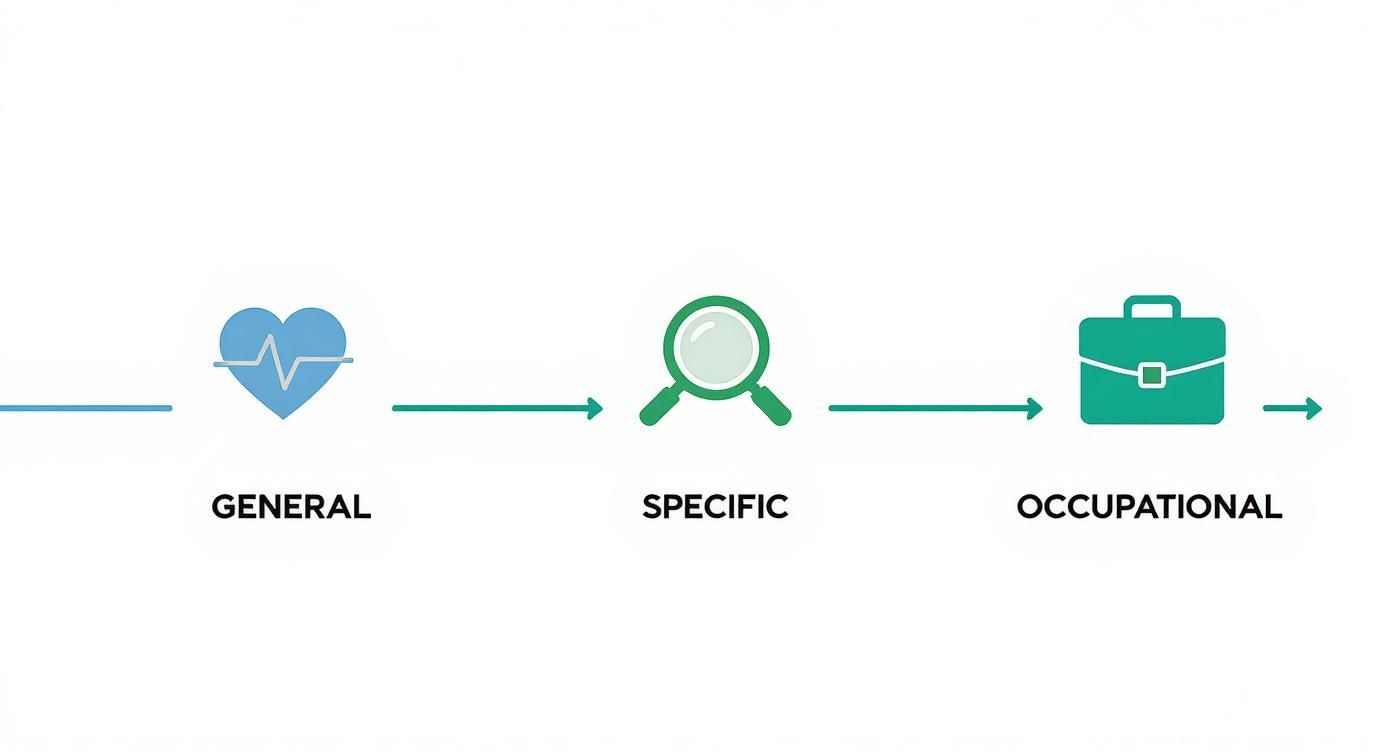
As you can see, the journey often starts with a broad look at your health and can lead to more focused tests and specific lifestyle advice as we learn more about what your body needs.
Your Twenties and Thirties: The Foundational Years
During these decades, the goal is to build a solid foundation for lifelong health and lock in good habits. For most, this is a time to monitor the basics and be aware of emerging patterns.
Simple lifestyle choices can have a huge impact here. Focus on a balanced diet rich in whole foods, fruits, and vegetables. Incorporate regular physical activity you enjoy—consistency is more important than intensity. Even a daily walk makes a real difference.
Essential checks to consider:
- Regular Blood Pressure Checks: A quick, painless check every few years is a brilliant way to monitor your cardiovascular health.
- Cervical Screening: In the UK, routine cervical screening typically begins at age 25 for women and people with a cervix.
- Sexual Health Screening: If you're sexually active, regular screens are a responsible part of looking after yourself and your partners.
Your Forties and Fifties: A Proactive Shift
This is often the stage where risks for conditions like type 2 diabetes and heart disease increase. The lifestyle choices from your younger years really begin to show their effects, making it the perfect time to reinforce healthy habits.
This is the ideal time to turn general awareness into specific action. Small, consistent lifestyle changes—like swapping sugary drinks for water or adding an extra portion of leafy greens to your meals—can have a powerful protective effect.
Screenings tend to become more targeted. Your GP might suggest more frequent blood pressure checks and introduce cholesterol and blood sugar tests. These provide the data needed to build a clearer picture of your metabolic health and offer personalised, scientifically-sound lifestyle advice that can genuinely improve your long-term wellness.
Your Sixties and Beyond: Staying Ahead
As you get older, preventative screenings become even more vital. The UK's national screening programmes are well-established for this age group, targeting common conditions where early detection drastically improves outcomes. Staying active with gentle exercises like walking or swimming can help maintain mobility and cardiovascular health.
Common screenings include:
- Bowel Cancer Screening: This typically starts from age 60 in England.
- Breast Screening: Regular mammograms are offered to women from age 50.
- Abdominal Aortic Aneurysm (AAA) Screening: A one-off scan is offered to men in their 65th year.
Common UK Screening Recommendations by Age
Here's a general guide to key health screenings often recommended for different age groups in the UK. Remember, this is a starting point and not a substitute for a conversation with your doctor about your personal health plan.
| Age Group | Recommended Screenings and Checks |
|---|---|
| 20s & 30s | Regular blood pressure checks, routine dental and eye exams. Cervical screening from age 25. Regular sexual health checks if sexually active. Self-checks for testicular and breast awareness. |
| 40s & 50s | Continued blood pressure and cervical screening. Introduction of cholesterol and type 2 diabetes risk assessments. NHS Health Check is offered. Breast cancer screening (mammograms) begins for women from age 50. |
| 60s & 70s | Bowel cancer screening programme starts. Abdominal Aortic Aneurysm (AAA) screening for men at 65. Continued breast screening. Checks for hearing and vision may become more frequent. |
| 70s+ | Continued bowel and breast screening up to certain ages. Emphasis on functional assessments, bone density scans (especially for women), and regular reviews of medication and overall health with a GP to maintain quality of life. |
Ultimately, your screening schedule should be a collaborative decision you make with your doctor. By discussing your personal health, family history, and lifestyle, you can create a plan that addresses your specific risks and empowers you to focus on living well.
What Tests Are Actually Involved in a Health Screening?
When you book a health screening, it’s natural to wonder what actually happens. Understanding the core tests demystifies the process, turning it from a clinical procedure into a source of incredibly valuable information about your body.
Let’s look at the most common and important tests you're likely to encounter. These are the foundations of any good health check, giving a clear snapshot of your cardiovascular and metabolic health.
Decoding Your Blood Pressure
One of the first checks is your blood pressure. This simple measurement is a crucial indicator of how hard your heart is working. The reading gives two numbers, like 120/80 mmHg. The top number (systolic pressure) measures the force as your heart beats; the bottom number (diastolic pressure) is the pressure when your heart rests between beats.
Consistently high readings are a warning sign that your arteries may be losing flexibility, forcing your heart to work overtime. This is a clear signal to implement positive lifestyle changes—such as reducing salt, managing stress through mindfulness or meditation, and increasing physical activity to ease the strain on your cardiovascular system.
Your Full Blood Count, Explained
A full blood count (FBC) is a comprehensive look at the cells in your blood, offering a wealth of information from a single sample.
- Red Blood Cells: These carry oxygen. Low levels could indicate anaemia, often explaining fatigue. A diet rich in iron (from sources like leafy greens and red meat) can help support healthy levels.
- White Blood Cells: Your immune system’s first responders. Unusual levels can be the first clue your body is fighting an infection.
- Platelets: These cells are essential for blood clotting.
You can think of an FBC as an internal census. It gives an accurate count of your body's cellular workforce, checking you have the right team in place to keep everything running smoothly.
This detailed picture allows for much more targeted health advice. If you're curious, our guide on a private blood test in the UK goes into more detail.
Understanding Cholesterol and Blood Sugar
A cholesterol panel (lipid profile) measures fats in your blood. It distinguishes between HDL ("good" cholesterol), which helps clear arteries, and LDL ("bad" cholesterol), which can cause blockages. High LDL is a risk factor for heart disease, but it’s often manageable through diet. Health Tip: Increase your intake of soluble fibre (found in oats, apples, and beans) and healthy fats (from avocados and nuts) to help manage LDL cholesterol.
Likewise, a blood sugar test measures glucose to check for diabetes risk. A high reading is a powerful motivator to reduce sugary foods and refined carbs and to increase physical activity, all of which helps your body use sugar more effectively.
It's not just about physical health, either. Some advanced screenings might also include cognitive assessments to evaluate memory and thinking skills, giving a more holistic view of your wellbeing.
Turning Your Screening Results into Action
Getting your screening report isn't the finish line; it’s the starting line for proactive health management. The data's real power comes from using it to build a healthier future. The next step is translating those figures into positive, sustainable lifestyle changes.
It starts with understanding that your results are a guide, not a judgement. A clinician will explain what each marker means for you, moving beyond generic 'normal ranges' to discuss what’s optimal for your health profile. This is your chance to ask questions and leave with a clear, actionable plan.
From Information to Implementation
The goal isn't a dramatic overhaul. It's about making small, smart adjustments that stick. Lasting change is built on consistency. For instance, if your cholesterol is a little high, the advice won't be to banish all fats, but to make clever swaps in your daily diet.
Your health screening results aren't a final verdict; they're a roadmap. They show you exactly where you are and provide the medically-sound directions you need to get where you want to be.
Let’s look at a few practical, evidence-based starting points:
- Dietary Tweaks: Focus on one small change at a time. This could be switching from butter to olive oil, adding high-fibre berries to your breakfast, or eating oily fish twice a week for its heart-healthy omega-3 fatty acids. These small steps add up to significant long-term benefits.
- Movement as Medicine: If your blood pressure is creeping up, aim for a brisk 30-minute walk five days a week. This simple habit can make a huge difference to your cardiovascular health. The key is finding an activity you enjoy, so it becomes a natural part of your routine.
- Stress Management: High cortisol levels can impact everything from sleep to blood sugar. Simple, scientifically-backed techniques like a five-minute deep breathing exercise or spending time in nature can have a powerful effect on stress levels and overall wellbeing.
Creating Your Personalised Health Plan
Working with your doctor, you can transform these ideas into a concrete action plan. Your screening results provide the 'why', and your plan gives you the 'how'. It’s all about creating a strategy that feels achievable.
For example, if results show blood sugar on the higher side of normal, your plan might involve specific goals like cutting back on refined carbs and aiming for a higher daily step count. By focusing on these targeted actions, you’re not just vaguely 'trying to be healthier'—you're actively working on the specific risks your screening uncovered. This targeted, evidence-based approach is key to turning results into real, lasting improvements.
The Lagom Clinic Difference: Why Choose a Personalised Health Screening?
While national screening programmes are excellent, they are designed to cover the basics for the entire population. A private, personalised screening goes deeper. It’s not a one-size-fits-all checklist; it's about crafting a health strategy built around you—your unique biology, your lifestyle, and your specific health concerns.
One immediate benefit is getting seen faster and on your own terms. You can book an appointment that works for your life, bypassing long waiting lists. This means you get results quickly, allowing you to move from concern to action without delay.
Gaining Deeper Insight Into Your Health
This is where a personalised approach truly shines. You get access to a much wider range of tests than typically offered as standard. This allows us to build a more detailed picture of your health, looking at specific markers that can provide early warnings on everything from metabolic health to cardiovascular risk.
A personalised health screening isn't just about gathering data; it's about connecting the dots. We provide a clear, actionable plan that empowers you to take control of your long-term wellness with genuine confidence.
Ultimately, you walk away with more than a report full of numbers. You get dedicated time with an experienced clinician to talk through what your results mean for your life. We translate the science into a practical roadmap, giving you clear, evidence-based advice on how to optimise your diet, fitness, and overall well-being. This focused support gives you both the peace of mind and the right tools to proactively manage your health for years to come.
Got Questions About Health Screenings? We’ve Got Answers
It’s completely normal to have questions about health screenings. Getting clear on common queries can help you feel more confident and in control of your health.
Will a Health Screening Hurt?
For most people, the experience is comfortable. The majority of tests are completely painless – like having your blood pressure checked or giving a urine sample.
Even the blood test is over in a flash. You might feel a quick, sharp scratch when the needle goes in, but that's it. Our clinical team are experts at making it as swift and easy as possible.
How Often Should I Be Checked?
This is a great question with no single answer. The right frequency depends on your age, current health, family medical history, and past screening results. A younger person with no risk factors might need checks less frequently than an older individual with a family history of heart disease.
The best way forward is to chat with a doctor to map out a scientifically-sound schedule built just for you. This ensures your screening plan is genuinely personal and effective, not just a tick-box exercise.
It’s all about creating a proactive health plan that truly fits your life.
What Happens if the Screening Finds Something?
It's natural to feel anxious, but try to reframe this. An unusual result isn't a final diagnosis; it's an early signal and an opportunity to take positive action.
Think of it as the first step towards improving your health. It gives you and your doctor a chance to look closer, make targeted and effective lifestyle changes, or start treatment at the earliest, most effective stage. It’s about getting ahead of the curve and taking charge of your health story.
Ready to take the first step and get a clearer picture of your health? At The Lagom Clinic, we specialise in personalised health screenings designed around you. Book your consultation today and let's build your plan for long-term wellbeing together.


 Members Consultation