


Weight loss injections such as Mounjaro and Wegovy have changed how many people manage their weight. But at some point, most people ask the same question: what happens when I stop?
Perhaps you’ve reached your weight loss goal, you’re worried about the cost of injections, or you’re struggling with side effects. Whatever the reason, it’s important to know what to expect before you make any changes.
In this guide, we’ll explain what weight loss injections are, how Mounjaro and Wegovy differ, and what research says about stopping treatment.
What Are Weight Loss Injections?
Weight loss injections are prescription medications that are self-injected to help you lose weight. They mimic GLP-1, a hormone that your body releases after eating.
GLP-1 medications were first developed to treat type 2 diabetes but have become commonly associated with losing weight, as they slow digestion, lower appetite and make you feel fuller.
Currently, there are three weight loss injections available on prescription in the UK:
- Wegovy (semaglutide)
- Mounjaro (tirzepatide)
- Saxenda (liraglutide)
An estimated 1.6 million adults in Great Britain used weight loss drugs such as Wegovy and Mounjaro between early 2024 and early 2025, according to a UCL study published in BMC Medicine.
Combined with professional nutrition and lifestyle advice, weight-loss injections can be extremely effective in helping you lose weight and improve your general health. With expert guidance, they can also help you maintain your results after treatment.
Discover why seeing a private GP is the first step towards successful weight loss.
The Difference Between Mounjaro and Wegovy
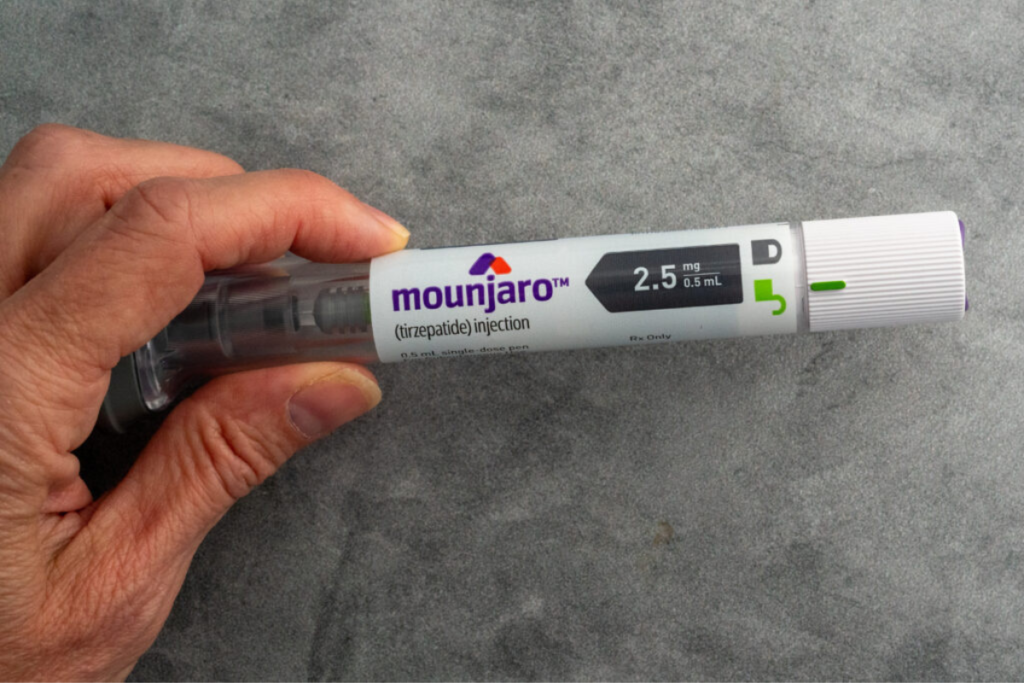
At The Lagom Clinic, we offer two injections as part of our weight loss treatment: Mounjaro (tirzepatide) and Wegovy (semaglutide).
Both have their advantages and disadvantages, which is why it’s so important to get them on prescription, with advice and guidance from a GP, rather than going it alone.
We’ve outlined the key differences below:
| Mounjaro | Wegovy | |
|---|---|---|
| Active ingredient | Tirzepatide | Semaglutide |
| How often | Once a week | Once a week |
| How it works | Copies two hormones (GLP-1 and GIP) | Copies one hormone (GLP-1) |
| Average weight loss in a head-to-head trial | 20.2% of body weight over 72 weeks | 13.7% of body weight over 72 weeks |
| Common side effects | Nausea, diarrhoea, constipation, stomach pain | Nausea, diarrhoea, constipation, stomach pain |
| Other uses | Also used to treat type 2 diabetes | Approved to lower heart attack and stroke risk in people with heart disease and excess weight. Also sold as Ozempic for type 2 diabetes |
| Available at The Lagom Clinic | Yes | Yes |
The most important thing to remember is that weight loss injections are not a “quick fix”. However, with the right support and a long-term plan in place, they can help you make meaningful progress.
If you’d like to explore your weight loss options, book an appointment with one of our doctors. We’ll assess your health and lifestyle and create a plan tailored to you and your goals.
What Happens When You Stop Weight Loss Injections
When you stop weight loss injections, a few different things can happen, and the effects vary from person to person. That’s why it’s important to understand how they could affect you before, during and after treatment.
Let’s explore some of the most common effects of stopping weight loss injections.
1. Your Appetite Returns
When you stop weight loss injections or medication, you’ll often find that your appetite returns to normal. Some people say they also start eating more and then regain the weight they have lost.
This is because these medications work by reducing your appetite and helping you feel fuller for longer, so when you stop taking them, your appetite comes back.
That’s why it’s important not to rely solely on injections and to build healthy habits during your treatment that will help you manage your weight long-term.
2. Weight Is Often Regained
It may not come as a surprise, but putting weight back on after stopping weight loss injections is very common.
A University of Oxford review of 37 studies, involving 9,341 adults, found that weight went up by an average of 0.4kg a month after the medicines were stopped. For newer medicines such as semaglutide (Wegovy) and tirzepatide (Mounjaro), regain was faster, at around 0.8kg a month.
Based on this, the researchers estimated people would return to their starting weight after roughly 1.5 years. However, there is still limited data on what happens more than 12 months after stopping these newer medicines.
The research also found that weight came back faster after stopping medication than after finishing a diet or exercise programme, by about 0.3kg a month, regardless of how much weight people had lost.
3. Health Benefits Can Reverse
Weight loss medications have been shown to improve several heart health risk factors, including high blood pressure and high cholesterol. However, as you might expect, these benefits can reverse when you pause or stop taking them.
The same Oxford review, published in The BMJ, predicted that weight and risk markers for diabetes and heart disease would return to pre-treatment levels in less than two years.
That’s why it’s important to speak to your doctor before stopping treatment, especially if you have heart disease or diabetes.
Why This Happens
Once the medication stops, the effects it was having on your appetite, weight and health markers gradually wear off.
And those who don’t have a plan in place often forget that they need ongoing support or a plan to maintain that consistency, as a lot of people think it can be fixed with a single course of treatment.
This is where a private GP can help. At The Lagom Clinic, we’ll regularly review your progress, help manage any side effects and adjust your plan accordingly.
You’ll also receive personalised nutrition and lifestyle advice to help you build habits that last, both during treatment and when you’re ready to stop.

Weight Loss Treatments At The Lagom Clinic
If you’re thinking about stopping your weight loss injections or changing your dose, it’s essential to speak to your doctor first. They can advise you on how to do this safely, whether that’s reducing your dose gradually or arranging regular check-ins after treatment to monitor your progress.
If you’re considering weight loss treatment, we offer an initial consultation, either online or face-to-face. We’ll assess your health and lifestyle, talk you through the options that may suit you, including tablets as an alternative to injections, and create a personal plan alongside tailored nutrition and lifestyle advice.
Follow-up appointments by phone or online are free, and we’ll continue to support you if you decide to stop treatment.
Book an appointment or call us on 0117 987 2075 today to start your weight-loss journey.


 Members Consultation