


Think of chronic inflammation as your body's defence system being permanently stuck on high alert. It's a low-level, persistent state of emergency, often fuelled by lifestyle factors like diet and stress, or underlying issues like old infections. Over time, this constant state can silently damage tissues and pave the way for long-term health problems. This guide will walk you through what causes chronic inflammation and, most importantly, the practical lifestyle changes you can make to manage it.
Understanding Your Body's Silent Alarm System

Imagine a smoke alarm that just won't switch off, even though there’s no fire. That constant, nagging siren is a pretty good way to picture chronic inflammation—a continuous, low-grade emergency call happening inside your body. It's a world away from its more helpful cousin, acute inflammation.
Acute inflammation is the body's quick, intense reaction to an injury. Think about the swelling and redness you see around a cut. That’s your immune system rushing to the scene to repair the damage. It's a vital part of healing. Once the job is done, the alarm goes off.
When the Alarm Stays On
With chronic inflammation, however, that alarm system malfunctions and never gets the "all-clear" signal. The immune response just keeps simmering away in the background, often without an obvious injury or illness to fight. This sustained state of alert can be triggered by a whole host of things that throw your body off balance.
Some of the main culprits behind chronic inflammation include:
- Persistent Infections: Infections that the body never completely gets rid of can keep the immune system permanently engaged.
- Environmental Exposure: Being regularly exposed to irritants like pollution or industrial chemicals can act as a constant trigger.
- Lifestyle Habits: A poor diet, a sedentary lifestyle, and ongoing stress are massive contributors that you have the power to change.
Health Tip: A simple first step is to assess your daily habits. Are you consistently choosing whole foods, moving your body, and managing stress? Small, conscious shifts in these areas are the foundation of reducing inflammation.
A Widespread but Hidden Issue
The real danger of chronic inflammation is that it's often invisible. It can bubble away for years without any obvious symptoms, quietly causing damage behind the scenes. In fact, some projections suggest that over 40% of the UK population is currently living with this kind of chronic, low-grade inflammation. That's more than two in five people.
This widespread issue is a major contributor to conditions like heart disease and diabetes, which really highlights the need for proactive lifestyle changes. To get a better sense of the scale of this health challenge, you can read more about the findings on the UK's silent inflammation crisis.
By getting to grips with what causes chronic inflammation, you can start taking meaningful steps to turn off that internal alarm and protect your health for the future.
How Your Diet Can Fuel the Inflammatory Fire
What you put on your plate can be one of two things: a powerful tool to calm inflammation or a trigger that stokes the fire. While plenty of factors contribute to chronic inflammation, the food you eat every day plays a leading role in either dampening the flames or fanning them into a much bigger problem. Adopting an anti-inflammatory eating pattern is one of the most effective lifestyle changes you can make.
Think of your body as a finely tuned engine. If you fill it with the wrong fuel—like ultra-processed foods, sugary drinks, and unhealthy fats—it starts to sputter and produce damaging exhaust. In your body, this "exhaust" is an inflammatory response, kicked off by compounds your immune system flags as a threat.
The Usual Suspects on Your Plate
Some foods are notorious for promoting inflammation. When they become staples in your diet, they keep your immune system on a constant, low-level alert.
Here are the main culprits:
- Refined Carbohydrates: Things like white bread, pastries, and sugary cereals break down into sugar almost instantly. This causes blood sugar spikes that your body responds to with an inflammatory reaction.
- Sugary Drinks and Sweets: A high sugar intake tells your body to pump out more pro-inflammatory messengers called cytokines, effectively keeping the immune system on high alert.
- Processed and Fried Foods: These are often loaded with unhealthy trans fats and compounds called advanced glycation end products (AGEs), which are potent inflammation-drivers formed during high-temperature cooking.
- Too Many Omega-6 Fats: We do need some omega-6 fats, but modern diets often contain far too many from oils like corn, safflower, and sunflower oil. This throws off the delicate balance with anti-inflammatory omega-3s.
Health Tip: Making conscious food swaps is one of the most effective ways to take back control of your body's inflammatory levels. Start by choosing one inflammatory food you eat regularly and replacing it with a healthier alternative. Consistency is key.
This infographic helps visualise how a constant trigger, like a pro-inflammatory diet, can push the body from a normal, healing response into a state of chronic, damaging inflammation.
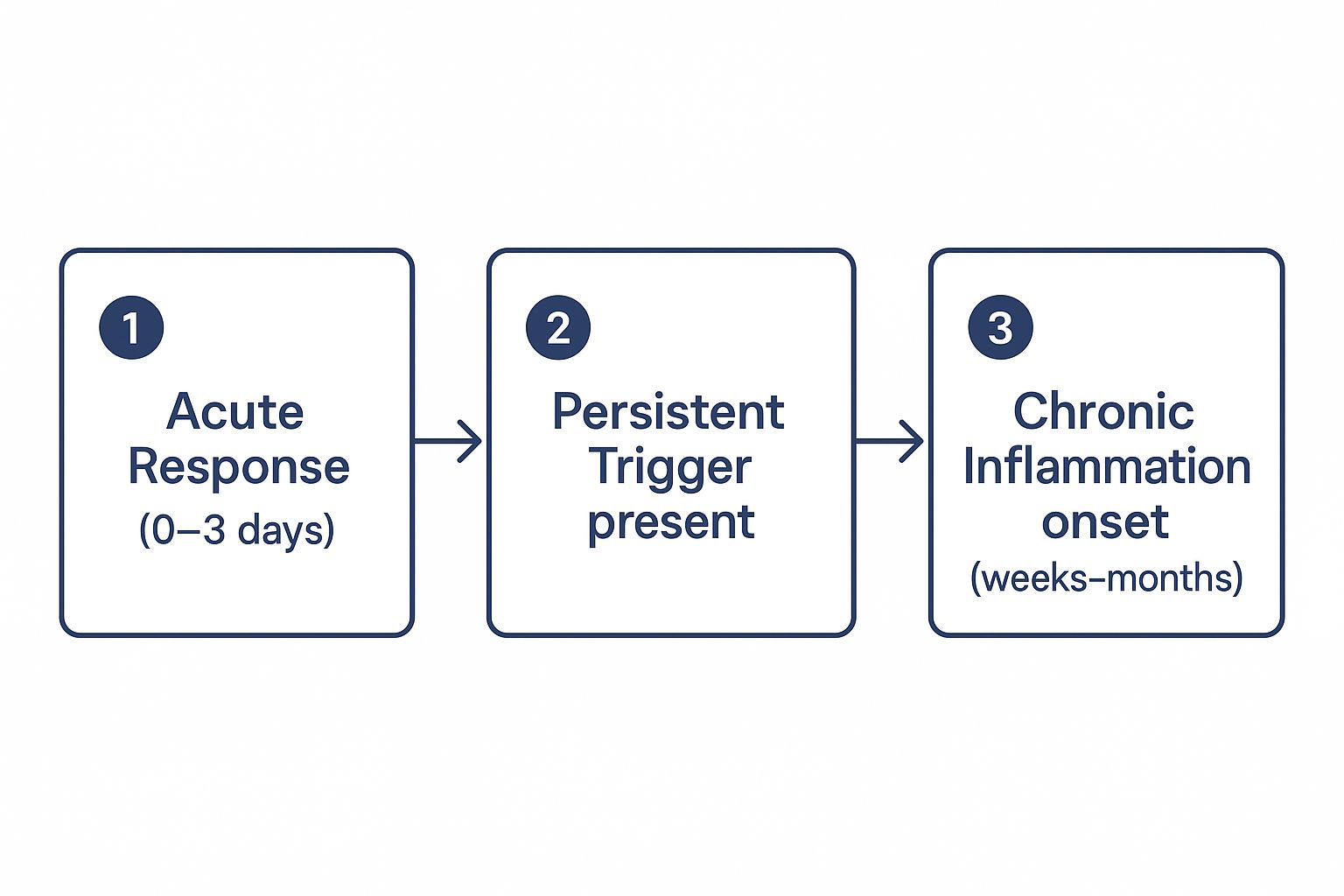
As you can see, chronic inflammation isn’t something that happens overnight. It’s the slow-burning result of an unresolved problem that keeps your body’s alarm bells ringing for weeks, months, or even years.
Simple Food Swaps to Reduce Inflammation
Making healthier choices doesn't have to be complicated. Small, consistent swaps can make a huge difference over time by reducing the inflammatory load from your diet. Here are some simple substitutions to get you started.
| Foods That May Promote Inflammation | Anti-Inflammatory Alternatives |
|---|---|
| White bread, white rice, pasta | Wholegrain bread, brown rice, quinoa, oats |
| Sugary cereals and breakfast bars | Porridge with berries, plain Greek yoghurt |
| Crisps and processed snacks | A handful of nuts, seeds, or an apple |
| Sugary drinks and fizzy pop | Water, herbal tea, green tea |
| Processed meats (sausages, bacon) | Oily fish (salmon, mackerel), chicken, lentils |
| Margarine and processed vegetable oils | Olive oil, avocado oil, avocados |
| Sweets, cakes, and biscuits | Dark chocolate (70% cocoa or higher), fresh fruit |
By focusing on adding more of the foods in the right-hand column, you naturally start to crowd out the more problematic ones.
Building an Anti-Inflammatory Plate
The good news is that you have immense power to fight back with your fork. An anti-inflammatory diet is all about whole, nutrient-dense foods packed with the vitamins, minerals, and antioxidants your body needs to properly regulate its immune response and cool things down.
These foods don't just avoid causing trouble; they actively protect your body. For example, omega-3 fatty acids, found in oily fish like salmon and mackerel, get converted into compounds that literally resolve inflammation. Similarly, the vibrant colours in fruits and vegetables—like the deep red lycopene in tomatoes or the rich purple anthocyanins in berries—come from powerful antioxidants that neutralise cellular damage.
To dig deeper into the impact of certain foods, have a look at our guide explaining why ultra-processed food is so bad for us. It sheds more light on how these products disrupt your body's natural balance. With a few simple, steady changes, you can turn your diet from a source of inflammation into a cornerstone of your health and wellbeing.
Lifestyle Habits That Fan the Inflammatory Flames

While your diet is a huge player in the inflammation game, it’s not the only one on the team. The habits you live by every day—how you handle stress, how well you sleep, and whether you move your body—are just as critical. These lifestyle factors can either help douse the inflammatory flames or pour petrol on them.
Think of your body's stress response like a car's accelerator. When you're faced with a real threat, your body floors it, pumping out hormones like cortisol to get you ready for action. The problem is, in our modern world, the constant pressure from work, money worries, and just daily life keeps that pedal permanently pushed down. Your body gets stuck in high gear.
When you're in a constant state of high alert, cortisol levels stay elevated. This messes with your immune system's normal rhythm and kicks off a cycle of persistent, low-grade inflammation. Learning how to take your foot off the accelerator is vital. For some practical ideas, our guide on how to reduce workplace stress is a brilliant place to start.
The Sleep-Inflammation Connection
Just as important as managing your days is what happens when you turn out the lights. Sleep isn't just rest; it's your body's dedicated maintenance shift. When you don't get enough quality sleep, this essential repair work gets sidelined, and your immune system feels the pinch.
Poor sleep triggers a spike in inflammatory messengers, called cytokines, which then circulate through your system. Over time, this makes your body far more prone to inflammation.
Health Tip: Aim for 7-9 hours of quality sleep per night. Establish a relaxing bedtime routine, avoid screens an hour before bed, and ensure your bedroom is dark and cool to improve sleep quality and reduce inflammation.
Chronic inflammation is fast becoming a major public health concern. It's a foundational trigger for numerous modern diseases, creating not just a health crisis but a significant economic challenge for the NHS and society.
Some recent projections show just how big this is getting. It's estimated that by 2025, over 60% of adults in the UK will be living with undiagnosed chronic systemic inflammation. The lifetime cost burden for just one person dealing with this is thought to be over £4.2 million, factoring in healthcare, lost productivity, and a reduced quality of life. These numbers really drive home why we need to get a handle on the lifestyle factors fuelling this problem. You can learn more about the UK's chronic inflammation epidemic and its wider impact here.
Movement as Medicine
Finally, let's talk about one of the most powerful anti-inflammatory tools you have: physical activity. Gentle, consistent movement has a profoundly calming effect on the body and is a key lifestyle change for managing inflammation.
Exercise helps on multiple fronts:
- It Lowers Inflammatory Markers: Regular activity directly reduces levels of key troublemakers like C-reactive protein (CRP).
- It Improves Circulation: Better blood flow means more oxygen and nutrients get to your tissues, while inflammatory waste products get cleared out more efficiently.
- It Activates Your 'Rest and Digest' System: Even gentle movement like a brisk walk or yoga can activate the parasympathetic nervous system, which helps calm your body and lower stress hormones.
By weaving achievable strategies for stress, sleep, and movement into your daily life, you can actively turn down the dial on inflammation and build a much stronger foundation for your long-term health.
Uncovering Hidden Environmental Triggers
It’s not just about what you eat or how much you move. Beyond the obvious lifestyle factors, your environment is filled with subtle triggers that can quietly fan the flames of chronic inflammation. These are the things you might encounter every day, often without a second thought, that keep your body’s internal alarm system on high alert.
Everyday pollutants and chemicals, whether in the air we breathe or the products we use, can act as constant, low-level irritants. Think about traffic fumes, pesticides on our food, or even certain compounds found in household cleaners and plastics. Your immune system sees these as foreign invaders, and this constant, subtle exposure can keep your inflammatory response simmering away in the background.
The Gut Connection: A Critical Link
One of the most powerful, yet often overlooked, environmental influences is what happens inside your gut. It’s home to trillions of microbes—your gut microbiome—which you can picture as a bustling internal ecosystem. When this community is healthy and diverse, it’s one of your immune system’s greatest allies.
But things like a processed diet, chronic stress, or exposure to environmental toxins can throw this delicate ecosystem out of balance. This can lead to what’s often called 'leaky gut', or more technically, increased intestinal permeability. Imagine the lining of your gut is a tightly-woven security fence. When it gets damaged, tiny gaps can appear, allowing undigested food particles, toxins, and microbes to slip into your bloodstream.
Naturally, your immune system spots these intruders and launches an inflammatory attack. If the gut barrier isn't repaired, this process becomes a relentless cycle, fuelling a state of low-grade, body-wide inflammation.
Health Tip: Nurturing your gut health is fundamental to managing chronic inflammation. Aim to eat a diverse range of plant-based foods (30+ different types a week is a great goal) to feed beneficial gut bacteria and strengthen your gut lining.
Silent Infections Fuelling the Fire
Another hidden driver of inflammation is persistent, low-grade infections that your body never quite stamps out. These aren't the kind of infections that leave you bedridden; they're more like embers that smoulder for years, constantly poking at your immune system.
A perfect example of this is gum disease (periodontitis). The bacteria causing the problem don't just stay in your mouth. They can slip into the bloodstream and travel around the body, carrying inflammatory signals with them and contributing to trouble in places like your cardiovascular system.
Here are some practical lifestyle changes to address these hidden triggers:
- Minimise Toxin Exposure: Try switching to natural cleaning products, using a water filter, and buying organic produce when you can. Every little reduction in your chemical load helps.
- Support Your Gut: A diet packed with fibre from a wide variety of fruits, vegetables, and whole grains is the best way to feed your friendly gut microbes. Probiotic-rich foods like live yoghurt and kimchi can also lend a hand.
- Prioritise Oral Hygiene: Don't underestimate the power of regular brushing, flossing, and dental check-ups. It's not just about your teeth; it's about preventing low-grade infections that have whole-body consequences.
By becoming more mindful of these less obvious environmental factors, you can start to take meaningful steps to reduce your inflammatory burden and support your body’s ability to find its balance.
The Long-Term Impact of Chronic Inflammation

Think of persistent, low-level inflammation as a slow, silent erosion. It’s like a tap left to drip constantly on a stone floor; over months and years, what seems like a minor issue can cause serious, lasting damage. This constant state of high alert is the common thread tying together many of today's most significant chronic health conditions.
When your body stays stuck in this inflammatory mode, your immune cells can get confused and start targeting your own healthy tissues. This is a crucial turning point where inflammation stops being a helpful friend and becomes a long-term foe, paving the way for a host of major health problems.
The Connection To Major Health Conditions
Chronic inflammation is like the fertile soil from which many different diseases can sprout. Its effects ripple throughout the entire body, dramatically increasing the risk of developing a whole spectrum of serious conditions.
Just a few of the major players include:
- Heart Disease: Inflammation is a key driver of atherosclerosis—the buildup of fatty plaques in your arteries—which can eventually lead to heart attacks and strokes.
- Type 2 Diabetes: It can disrupt the way your body responds to insulin, leading to insulin resistance and dangerously high blood sugar levels.
- Autoimmune Disorders: Conditions like rheumatoid arthritis and lupus are classic examples where the immune system, fuelled by inflammation, wages a war against the body's own cells.
- Neurodegenerative Diseases: A growing body of research now links chronic inflammation in the brain to debilitating conditions like Alzheimer's and Parkinson's disease.
It’s not just about what you eat or how much you exercise, either. Hidden environmental triggers in our own homes can quietly stoke the flames of inflammation. Learning about understanding indoor air quality for healthier homes is a fantastic starting point for tackling these invisible threats.
The Surprising Link To Mental Health
One of the most profound and often overlooked connections is the one between chronic inflammation and our mental state. The brain isn't an isolated fortress. Inflammatory molecules circulating in your blood can cross the protective blood-brain barrier, directly influencing brain chemistry and, in turn, your mood and cognitive function.
This biological pathway helps explain why conditions like depression and anxiety so frequently go hand-in-hand with physical inflammatory diseases.
A landmark UK study recently confirmed this powerful link, finding that people with chronic inflammatory or autoimmune conditions face a substantially higher risk of developing mental health issues. It shines a bright light on the critical intersection between physical and mental wellbeing.
The numbers from this study are stark. Involving over 1.5 million volunteers, it found that 28.8% of people with inflammatory conditions also reported affective disorders like depression or anxiety. That’s a massive jump compared to just 17.9% in the general population—almost double the risk.
Grasping these deep connections makes it crystal clear just how vital it is to get a handle on inflammation. By making proactive lifestyle changes—through your diet, movement, and stress management—you’re doing more than just protecting your body. You're actively safeguarding your mental and emotional health for the long haul.
Your Action Plan for an Anti-Inflammatory Lifestyle
Tackling chronic inflammation isn't about a massive overhaul overnight. It’s about making small, deliberate choices that add up to powerful, health-giving habits. Think of this as your practical roadmap to turning down your body's internal alarm system. The plan rests on a few simple pillars: what you eat, how you move, and how well you rest.
Let's start with your diet, which is truly your first line of defence. Instead of focusing on what you need to cut out, try shifting your mindset to what you can add in. This approach feels far more positive and is much easier to stick with long-term. The goal is simple: bring more colourful plants and healthy fats onto your plate every single day.
Building Your Anti-Inflammatory Shopping List
Walking into the supermarket can feel overwhelming, but you can empower yourself by knowing exactly what to look for. The aim is to fill your trolley with whole, nutrient-packed foods that help your body find its natural balance and fight off inflammation.
Here are a few powerhouse items to get you started:
- Oily Fish: Think salmon, mackerel, and sardines. They are absolutely loaded with omega-3 fatty acids, which are some of the most potent anti-inflammatory compounds you can eat.
- Leafy Greens: Spinach, kale, and chard are bursting with antioxidants and vitamins that act like bodyguards for your cells, protecting them from damage.
- Berries: Blueberries, strawberries, and raspberries get their vibrant colours from antioxidants called anthocyanins, which have been proven to help lower inflammation.
- Nuts and Seeds: Almonds, walnuts, and chia seeds are fantastic sources of healthy fats and fibre, doing double duty for your heart and your gut health.
- Spices: Turmeric and ginger are famous for a reason. Their powerful anti-inflammatory properties make them a great addition to curries, soups, and even your morning smoothie.
Beyond the Plate: Movement, Sleep, and Stress
While what you eat is foundational, it’s only part of the story. Your daily habits play an equally crucial role in your anti-inflammatory lifestyle.
- Move Your Body Regularly: Aim for at least 30 minutes of moderate activity, like a brisk walk, most days of the week. Consistency is more important than intensity.
- Prioritise Quality Sleep: Create a consistent sleep schedule, even on weekends. Make your bedroom a sanctuary for rest—cool, dark, and quiet.
- Actively Manage Stress: Incorporate a daily stress-reducing practice. This could be 5 minutes of deep breathing, meditation, yoga, or spending time in nature. Find what works for you and make it a non-negotiable part of your day.
As you begin to build these habits, this comprehensive guide on how to reduce chronic inflammation can be a fantastic resource for more in-depth strategies. Remember, consistency with these small changes is what truly creates a lasting impact on your health and wellbeing.
Your Questions About Chronic Inflammation Answered
Let's clear up some of the most common questions people have about chronic inflammation. Here are some straightforward, medically-sound answers to help you understand what's really going on in your body.
Can You Actually Feel Chronic Inflammation?
This is a great question. Unlike the sharp, immediate pain of a sprained ankle, chronic inflammation is much more subtle. It's often described as ‘silent’ because you don’t feel it in the same way you’d feel an injury.
Instead, it shows up as a collection of persistent, nagging symptoms that are all too easy to brush off. Common signs include constant fatigue you can't shake, brain fog that clouds your thinking, mysterious body aches, or ongoing digestive troubles. It’s the hidden driver behind these feelings, not a distinct sensation you can pinpoint. If these symptoms sound familiar, it's wise to speak with a healthcare professional.
How Long Does It Take to Reduce Inflammation?
There's no one-size-fits-all answer here, as it really comes down to your unique body, genetics, and lifestyle. The journey is different for everyone.
However, many people start to feel a real difference—more energy, clearer thinking, fewer aches—within just a few weeks of making consistent, positive lifestyle changes. Blood tests for inflammatory markers, like hs-CRP, can often show significant improvements within three to six months of dedicated effort.
Health Tip: The key isn't a quick fix, but creating sustainable habits. Focus on long-term management where consistency beats perfection every single time. Start small, build momentum, and be patient with your body.
Are There Specific Tests for Chronic Inflammation?
Yes, absolutely. A healthcare provider can run some simple blood tests to get a clear picture of your body's inflammatory state.
The most common and useful one is the high-sensitivity C-reactive protein (hs-CRP) test. This measures a specific protein your liver produces in response to inflammation, giving a good indication of your baseline levels. Other helpful tests include the ESR (erythrocyte sedimentation rate) and fibrinogen. The best first step is always to chat with your GP to discuss your symptoms and see if testing is right for you.
At The Lagom Clinic, we’re dedicated to getting to the root cause of symptoms like persistent inflammation, not just managing them. If you’re ready to move from simply feeling ‘fine’ to feeling fantastic, we can help. Find out more about our private GP services in Bristol.


 Members Consultation