What Is Musculoskeletal Physiotherapy and How Can It Help?
In a recent report by Arthritis UK, they found that over 20.8 million people in the UK live with an MSK condition. This is typically characterised by pain and limitations in mobility and dexterity, including conditions such as arthritis, back and neck pain, and fibromyalgia, as well as other musculoskeletal conditions such as osteoporosis, which may be painless.
If you’ve recently had an injury, are recovering from surgery, or are living with a long-term health condition that affects how you move, or even persistent aches and pains that won’t shift, you may benefit from musculoskeletal (MSK) physiotherapy.
In this guide, we take a closer look at MSK physiotherapy: what it is, who it’s for, and how it can help with managing and relieving pain.
Musculoskeletal physiotherapy focuses on diagnosing and treating anything that affects your muscles, bones, joints, and soft tissue.
What Does Musculoskeletal (MSK) Physiotherapy Mean?
Daily life, old injuries, or even just how you sit at your desk can cause parts of your body to become stiff, weak, or out of sync, which is where musculoskeletal physiotherapy comes in.
Musculoskeletal physiotherapy is a specific form of healthcare that focuses on diagnosing and treating anything that affects your muscles, bones, joints, and soft tissue. It not only helps with finding the root cause of the problem, but also helps get everything up and running again.
An MSK physiotherapist will look into your specific lifestyle, habits, and what you want to achieve. This patient-focused approach is key to achieving lasting relief and genuine physical wellbeing.
What Are the Benefits of Musculoskeletal Physiotherapy?
The impact of good physiotherapy goes much deeper than just easing your aches and pains. One of the first things you’ll notice is a real improvement in your mobility and function.
When you’re in pain, you often start moving differently to compensate, but this can create a nasty cycle of stiffness and further discomfort. Physiotherapy works to break that cycle, restoring how your joints and muscles are meant to work so you can move freely and with confidence again.
A huge, often forgotten, benefit is just how powerful physiotherapy is for injury prevention. We don’t just patch up the immediate problem; we look at the whole picture and strengthen the entire system supporting the injured area. This process builds a more robust and resilient body, one that’s far less likely to suffer from future strains and sprains.
Musculoskeletal Conditions Physiotherapy Can Treat
You don’t need to be a professional athlete or have had a major accident to benefit from musculoskeletal physiotherapy. Far from it. This field is all about tackling the everyday aches, pains, and injuries that get in the way of life – from a dull ache in your lower back to a shoulder that just won’t cooperate anymore.
Put simply, if you’re dealing with pain, stiffness, or weakness anywhere in your body’s movement system, an MSK physio is the expert you need to see. They work with people from all walks of life, helping them get back to feeling and moving their best.
These issues are more common than you might think. In fact, musculoskeletal health conditions are a leading cause of pain and disability across England, affecting everything from public health to productivity at work.
Let’s explore some of the different types of MSK conditions.
Osteoarthritis
Rheumatoid arthritis
Fibromyalgia
Gout
Psoriatic arthritis
Ankylosing Spondylitis
Many common complaints are also born from our daily habits. Think about it: long hours hunched over a desk can easily lead to neck pain, tension headaches, and that all-too-familiar nagging lower back ache.
Musculoskeletal conditions can also be found in athletes. We see a whole range of sports-related issues, including:
Ligament Sprains
Muscle Strains
Tendonitis
There are several ways to help manage and relieve pain from musculoskeletal conditions at home.
At-Home Tips for Managing Musculoskeletal Conditions
Living with the daily reality of chronic pain from conditions like osteoarthritis or fibromyalgia is incredibly tough. Musculoskeletal physiotherapy plays a vital role here, not as a cure, but as a way to manage symptoms, improve how you function, and boost your quality of life.
For these long-term conditions, the approach often combines gentle joint mobilisation, practical pain-relief strategies, and a carefully designed exercise programme. The ultimate aim is to empower you with the knowledge and tools to manage your own health, stay independent, and keep doing the things you love.
A key piece of advice is to find a low-impact activity you enjoy, like swimming or cycling, to keep your joints mobile without overloading them.
Lifestyle Changes That Amplify Your Recovery
Real, lasting recovery happens in the hours between your appointments, built on the small, consistent choices you make every day. When you become an active partner in your own healing, you can dramatically speed up your progress and build a stronger, more resilient body for the future.
1. Set Up Your Environment for Success
Your daily surroundings, especially where you work, can either help or hinder your recovery. It’s no secret that poor ergonomics are a major culprit behind the very back, neck, and shoulder pain that brings people through our doors in the first place.
Health Tip: Making simple, practical changes can make a world of difference. Adjust your chair so your feet rest flat on the floor with your knees at a 90-degree angle. Position your monitor at eye level to stop you from craning your neck forward. These small tweaks seem minor, but they significantly reduce the constant, low-grade stress on your system, giving your body a fighting chance to repair itself.
Your sleep setup is just as important. Your body does the bulk of its repair work overnight, so your posture matters even when you’re resting. A supportive mattress and the right pillow for your sleep style can stop you from waking up stiff and sore, ensuring you get the full restorative benefits of a good night’s sleep.
2. Fuel Your Body for Healing
Nutrition is a powerful, yet often overlooked, tool in managing musculoskeletal health. What you eat has a direct impact on your body’s inflammation levels—a key driver behind many pain conditions.
Making a conscious effort to include anti-inflammatory foods can be a game-changer. Some of the best choices include:
Oily Fish: Salmon and mackerel are packed with omega-3 fatty acids, which are fantastic for calming inflammation.
Leafy Greens: Think spinach and kale, both loaded with antioxidants that fight cellular stress.
Berries and Nuts: These are brilliant sources of the vitamins and minerals your body needs for tissue repair.
And don’t forget the basics: staying hydrated is fundamental. Water is vital for healthy joint cartilage and proper muscle function. If you want to dive deeper into this, our guide on how to improve joint health is a great place to start.
3. The Power of Proactive Movement
Alongside your prescribed exercises, embracing mindful movement like gentle walking, stretching, or yoga can work wonders. These activities not only improve mobility but also help manage stress, which is directly linked to physical tension and how we perceive pain.
Making these small adjustments might not feel dramatic, but they add up. The table below shows how simple swaps can support your recovery and build healthier long-term habits.
Area of Focus
Common Habit
Healthier Alternative
Desk Setup
Slouching over a laptop for hours.
Creating an ergonomic workspace with your screen at eye level and feet flat on the floor.
Movement
Staying sedentary for long periods.
Taking short, 5-minute movement breaks every hour to stretch and walk around.
Nutrition
Reaching for processed, sugary snacks.
Choosing anti-inflammatory options like a handful of nuts, berries, or a piece of fruit.
Hydration
Drinking mostly coffee or sugary drinks.
Keeping a water bottle on your desk and sipping consistently throughout the day.
Sleep
Using an old, unsupportive pillow.
Investing in a pillow that properly supports your neck based on your sleeping position.
Ultimately, these consistent efforts do more than just help you recover from a specific injury. They are an investment in your future health, helping you stay strong, mobile, and independent for years to come.
MSK physiotherapy starts with an assessment, followed by recommended treatment and prevention strategies.
Your First MSK Physiotherapy Appointment: What To Expect
If you’ve booked your first musculoskeletal appointment but are not sure what to expect, we’ve put together a step-by-step guide to give you peace of mind.
Each stage works together to create a holistic treatment plan that addresses not just the immediate pain but also the underlying causes.
Component
Description
Comprehensive Assessment
This is the crucial first step. We listen to your story, understand your lifestyle, and conduct a thorough physical examination to pinpoint the exact source of the problem.
Manual Therapy
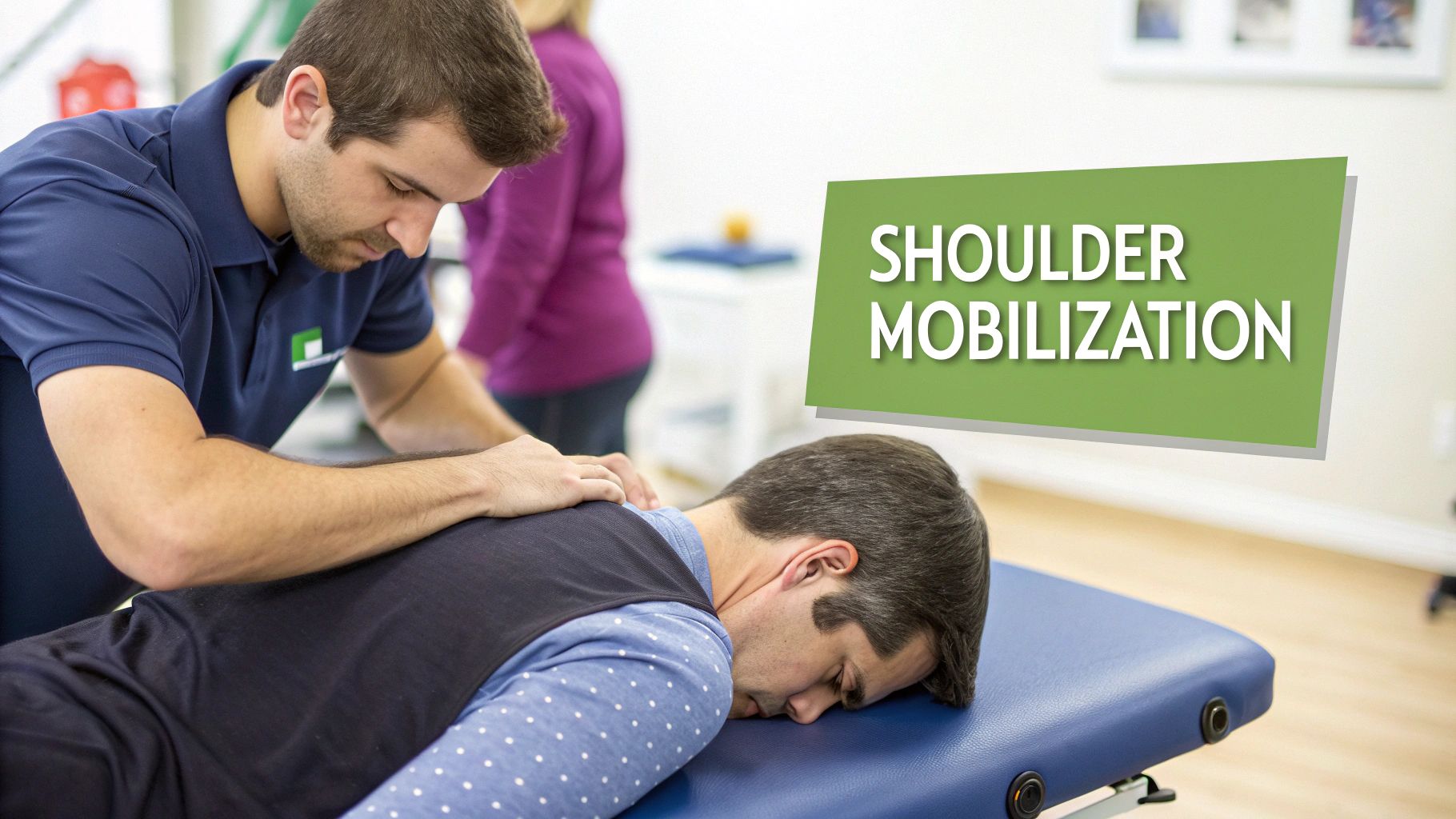
Often called ‘hands-on’ treatment, this includes techniques like massage, joint mobilisation, and manipulation to ease pain, reduce stiffness, and improve your range of motion.
Exercise Prescription
We design a personalised exercise programme with specific movements and stretches to strengthen weak muscles, improve flexibility, and support your recovery.
Education & Advice
A huge part of physiotherapy is helping you understand your condition. We provide practical advice on managing your symptoms and modifying activities to prevent re-injury.
One of the most important goals of physiotherapy is to empower you with a deeper understanding of your own body. It’s about giving you the knowledge and tools to manage your health independently and prevent future injuries, putting you back in control of your physical well-being.
How To Book Your MSK Physiotherapy
At The Lagom Clinic, we are highly experienced in diagnosing and managing a wide range of musculoskeletal conditions. From growing teenagers and elite athletes to those living with chronic health conditions, we treat all kinds of patients.





 Members Consultation