


If you’ve ever found yourself wondering, “Why do I keep getting thrush?”, you’re far from alone. This recurring issue stems from an imbalance in your body's delicate ecosystem, allowing a type of yeast called Candida albicans to multiply.
This isn't a reflection on your hygiene. Instead, it’s a sign that certain internal or external factors are creating the perfect conditions for this yeast to thrive, time and time again. To find lasting relief, it's essential to identify and address these underlying causes through informed lifestyle adjustments and medical guidance.
Understanding the Cycle of Recurrent Thrush
Recurrent thrush is officially defined as having four or more diagnosed infections in a single year. It can feel like a relentlessly frustrating cycle: you treat it, find relief for a short while, and then before you know it, the symptoms are back. Breaking this pattern starts with understanding and managing the underlying triggers.
Think of your vaginal microbiome as a garden. In a healthy state, it contains a balanced mix of "good" bacteria (like Lactobacillus) and a small, normal amount of yeast (Candida). The good bacteria act as diligent keepers, preventing the yeast from overgrowing. When something disrupts this balance, Candida seizes the opportunity to flourish.
Common Triggers for Thrush
Identifying what’s upsetting your body’s natural harmony is the crucial first step. While triggers can be very individual, some culprits pop up more frequently than others. Making targeted lifestyle changes based on these triggers is key to preventing future infections.
Here's a quick rundown of the most common factors that can disrupt your vaginal flora and lead to those frustrating repeat infections.
Common Triggers for Recurrent Thrush at a Glance
| Trigger Category | Specific Examples | How It Contributes to Thrush |
|---|---|---|
| Medications | Broad-spectrum antibiotics | Kills off beneficial "good" bacteria, allowing yeast to overgrow without competition. |
| Hormonal Changes | Menstrual cycle, pregnancy, some contraceptive pills, HRT | Fluctuations in hormones like oestrogen can alter the vaginal pH and environment, making it more favourable for yeast growth. |
| Immune System | Illness, chronic stress, conditions like uncontrolled diabetes | A weakened immune system can't effectively keep the naturally present Candida population in check. |
| Lifestyle Habits | High-sugar diet, scented soaps/douches, tight synthetic clothing | Sugar feeds yeast, while certain products and clothing can irritate the area and trap moisture, creating a perfect breeding ground. |
Getting a handle on these triggers is key. For example, if your immune system feels run down, focusing on strengthening immunity with natural strategies could make a real difference.
It’s important to remember just how common this is. It's estimated that 70–75% of women will experience thrush at least once. The yeast itself is a normal part of our microbiome; it only becomes a problem when it starts to dominate. As the NHS points out, repeated infections are a clear signal that it's time for a chat with your doctor to explore potential underlying causes. By pinpointing what's disrupting your body’s balance, you can start making targeted changes to keep thrush from coming back.
The Link Between Your Health and Recurrent Thrush
Think of your body as a finely balanced garden. When everything is in harmony, the naturally occurring yeast, Candida, lives peacefully alongside beneficial bacteria, kept in check by your body’s natural defences. But when something disrupts that delicate balance, it creates the perfect conditions for yeast to grow out of control, leading to the frustrating cycle of recurrent thrush.
Several key health factors can tip the scales. Understanding them is the first step to figuring out "why do I keep getting thrush?" and making lifestyle changes to support your overall health and prevent infections.
How Your Immune System Fights Back
Your immune system is your body's personal security detail, constantly on patrol to keep potentially disruptive microbes like Candida in their place. A strong, healthy immune system manages this with ease, preventing the yeast from multiplying to a point where it causes trouble.
However, if your defences are compromised—perhaps due to chronic stress, illness, or an underlying medical condition—your immune system can't effectively suppress the yeast. This gives Candida the green light to flourish. Health Tip: Prioritise 7-9 hours of sleep per night, manage stress through activities like yoga or meditation, and eat a balanced diet to support robust immune function.
The Impact of Blood Sugar and Diabetes
Yeast thrives on sugar; it's the fuel that helps it grow and spread. If you have uncontrolled diabetes or a diet high in sugar and refined carbohydrates, your blood sugar levels can be elevated. This excess sugar finds its way into bodily fluids, including in the vagina.
This creates a sweet, welcoming environment that is practically a paradise for Candida. For anyone managing diabetes, keeping blood sugar levels stable is a massive step towards preventing recurrent thrush.
Health Tip: Reduce your intake of sugary foods, drinks, and refined carbs (like white bread and pasta). Opt for whole grains, lean proteins, and plenty of vegetables to help stabilise your blood sugar.
Hormonal Fluctuations and Thrush
Hormones, especially oestrogen, are powerful players in regulating the vaginal environment. When oestrogen levels fluctuate, it can change the natural pH balance, making the area more hospitable for yeast.
These hormonal shifts are an incredibly common trigger for recurrent thrush and can be brought on by different life stages and choices:
- Your Menstrual Cycle: Many women find that thrush symptoms flare up at the same time each month, often right before their period.
- Pregnancy: The massive hormonal surges that happen during pregnancy create a prime environment for yeast overgrowth.
- Contraceptives: Some high-oestrogen contraceptive pills can have a similar effect, disrupting your body's natural balance.
For women, getting a handle on which vitamins that balance female hormones can be especially helpful, as these ups and downs are a frequent culprit behind recurring infections.
Ultimately, conditions that affect your whole body can have a direct impact on your susceptibility to thrush. UK research has highlighted that underlying immune issues and the use of broad-spectrum antibiotics are significant risk factors for serious Candida infections. By taking a step back and looking at your overall health, you can start to connect the dots and pinpoint the real root cause of your infections.
How Your Lifestyle Can Help Prevent Thrush

While underlying medical issues can tip the scales in favour of yeast overgrowth, our day-to-day habits often play a crucial role. The choices we make around diet, clothing, and personal hygiene can either create an environment where Candida thrives or build a strong defence against it. If you find yourself asking, "Why do I keep getting thrush?", the answer often lies in these everyday routines.
Making small, consistent lifestyle changes can fortify your body’s natural ecosystem, creating an environment where 'good' bacteria flourish and keep opportunistic yeast in its place.
Your Diet and Thrush Prevention
What you eat can directly fuel a yeast infection. Candida loves sugar, so a diet loaded with sugary treats, processed snacks, and refined carbs can contribute to its overgrowth.
A powerful preventative strategy is to adopt a balanced, whole-food diet. Fill your plate with plenty of fresh vegetables, lean proteins, and complex carbohydrates like whole grains. These foods help keep your blood sugar stable, essentially starving the yeast of its favourite meal. Understanding the importance of probiotics for women's health can also be a game-changer. Probiotic-rich foods help reinforce your 'good' bacteria.
Health Tip: Incorporate these foods into your diet:
- Live Yoghurt: Choose plain, unsweetened varieties that list live cultures like Lactobacillus on the label.
- Fermented Foods: Kefir, kimchi, and sauerkraut are packed with beneficial bacteria that help maintain a healthy gut and vaginal microbiome.
Breathable Clothing Choices
Yeast thrives in warm, moist environments, which is exactly the kind of setting created by tight, synthetic clothing. Fabrics like nylon and lycra trap heat and moisture against your skin, creating a perfect breeding ground for Candida.
One of the simplest yet most effective lifestyle changes is switching to breathable, natural fabrics. Cotton underwear is the top recommendation for daily wear because it allows air to circulate, keeping the area drier and less welcoming to yeast.
Health Tip: Change out of damp clothes, such as sweaty gym gear or wet swimwear, as quickly as possible. This simple habit robs yeast of the cosy, moist environment it needs to multiply.
Gentle Personal Hygiene
When it comes to intimate hygiene, a 'less is more' approach is best. It's tempting to use strong, scented soaps or washes, but these products often do more harm than good by stripping away protective 'good' bacteria and disrupting the vagina's naturally acidic pH.
Douching is especially damaging, as it flushes out the natural microbiome entirely, leaving you vulnerable to overgrowth.
Health Tip: Stick to simple and gentle habits. Washing the external vulva with warm water is often sufficient. If you use soap, choose a mild, pH-balanced, and unscented formula. Always pat the area dry with a clean towel instead of rubbing. By avoiding harsh chemicals, you help preserve the ecosystem designed to keep yeast in check.
Making a few mindful adjustments to your daily routine can make a world of difference. To make it easier, here are some simple swaps you can start with.
Lifestyle Swaps to Help Prevent Thrush
| Area of Focus | Habit to Reconsider | Recommended Alternative |
|---|---|---|
| Diet | High-sugar foods, processed snacks, refined carbs | Whole foods, lean proteins, vegetables, and whole grains |
| Probiotics | Ignoring fermented foods | Adding live yoghurt, kefir, or kimchi to your diet |
| Underwear | Synthetic fabrics (nylon, lycra) | 100% cotton or other natural, breathable fabrics |
| Clothing | Staying in damp swimwear or gym clothes | Changing into dry clothes as soon as possible |
| Hygiene | Scented soaps, douching, harsh washes | Washing with warm water or a mild, unscented soap |
These small changes empower you to create an environment that actively discourages yeast overgrowth, putting you back in control of your health.
The Hidden Impact of Common Medications

It’s a frustrating scenario: you take medicine to solve one problem, only to find it creates another. If you're constantly asking, "why do I keep getting thrush?", the answer might just be hiding in your medicine cabinet. This connection is often missed, but it's a major trigger for many.
Your vaginal microbiome is a carefully balanced ecosystem where friendly bacteria, like Lactobacillus, keep the naturally present yeast (Candida) in check. However, certain medications can throw this system off-kilter, giving yeast a golden opportunity to multiply.
Broad-Spectrum Antibiotics
Broad-spectrum antibiotics are one of the most common culprits behind recurrent thrush. While effective at killing harmful bacteria, they don't discriminate between good and bad microbes.
This is like using a powerful weedkiller that wipes out everything in your garden—weeds and protective plants alike. By eliminating beneficial bacteria, antibiotics leave the door wide open for opportunistic yeast to thrive without competition. Health Tip: If you need to take antibiotics, speak to your doctor or pharmacist about simultaneously taking a high-quality probiotic supplement to help support your gut and vaginal flora.
It's crucial to understand that you should never stop taking a prescribed medication without consulting your doctor. Knowing about these potential side effects, however, empowers you to have a much more informed conversation about your health.
Corticosteroids and Immunosuppressants
Other medications can also pave the way for thrush by dampening your body's natural defences. Corticosteroids, whether taken as pills or through an inhaler, can suppress your immune system’s activity. This means your body's internal security team isn't as vigilant, making it easier for Candida to get out of control.
Similarly, immunosuppressant drugs—often prescribed for autoimmune conditions or after an organ transplant—are designed to lower the immune response. An unfortunate side effect is a reduced resistance to opportunistic infections like thrush.
Being aware of these links is a huge first step. If you suspect your medication is a contributing factor, discuss preventative strategies with your GP. They may suggest dietary changes, probiotics, or a preventative antifungal treatment to help maintain your body's natural balance while you are on the necessary medication.
Getting Medical Treatment That Actually Works
When you're stuck in that frustrating cycle of thrush returning again and again, reaching for the same single-dose treatment from the chemist just won't cut it. It’s like putting a small plaster on a recurring leak; it might stop the drip for a day, but it does nothing to fix the underlying issue. To get lasting relief, a structured medical plan is essential.
If thrush has become a regular visitor, seeing your doctor is the most important step. They can look beyond temporary fixes and create a plan to restore your body’s delicate microbiome. The goal isn't just to treat the current infection, but to prevent the next one from starting.
Short-Term Fixes vs. Long-Term Solutions
A standard, one-off case of thrush is usually resolved with a short course of antifungal medicine, such as an oral tablet like fluconazole, a pessary, or a cream. For an isolated infection, this approach works well.
But for recurrent thrush, your doctor will likely recommend a longer-term strategy known as suppressive therapy. This involves two key phases:
-
The Induction Course: First, a more intensive phase to completely clear the current yeast overgrowth. This might mean taking an oral tablet every few days for a week or two, often combined with a cream.
-
The Maintenance Course: Once the initial infection is clear, you move to a preventative phase. This typically involves taking one antifungal tablet weekly for up to six months. This regular, low dose keeps the Candida population in check, giving your body time to restore its natural balance without the yeast constantly trying to take over.
This long-term, medically supervised approach is designed to finally break the cycle of reinfection and offers a much-needed period of relief and stability.
Why a Proper Diagnosis is Everything
One of the most critical reasons to see a doctor is to make absolutely sure you’re dealing with thrush. It’s all too easy to self-diagnose based on familiar symptoms, but several other conditions can mimic the itching and discomfort of a yeast infection.
Getting an accurate diagnosis is non-negotiable. Without it, you could be using treatments that won't work and might even make the real problem worse. A simple swab taken by your doctor can confirm exactly what's going on.
Some common culprits often mistaken for thrush include:
- Bacterial Vaginosis (BV): This is caused by an imbalance of bacteria, not yeast, and needs a completely different kind of treatment.
- Resistant Yeast Strains: Sometimes, the thrush is caused by a less common, more stubborn strain that standard antifungal medicines can't touch.
- Other Skin Conditions: Issues like dermatitis or other sensitivities can also cause very similar irritation.
A professional diagnosis ensures you’re on the right track. It arms you with the correct information to work with your GP on a treatment plan that finally puts an end to the cycle.
When You Should See a Doctor for Thrush
It's easy to reach for an over-the-counter remedy when you feel the familiar signs of thrush. But if you find yourself doing this repeatedly, it's a clear signal to stop self-treating and seek professional advice. Masking the symptoms without addressing the root cause can prevent you from finding a lasting solution.
There are several clear signs that it’s time to book an appointment with your GP.
Key Signs It Is Time for a GP Visit
The biggest red flag is frequency. If you've had four or more thrush infections in a single year, you officially have "recurrent thrush," which requires a proper medical investigation to determine the underlying cause.
You should also book a visit if:
- Over-the-counter treatments aren't working: If you've used an antifungal cream or pessary and your symptoms persist, it could signal a resistant strain or a different condition entirely.
- Your symptoms are severe or unusual: Intense pain, significant swelling, or skin cracking requires immediate medical attention.
- You're pregnant or breastfeeding: Always consult a doctor before using any treatment during this time to ensure it's safe for you and your baby.
This chart gives you a good idea of how a doctor might approach recurrent thrush, moving beyond a simple one-off treatment towards a more comprehensive, long-term plan.
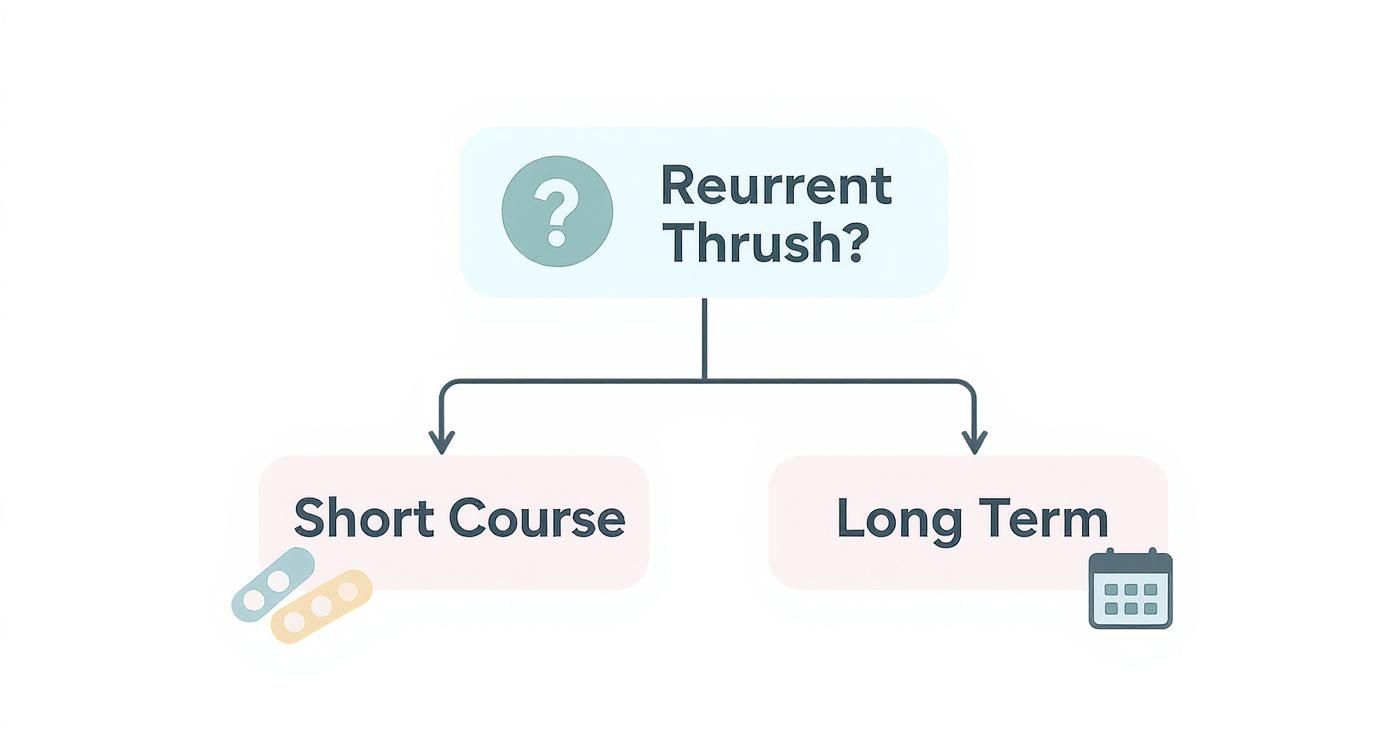
As you can see, once thrush becomes a recurring problem, a single course of treatment rarely solves it for good. A proper strategy is needed to finally break the cycle.
Ruling Out Underlying Health Conditions
Perhaps the most important reason to see a doctor is that persistent thrush can be your body's way of signalling an underlying health problem.
For example, conditions like undiagnosed diabetes create a high-sugar environment where yeast can flourish. A GP can investigate this properly, which might involve ordering a private blood test in the UK to check your blood sugar levels and other important health markers.
Interestingly, research also points to a link between socioeconomic factors and a higher risk of Candida infections. Data has shown that the incidence of serious Candida infections rises with deprivation, highlighting just how complex the relationship between our health and our environment can be. You can read the full research about these findings for more detail. Ultimately, seeing a doctor ensures you get the full picture and the right care.
Your Questions About Recurrent Thrush, Answered
If you’re stuck in a frustrating cycle of thrush, you probably have a lot of questions. Getting straight, reliable answers is the first step towards feeling in control again. Let's tackle some of the most common ones we hear from patients.
Can My Partner Be the Reason I Keep Getting Thrush?
This is a common concern, but the answer is almost always no. While it’s possible for Candida yeast to be passed between partners during sex, this is rarely the root cause of a recurrent infection.
Thrush is not considered a sexually transmitted infection (STI). The cycle of it returning points to an internal imbalance in your body, not reinfection from a partner. That said, if your partner has symptoms (like redness or irritation), they should seek treatment to avoid passing the yeast back and forth while you are trying to heal. For most women, however, the real solution lies in identifying and managing their personal triggers.
Are Probiotics a Good Way to Prevent Thrush?
Probiotics, particularly those containing Lactobacillus strains, can be a valuable part of your prevention strategy. They help reinforce your body's "good" bacteria, which keep yeast under control. Many people find that adding probiotic-rich foods (like live yoghurt) or supplements to their routine makes a positive difference.
However, it's important to have realistic expectations. While the science is promising, evidence is not yet strong enough for probiotics to be a standalone medical treatment for thrush. They are a safe and healthy lifestyle choice for most people but should be used to support, not replace, medical advice and treatment for an active or recurrent infection.
Is It Possible My Symptoms Aren’t Thrush at All?
Yes, and this is exactly why it's so important to see a doctor if your symptoms keep returning. It’s easy to assume it’s "just thrush again," but several other conditions can feel very similar, leading to the wrong over-the-counter treatments and a lot of unnecessary frustration.
Some common conditions mistaken for thrush include:
- Bacterial Vaginosis (BV): This is caused by a different kind of imbalance—bacterial, not yeast—and needs a completely different treatment.
- Certain STIs: Some sexually transmitted infections can also cause itching and unusual discharge.
- Skin Conditions: Simple skin irritation, like dermatitis, can also be the culprit.
A simple swab test performed by a GP can provide a clear diagnosis. This ensures you're using the right treatment to finally break the cycle for good.
At The Lagom Clinic, our private GPs in Bristol are here to help you get to the bottom of persistent health issues. If you’re struggling with recurrent thrush, we provide personalised consultations and testing to build a management plan that’s right for you. Book your appointment today and take the first step towards lasting relief.
Need help with recurrent thrush?
If thrush keeps coming back, a private GP consultation can help investigate underlying causes and find an effective treatment plan.


 Members Consultation