


Effectively managing high blood pressure starts with making targeted lifestyle changes. It's a combination of smarter food choices, increased physical activity, better stress management, and working closely with your GP to monitor your progress. This guide provides scientifically sound health advice and practical tips you can implement today.
Understanding High Blood Pressure in the UK
High blood pressure, or hypertension, is a common condition affecting millions in the UK. It occurs when the force of blood pushing against your artery walls is consistently too high, putting a strain on your cardiovascular system.
The main danger of hypertension is that it typically has no symptoms. You can feel perfectly healthy while, internally, damage is slowly accumulating.
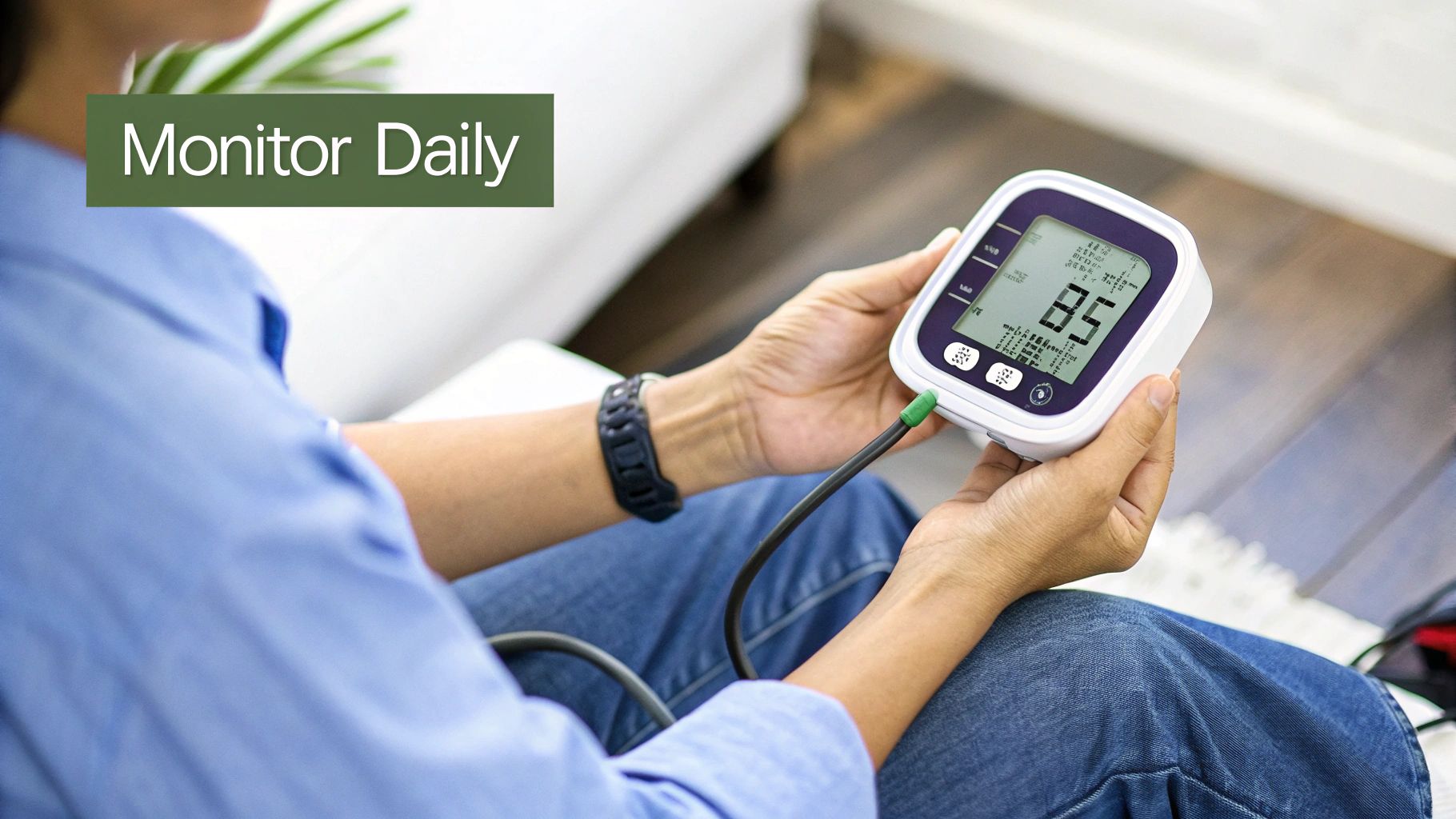
This is why it's often called the "silent killer." Without regular checks, it can go undetected for years, quietly increasing your risk of serious health problems such as heart attacks, strokes, kidney disease, and vascular dementia. Understanding your risk factors and what your blood pressure numbers mean is the first critical step towards managing your health.
The Scale of the Problem in the UK
The prevalence of hypertension in the UK is significant. Approximately 30% of adults, or around 16.5 million people, are living with high blood pressure. Worryingly, an estimated 4.5 million of them are unaware they have the condition.
Hypertension is particularly common in adults over 55, individuals living in more deprived areas, and people of Black African and Black Caribbean heritage. This widespread lack of awareness presents a major public health challenge, as untreated high blood pressure can lead to severe medical emergencies and costs the NHS over £2.5 billion annually. For more detail on the impact, see this guide on wecovr.com.
Why Consistent Monitoring Is Essential
Since you cannot feel high blood pressure, the only way to know if you have it is to get it measured. This is particularly important if you have known risk factors.
- Family History: A close family history of hypertension increases your personal risk.
- Age: The risk increases with age, making regular checks essential for anyone over 40.
- Lifestyle Factors: A diet high in salt, a lack of physical activity, and being overweight are major contributors.
Health Tip: Proactively monitoring your blood pressure empowers you to make timely lifestyle adjustments or seek medical advice before complications develop. Regular checks provide a clear picture of your cardiovascular health, transforming an invisible risk into a manageable condition.
What Your Blood Pressure Readings Mean
Your blood pressure reading consists of two numbers. The systolic pressure (the first number) measures the force when your heart beats. The diastolic pressure (the second number) measures the force when your heart rests between beats.
This table, based on NHS guidelines, helps you interpret your readings.
| Category | Systolic (mmHg) | Diastolic (mmHg) | What It Means |
|---|---|---|---|
| Ideal | 90-120 | 60-80 | This is a healthy range. Continue with your healthy lifestyle habits. |
| High-Normal | 121-139 | 81-89 | Your blood pressure is elevated. It is advisable to implement lifestyle changes. |
| High | 140 or higher | 90 or higher | This indicates hypertension. You should consult your GP for advice and a management plan. |
| Very High | 180 or higher | 120 or higher | This is a medical emergency. Seek immediate medical attention. |
A single high reading is not necessarily a cause for alarm, as factors like stress or caffeine can temporarily raise it. A diagnosis of hypertension is typically based on a pattern of high readings over time.
Your Diet, Your Heart: A Practical Food Guide
Adopting a heart-healthy diet is a cornerstone of blood pressure management. The food you eat has a direct impact on your cardiovascular health, and even small, consistent changes can yield significant benefits.
A highly recommended dietary pattern is the DASH (Dietary Approaches to Stop Hypertension) plan. This is a scientifically proven, flexible approach that focuses on increasing your intake of fruits, vegetables, and whole grains while reducing salt, red meat, and sugary foods and drinks.
Uncovering Hidden Salt in Your Shopping Trolley
Excess sodium is a major driver of high blood pressure. The NHS recommends adults consume no more than 6g of salt per day (about 2.4g of sodium), but many people consume much more, often without realising it.
Be mindful of high salt content in common foods:
- Bread and Cereals: Many popular brands contain significant amounts of added salt.
- Sauces and Condiments: Jarred pasta sauces, ketchup, and dressings are often high in sodium.
- Processed Meats: Bacon, sausages, and deli meats are typically very high in salt.
- Ready Meals and Soups: Convenience foods frequently rely on salt for flavour and preservation.
Health Tip: Make reading food labels a regular habit. Use the "traffic light" system on packaging to choose foods with a green label for salt. This simple action can dramatically reduce your daily sodium intake.
Building Your Heart-Healthy Plate
Focus on adding beneficial foods to your diet rather than just restricting others. A diet rich in potassium, magnesium, and calcium can help counteract the effects of sodium and promote healthy blood vessel function.
A practical tip is to start your shopping in the fresh produce section. Fill your trolley with colourful fruits and vegetables like bananas, spinach, and tomatoes. Include lean proteins such as skinless chicken and fish, which are excellent sources of omega-3 fatty acids. You can also learn about the surprising impact of olive oil on your blood pressure.
Simple food swaps can also improve your diet significantly.
Heart-Healthy Food Swaps for Lower Blood Pressure
Here are some effective substitutions to reduce sodium and boost key nutrients.
| Instead Of This | Try This Healthier Swap | Why It Helps |
|---|---|---|
| White bread or bagels | 100% wholewheat bread | Increases fibre intake, which aids in blood pressure management and promotes satiety. |
| Crisps or salty snacks | A handful of unsalted nuts | Provides healthy fats, magnesium, and fibre without the excess sodium. |
| Butter for cooking | Olive or rapeseed oil | Replaces saturated fat with heart-healthy monounsaturated fats. |
| Sugary breakfast cereal | Plain porridge with berries | Reduces added sugar intake while increasing potassium and antioxidants. |
These small, cumulative adjustments create a powerful, positive effect on your blood pressure and overall cardiovascular health.
The Role of Physical Activity in Blood Pressure Control
Regular physical activity is one of the most effective non-pharmacological methods for managing high blood pressure. Exercise strengthens your heart, allowing it to pump blood more efficiently and with less effort. This reduces the force on your arteries, leading to lower blood pressure.
Consistency is more important than intensity. The goal is to find activities you enjoy, making it easier to build a sustainable long-term habit.
Activities like a brisk walk, a cycle ride, or even vigorous gardening can have a significant cumulative effect, encouraging your body to maintain a healthier blood pressure level.
Finding an Activity That Works for You
The most effective exercise is the one you will do consistently. It is crucial to choose something that fits your lifestyle and current fitness level. Aim for at least 150 minutes of moderate-intensity aerobic activity per week. This can be broken down into manageable sessions, such as 30 minutes on five days of the week.
Here are some excellent options:
- Aerobic Exercise: Activities that raise your heart rate, such as brisk walking, jogging, cycling, swimming, or dancing, are highly beneficial.
- Resistance Training: Building muscle also supports cardiovascular health. Aim for two sessions a week using weights, resistance bands, or your own body weight for exercises like push-ups and squats.
- Mind-Body Activities: Practices like yoga and tai chi offer a dual benefit. They combine physical movement with mindfulness and controlled breathing, which helps to manage stress—another key factor in hypertension.
Health Tip: Consistency is paramount. It is far more beneficial to engage in a 20-minute walk every day than to attempt a single, strenuous two-hour workout once a week.
Overcoming Common Roadblocks
Lack of time and motivation are common barriers to regular exercise. The key is to integrate movement into your daily routine.
Here are some practical tips:
- Break It Up: If you can't find a 30-minute block, three 10-minute brisk walks throughout the day are equally effective.
- Use Your Commute: Get off public transport one stop early and walk the rest of the way, or cycle to work if possible.
- Schedule It In: Treat exercise like an important appointment by blocking out time in your calendar.
- Find a Partner: Exercising with a friend or family member can increase motivation and enjoyment.
It is always advisable to consult your GP before starting a new exercise programme, especially if you have been inactive for some time.
Lifestyle Adjustments Beyond Diet and Exercise
While diet and exercise are foundational, other lifestyle factors are equally important for managing high blood pressure. Limiting alcohol, quitting smoking, and managing stress are powerful strategies that support cardiovascular health and amplify the benefits of your other efforts.
Reassessing Your Alcohol Intake
Even moderate alcohol consumption can raise blood pressure. It is important to adhere to UK guidelines, which recommend no more than 14 units of alcohol per week for both men and women, spread over several days with some alcohol-free days.
To put this into context:
- A single 25ml measure of spirits (40% ABV) is one unit.
- A standard 175ml glass of wine (13% ABV) is approximately 2.3 units.
- A pint of 4% ABV lager is just over 2 units.
Health Tip: Track your alcohol consumption for a week to get an accurate picture of your intake. This is an essential step in managing your blood pressure effectively.
The Impact of Smoking on Your Arteries
The link between smoking and cardiovascular disease is well-established. Each cigarette causes a temporary increase in heart rate and blood pressure, but the long-term damage is more severe. The chemicals in tobacco smoke damage the lining of your arteries, causing them to narrow and stiffen.
This forces your heart to work harder, permanently raising your blood pressure. Quitting smoking is one of the single most beneficial changes you can make for your heart. The NHS offers excellent free support services to help you quit.
Prioritising Rest and Managing Stress
Chronic stress and poor sleep contribute significantly to hypertension. Stress triggers the release of hormones that constrict blood vessels, while a lack of quality sleep prevents the natural overnight drop in blood pressure that is crucial for cardiovascular health.
Health Tip: Effective stress management is about improving your response to stressors. Simple techniques like mindfulness, deep breathing exercises, or dedicating time to a relaxing hobby can profoundly benefit both your mental and physical health.
Ensuring you get sufficient restful sleep is also critical. Creating a comfortable sleep environment is key; you might find it useful to read about choosing the right pillow for better sleep. Unfortunately, hypertension remains a major public health concern in the UK. It's projected that by 2025, over 7 million adults will have undiagnosed high blood pressure. You can learn more about the health and economic impact of this issue on wecovr.com.
Monitoring Your Blood Pressure at Home
Taking an active role in your health by monitoring your blood pressure at home is an empowering step. It provides tangible feedback on the effectiveness of your lifestyle changes and gives you and your GP a more accurate picture of your health than infrequent clinic readings.
Home monitoring helps overcome "white coat syndrome," where blood pressure spikes due to anxiety in a clinical setting. This consistent data log allows your doctor to make better-informed decisions about your treatment plan.

Despite its importance, public awareness is lacking. A 2025 poll found that 43% of UK adults do not know their blood pressure reading. Campaigns like Blood Pressure UK's campaign aim to address this gap by educating the public about the silent nature of hypertension.
Choosing and Using Your Monitor Correctly
Accurate readings depend on using a validated machine and correct technique. A validated monitor has been clinically tested for accuracy. The British and Irish Hypertension Society provides a list of approved monitors. Upper-arm cuff models are generally considered more reliable than wrist-based devices.
For reliable measurements, follow a consistent routine:
- Relax First: Sit quietly for at least five minutes before taking a reading. Avoid caffeine, exercise, and smoking for at least 30 minutes prior.
- Get Your Posture Right: Sit in a chair with your back straight and feet flat on the floor. Rest your arm on a table so the cuff is level with your heart.
- Apply the Cuff Correctly: The cuff should be snug on your bare upper arm, with enough space to fit two fingers underneath.
- Take Two Readings: Measure your blood pressure twice, one to two minutes apart. If the readings differ significantly, take a third and calculate the average.
Health Tip: Do not be discouraged by a single high reading, as blood pressure fluctuates naturally. The overall trend over weeks and months provides the most valuable information for you and your healthcare team.
Keeping a Simple Blood Pressure Diary
Logging your readings is as important as taking them. A diary helps you and your doctor identify trends and potential triggers.
For each entry, record:
- Date and Time: To track daily fluctuations.
- Systolic Reading (top number).
- Diastolic Reading (bottom number).
- Heart Rate (Pulse).
- Notes: Add context, such as feeling stressed, having a poor night's sleep, or consuming a salty meal.
Bringing this diary to your appointments provides your GP with a comprehensive overview of your blood pressure, enabling a more personalised and effective management plan.
Working with Your Healthcare Team for Best Results
Managing high blood pressure effectively is a partnership between you and your healthcare provider. Your lifestyle efforts are the foundation, while your GP provides the expert guidance to ensure your plan is safe and effective for your long-term health. This collaboration turns a generic health plan into one that is tailored specifically for you.
The Importance of Medication Adherence
If your doctor prescribes medication for high blood pressure, it is crucial to take it exactly as directed. Because hypertension is a "silent" condition, it can be tempting to stop taking medication when you feel well or when your readings improve.
However, improved readings are often a direct result of the medication working correctly. Stopping your medication abruptly can cause your blood pressure to rise again, potentially to dangerous levels. Consistency is essential for protecting your cardiovascular system from the long-term damage caused by hypertension.
This image illustrates how daily habits are integrated into a comprehensive management plan.
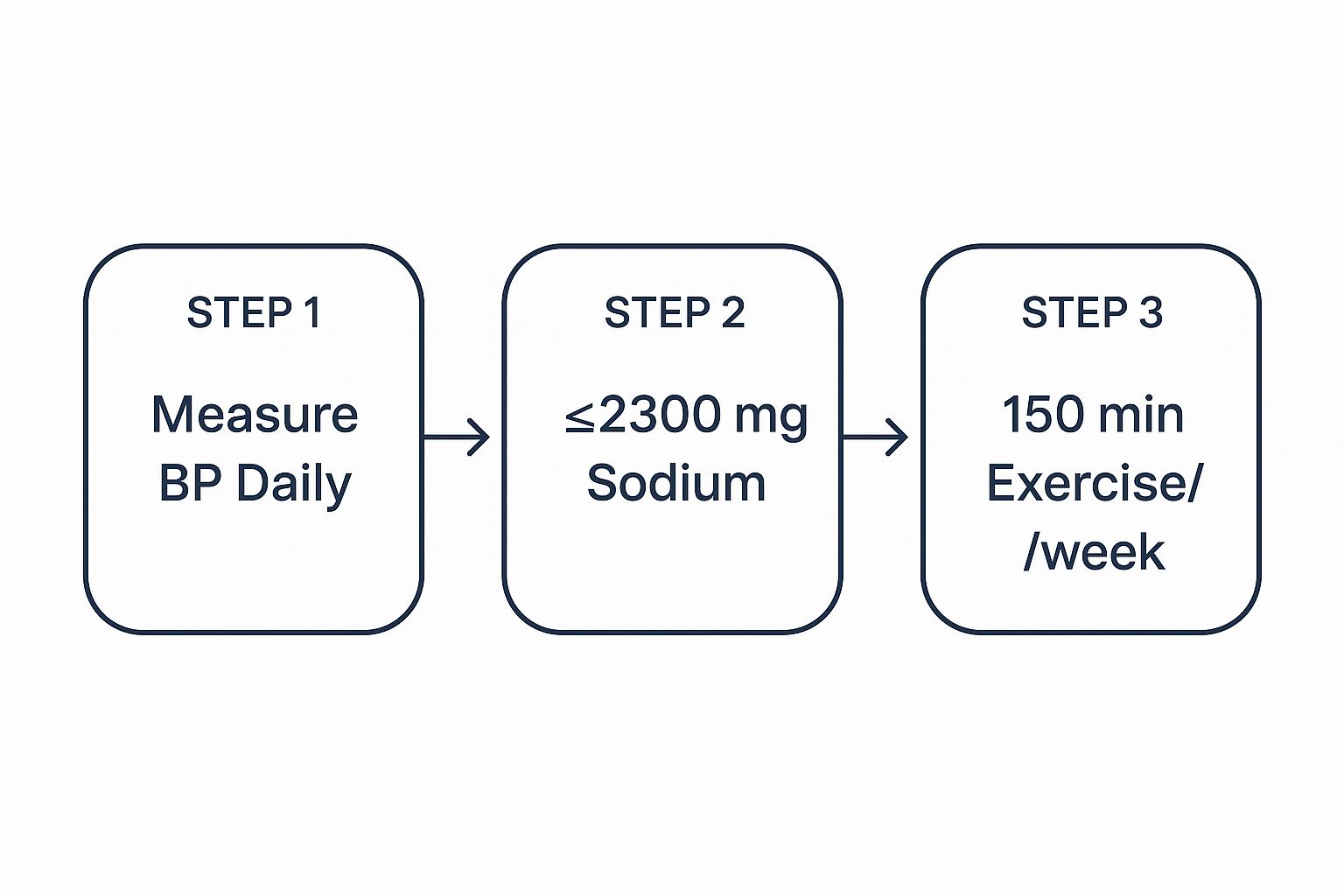
It shows the connection between monitoring, diet, and physical activity, demonstrating how these efforts combine to achieve better control over your blood pressure.
Making the Most of Your GP Appointments
To maximize the value of your appointments, it is helpful to arrive prepared. Do not hesitate to ask questions to ensure you feel confident and clear about your treatment plan.
Practical tips for your consultation:
- Bring your home readings: Your blood pressure diary provides a more accurate picture than a single in-clinic measurement.
- Be honest about side effects: If you experience side effects from medication, inform your doctor. Alternative treatments are often available.
- Share your lifestyle challenges: Discuss what is working and what is not. Your GP can provide practical advice and connect you with useful resources.
Health Tip: View your relationship with your healthcare team as a long-term collaboration. Open communication and shared decision-making are fundamental to developing a management plan that is both effective and sustainable.
Key Questions to Ask Your Doctor
Being an active participant in your care is empowering. Asking specific questions helps you fully understand your condition and treatment plan.
Consider asking the following at your next appointment:
- What is my target blood pressure, and how often should I monitor it at home?
- Are there any specific lifestyle changes you recommend I prioritise?
- Could any of my other medications or supplements be affecting my blood pressure?
- What other resources, such as the NHS Health Check, are available to me?
For individuals in the UK over 40, the free NHS Health Check is an excellent resource for assessing overall cardiovascular risk. This proactive approach, combined with your personal lifestyle efforts and your doctor's guidance, is the most powerful strategy for managing your blood pressure and protecting your future health.
At The Lagom Clinic, we believe in building strong, collaborative relationships with our patients to achieve balanced and lasting health. If you're looking for personalised, proactive GP care in Bristol that focuses on your complete wellbeing, we invite you to learn more about our services. Visit us at The Lagom Clinic to see how we can support your health journey.
Get your blood pressure checked
Blood pressure monitoring is included in all our health screening packages. Ongoing management available through private GP consultations.


 Members Consultation