


Your vision is one of your most precious senses, and a powerful tool for protecting it is through deliberate lifestyle and dietary choices. While factors like genetics and age play a role in long-term eye health, a wealth of scientific research demonstrates that specific nutrients can significantly reduce the risk of debilitating conditions like age-related macular degeneration (AMD), cataracts, and dry eye syndrome. This isn't just about the old saying of eating carrots for night vision; it's about adopting a sustainable, holistic lifestyle to preserve your sight for years to come.
This guide provides a detailed, medically-sound overview of the best good food for eyes. We will explore the specific vitamins, minerals, and antioxidants in each food, explaining their mechanisms for protecting delicate retinal tissues and maintaining clear vision. You'll find practical, actionable health tips for incorporating these powerhouse ingredients into your daily meals. Making positive dietary additions is crucial, but it's also wise to reduce intake of items that can be detrimental. Limiting foods that cause inflammation is an important complementary lifestyle change for protecting your overall wellness, including your eye health.
Let's delve into the essential food groups that form the foundation of a vision-protecting diet.
1. Carrots: The Classic Vision Booster
The age-old advice that carrots help you see in the dark is rooted in nutritional science. Carrots are arguably the most famous food for eyes, celebrated for their high concentration of beta-carotene. This powerful antioxidant is a type of carotenoid that the body converts into vitamin A, a nutrient absolutely essential for maintaining good vision.
Vitamin A is a key component of rhodopsin, a protein found in the retina's rod cells that is highly sensitive to light. Rhodopsin enables us to see in low-light conditions, so a sufficient intake of vitamin A is vital for healthy night vision. Beyond this, vitamin A plays a protective role for the cornea, the eye's outer surface, helping to prevent dryness and infection. A deficiency in Vitamin A can lead to a serious condition called xerophthalmia, which begins with night blindness and can progress to permanent vision loss if left untreated.
Practical Health Tip: Maximising the Benefits of Carrots
To make carrots a cornerstone of your diet for better eye health, it's important to consume them effectively. Beta-carotene is a fat-soluble nutrient, which means its absorption is significantly enhanced when eaten with a source of healthy fat.
- Pair with Healthy Fats: Drizzle roasted carrots with olive oil, enjoy raw carrot sticks with a dollop of hummus or guacamole, or add shredded carrots to a salad with an oil-based vinaigrette.
- Cook for Better Absorption: Lightly cooking carrots by steaming or roasting can break down their tough cellular walls, making the beta-carotene more accessible for your body to absorb.
- Aim for Consistency: Incorporating about half a cup (around one medium carrot) into your daily diet is a practical and effective goal for reaping the eye-health rewards.
- Choose Vibrant Colours: The deeper the orange colour, the higher the concentration of beta-carotene. Opt for the most brightly coloured carrots you can find at the market.
2. Leafy Green Vegetables (Spinach, Kale, Collard Greens)
Dark leafy greens like spinach, kale, and collard greens are nutritional powerhouses for maintaining optimal eye health. They are packed with two potent antioxidants, lutein and zeaxanthin, which belong to the carotenoid family. These crucial compounds accumulate in high concentrations in the macula, a small area in the centre of the retina responsible for sharp, detailed central vision.
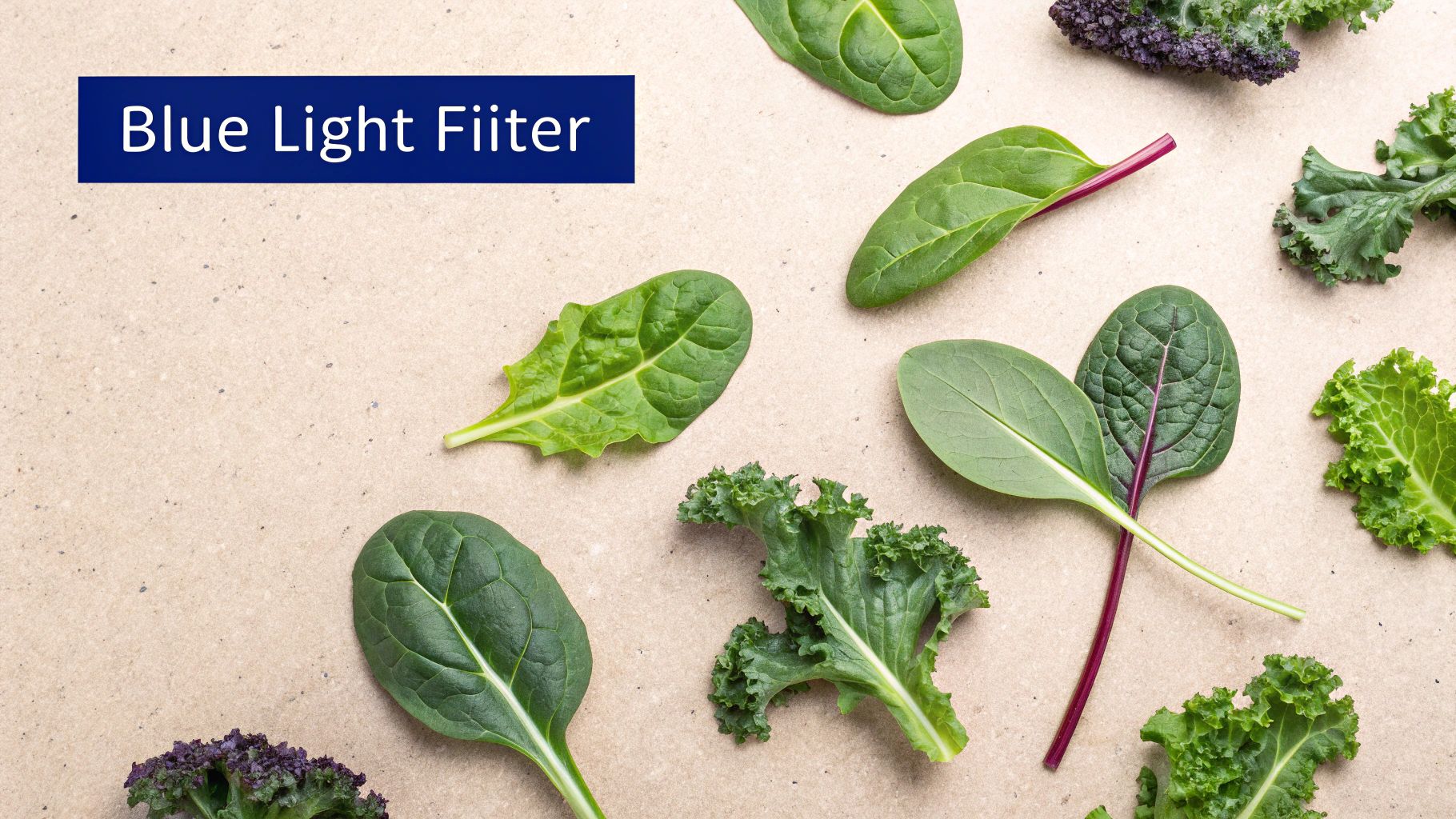
Functioning like internal sunglasses, lutein and zeaxanthin help to filter out harmful high-energy blue light waves, protecting the delicate cells of the retina from light-induced oxidative damage. This protective action is vital in reducing the risk of chronic eye diseases, most notably age-related macular degeneration (AMD) and cataracts. Landmark clinical trials, such as the Age-Related Eye Disease Study 2 (AREDS2), have scientifically confirmed the significant benefits of these nutrients for patients at risk of AMD. While these foods are a fantastic internal defence, for an added layer of protection against digital screens, you can also explore blue light blocking glasses.
Practical Health Tip: Maximising the Benefits of Leafy Greens
To fully leverage leafy greens as a good food for eyes, consider how you prepare and consume them. Like beta-carotene, lutein and zeaxanthin are fat-soluble, so their absorption is greatly improved when paired with healthy fats.
- Combine with Healthy Fats: Sauté your spinach in olive oil, add kale to a smoothie with avocado or chia seeds, or enjoy a collard green wrap with a tasty hummus filling.
- Light Cooking is Key: Gently steaming or sautéing leafy greens helps break down their tough plant cell walls, which makes the lutein and zeaxanthin more readily available for your body to absorb.
- Aim for a Daily Dose: Strive for at least one cup of cooked leafy greens or two cups of raw greens daily to meet the recommended intake of approximately 10 mg of lutein and 2 mg of zeaxanthin.
- Mix Up Your Greens: Incorporate a variety of greens like Swiss chard, rocket, and watercress into your diet. Each offers a unique profile of vitamins and minerals, contributing to overall health.
3. Fatty Fish: The Retina's Essential Fuel
Beyond the garden, the ocean offers some of the most powerful nutrients for ocular health. Fatty fish like salmon, tuna, sardines, and mackerel are packed with omega-3 fatty acids, specifically docosahexaenoic acid (DHA). This essential fat is a primary structural component of the retina, the light-sensitive tissue at the back of the eye, making it a critical nutrient for maintaining clear vision and retinal function.

Omega-3s play a vital role in protecting the eyes from damage and disease. Their potent anti-inflammatory properties can help reduce the risk of developing age-related macular degeneration (AMD) and glaucoma. Furthermore, these healthy fats contribute to the oily layer of the tear film, which is essential for proper lubrication. This makes them particularly beneficial for alleviating symptoms of dry eye syndrome, a common condition often exacerbated by screen time. Clinical studies have shown that regular consumption of omega-3s can significantly improve tear quality and reduce patient-reported discomfort.
Practical Health Tip: Maximising the Benefits of Fatty Fish
To harness the vision-protecting power of omega-3s, adopt these lifestyle habits for selecting and preparing fish. The quality and type of fish, as well as the cooking method, can influence the health benefits you receive.
- Aim for Two Servings Weekly: The American Heart Association recommends eating two servings of fish (particularly fatty fish) per week. A serving is about 100 grams, or the size of a deck of cards.
- Prioritise Wild-Caught: Whenever possible, choose wild-caught fish like salmon, which typically has a higher concentration of omega-3s and fewer contaminants compared to some farmed varieties.
- Opt for Smaller Fish: To minimise potential mercury exposure, incorporate smaller fish such as sardines and anchovies into your diet. They are sustainable and rich in both DHA and calcium.
- Cook Gently: Preserve the delicate omega-3 fatty acids by using gentle cooking methods. Grilling, baking, or steaming are far better options than deep-frying, which can damage these healthy fats.
4. Eggs: A Bioavailable Powerhouse for Eye Health
Often celebrated as a complete protein source, eggs are also nutritional powerhouses for maintaining sharp vision. The yolk, in particular, is a treasure trove of eye-friendly nutrients, including lutein, zeaxanthin, zinc, and vitamin A. These compounds work synergistically to protect the delicate structures of the eye, making eggs a superb addition to any diet focused on good food for eyes.
The key medical advantage of eggs lies in the high bioavailability of their nutrients. Lutein and zeaxanthin are carotenoids that accumulate in the macula, where they act as a natural shield against harmful blue light and oxidative damage. While leafy greens contain higher absolute amounts of these carotenoids, research from the USDA has shown that the lutein from eggs is absorbed far more efficiently by the body, thanks to the fats present in the yolk. Zinc, also found in the yolk, acts as a crucial transporter, helping to move vitamin A from the liver to the retina, where it's used to produce melanin, a protective pigment.
Practical Health Tip: Maximising the Benefits of Eggs
To get the most out of this versatile food for your eyes, make these small lifestyle adjustments to your routine. How you choose, prepare, and consume them can make a significant difference in nutrient intake and absorption.
- Consume the Whole Egg: The majority of the vision-protecting nutrients are concentrated in the yolk. Skipping it means you miss out on the lutein, zeaxanthin, zinc, and healthy fats that are crucial for eye health.
- Choose Pasture-Raised: Eggs from hens that roam on pasture tend to have a richer, more deeply coloured yolk, which indicates a higher concentration of beneficial nutrients, including omega-3 fatty acids and carotenoids, compared to conventionally raised eggs.
- Cook Gently: Overcooking, especially at high temperatures, can degrade some of the heat-sensitive nutrients in the yolk. Opting for methods like poaching, boiling, or light scrambling can help preserve their nutritional integrity.
- Pair with Vegetables: Enjoy your eggs alongside a spinach and mushroom omelette or with a side of sautéed kale. This combination enhances the overall absorption of carotenoids from both the eggs and the vegetables.
5. Citrus Fruits: Vitamin C Powerhouses for Eye Health
When considering good food for eyes, the vibrant family of citrus fruits like oranges, grapefruits, and lemons offers a potent dose of vitamin C. This essential antioxidant plays a critical role in maintaining the health and integrity of the blood vessels within our eyes. By supporting the delicate capillaries in the retina, vitamin C contributes to robust ocular circulation and overall eye function.
The benefits of vitamin C extend to protecting against long-term eye conditions. Research, including findings from the Blue Mountain Eye Study, suggests that a high dietary intake of this vitamin can help lower the risk of developing cataracts. Furthermore, as a powerful antioxidant, vitamin C helps neutralise free radicals, unstable molecules that can damage cells and contribute to the progression of age-related macular degeneration (AMD). Its essential role in collagen synthesis also helps maintain the structural integrity of the cornea and sclera (the white of the eye), making citrus fruits a foundational choice for comprehensive eye care.
Practical Health Tip: Maximising the Benefits of Citrus Fruits
To fully leverage the eye-protective properties of citrus fruits, it is best to consume them as part of a balanced daily diet. This simple lifestyle change can have a significant impact on your long-term eye health.
- Choose Whole Fruits Over Juice: Eating a whole orange or grapefruit provides not only vitamin C but also fibre, which helps regulate blood sugar. Juices often contain added sugars and lack this beneficial fibre, which can be detrimental to overall health.
- Don't Discard the Pith: The white, spongy layer between the peel and the fruit, known as the pith, is rich in bioflavonoids. These compounds work synergistically with vitamin C to enhance its antioxidant effects and support blood vessel integrity.
- Aim for Daily Servings: Incorporating one to two servings of citrus fruits into your daily routine is an achievable goal. A medium orange, half a grapefruit, or the juice of one lemon in water can easily meet this target.
- Opt for Organic When Possible: To minimise exposure to pesticides, choosing organic citrus fruits is a wise choice, particularly if you plan to use the zest in your cooking.
6. Nuts and Seeds: Potent Protectors in Small Packages
Nuts and seeds are miniature powerhouses of nutrition, offering a concentrated dose of nutrients essential for long-term eye health. They are particularly rich in vitamin E, a potent fat-soluble antioxidant that works to protect the cells in our eyes from the damaging effects of free radicals and oxidative stress. This protection is crucial for maintaining the integrity of cell membranes and preventing the cellular breakdown associated with many age-related eye conditions.
Beyond vitamin E, certain varieties like walnuts are an excellent plant-based source of omega-3 fatty acids, which support retinal function and may help to prevent dry eye syndrome. The landmark Age-Related Eye Disease Study (AREDS) demonstrated that vitamin E, as part of a specific antioxidant supplement formula, significantly reduced the risk of advanced age-related macular degeneration (AMD) progression in high-risk patients. Similarly, large-scale epidemiological studies such as the Nurses' Health Study have linked higher nut consumption to a lower risk of developing cataracts, making these snacks a scientifically-backed choice for safeguarding your vision.
Practical Health Tip: Maximising the Benefits of Nuts and Seeds
To effectively incorporate these nutrient-dense foods into your diet, here are some simple lifestyle tips for choosing, storing, and consuming them for optimal eye health benefits.
- Portion Control is Key: Nuts and seeds are high in calories, so a daily portion of about one ounce (a small handful) is sufficient to reap their benefits without overconsumption.
- Choose Wisely: Opt for raw or dry-roasted varieties instead of those roasted in oil or coated in sugar and salt. This ensures you get the pure nutritional benefits without unhealthy additives.
- Enhance Digestibility: Soaking nuts like almonds overnight can help to break down phytic acid, making their nutrients, including vitamin E, more bioavailable for your body to absorb and utilise.
- Store for Freshness: Healthy fats in nuts and seeds can go rancid. Keep them in an airtight container in a cool, dark place, or in the refrigerator, to preserve their nutritional quality and flavour.
7. Sweet Potatoes: A Vibrant Source of Eye Protection
Often celebrated as a healthier alternative to white potatoes, sweet potatoes are a nutritional powerhouse for maintaining optimal vision. Their vibrant flesh, whether orange or purple, is packed with beta-carotene, a precursor to vitamin A that is essential for good eyesight. Much like carrots, this powerful antioxidant is converted by the body into vitamin A, which plays a critical role in supporting night vision and protecting the cornea.
Beyond beta-carotene, certain varieties, particularly purple sweet potatoes, are rich in anthocyanins. These are potent antioxidants that help shield the eye's cells from damage caused by oxidative stress and inflammation. This dual-action protection makes sweet potatoes a fantastic food for eyes, potentially reducing the risk of developing cataracts and age-related macular degeneration (AMD). The success of public health initiatives, like those from Helen Keller International using sweet potatoes to combat vitamin A deficiency in African nations, scientifically underscores their profound impact on eye health.
Practical Health Tip: Maximising the Benefits of Sweet Potatoes
To get the most out of this versatile root vegetable, it's important to prepare and consume it in a way that maximises nutrient absorption. Making sweet potatoes a regular feature in your meals is a simple and delicious lifestyle change for better vision.
- Choose Colourful Varieties: Opt for deep orange or purple sweet potatoes, as their intense colours signify a higher concentration of beneficial antioxidants like beta-carotene and anthocyanins.
- Consume with Healthy Fats: As beta-carotene is fat-soluble, pairing sweet potatoes with a source of healthy fat is crucial. Try baking them with a drizzle of olive oil or mashing them with a small amount of avocado.
- Bake with the Skin On: Many of the valuable nutrients and fibre are found in or just below the skin. Baking or roasting sweet potatoes whole helps to retain these components.
- Include in Diverse Meals: Incorporate baked, roasted, or mashed sweet potatoes into your diet two to three times a week to consistently supply your eyes with their protective nutrients.
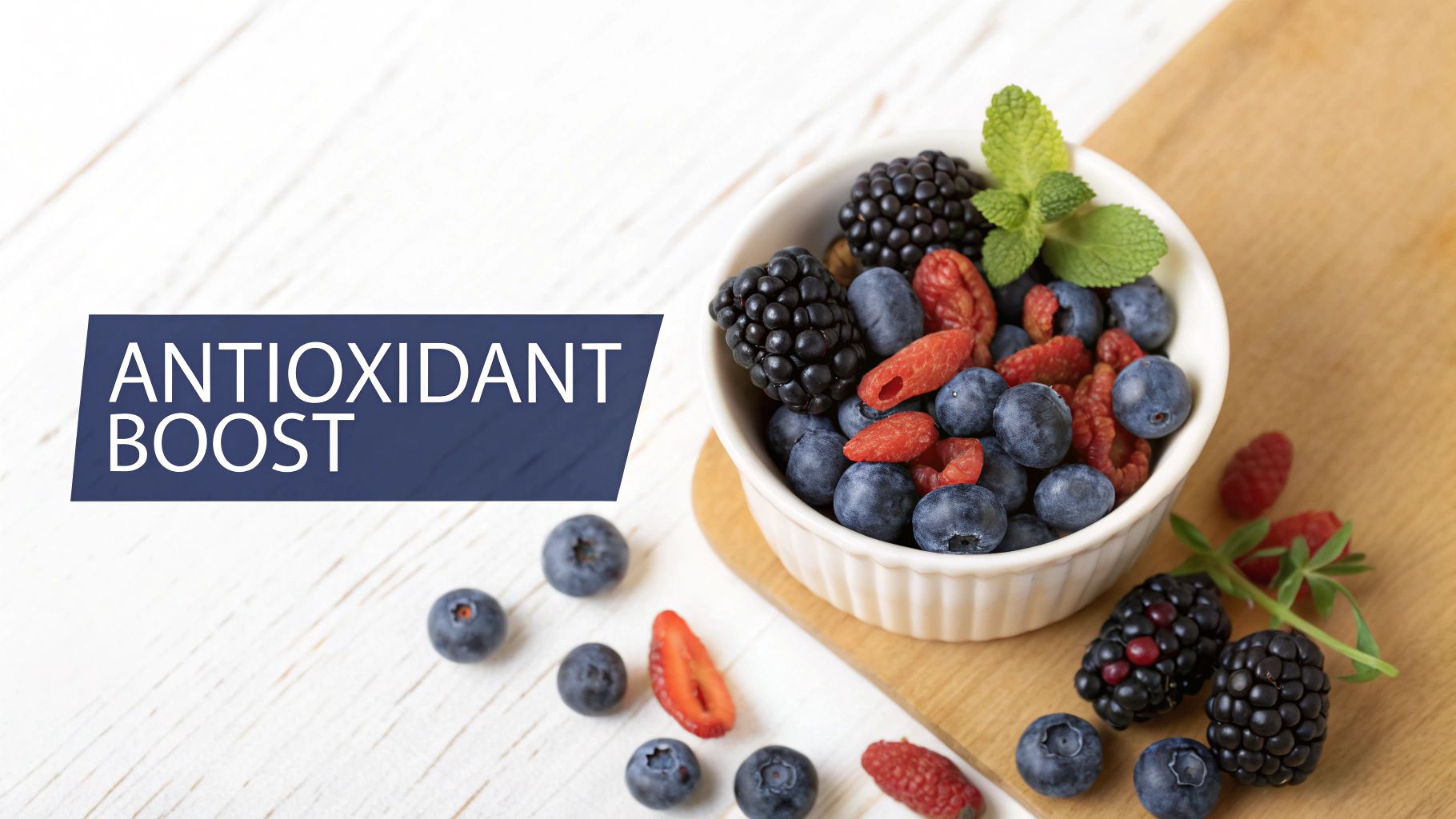
8. Berries (Blueberries, Blackberries, Goji Berries): Antioxidant Powerhouses
Berries are vibrant, flavourful fruits that act as potent guardians for your eyesight. Their deep, rich colours signal a high concentration of powerful antioxidants, particularly anthocyanins. These plant compounds are celebrated for their ability to support retinal health, strengthen blood vessels in the eyes, and protect against oxidative stress, making them an essential category of good food for eyes.
The medical benefits of berries for vision are well-documented. During WWII, British Royal Air Force pilots famously consumed bilberry jam, a close relative of the blueberry, to enhance their night vision for evening missions. Modern clinical research has since explored how anthocyanins improve blood flow to the retina and aid in the regeneration of rhodopsin, the crucial light-sensitive pigment. Furthermore, berries like goji berries have been used for centuries in traditional Chinese medicine to support vision and combat eye fatigue, a practice now being investigated by contemporary researchers for its links to protecting against age-related macular degeneration.
Practical Health Tip: Maximising the Benefits of Berries
Incorporating these antioxidant-rich fruits into your diet is a simple and delicious lifestyle change to fortify your eye health. To get the most medical benefit out of every handful, consider how you choose and consume them.
- Embrace Variety: Different coloured berries offer a unique profile of antioxidants. Mix blueberries, blackberries, raspberries, and strawberries to get a broad spectrum of protective compounds.
- Frozen is Just as Good: Frozen berries are picked at peak ripeness and flash-frozen, which preserves most of their nutritional value. They are a convenient and cost-effective option, especially out of season.
- Pair with Protein: Add a handful of mixed berries to your morning yoghurt, porridge, or a protein smoothie. This combination helps to stabilise blood sugar levels, preventing spikes that can damage delicate retinal blood vessels over time.
- Consider Organic: Berries are often on the list of produce with higher pesticide residues. Choosing organic options when possible can help minimise your exposure to these chemicals.
Nutritional Benefits Comparison of 8 Eye-Healthy Foods
| Item | Implementation Complexity | Resource Requirements | Expected Outcomes | Ideal Use Cases | Key Advantages |
|---|---|---|---|---|---|
| Carrots | Low – easy to prepare raw or steamed | Affordable, available year-round | Improved night vision, reduced cataract risk | Daily diet addition for vitamin A boost | High beta-carotene, antioxidant rich |
| Leafy Green Vegetables (Spinach, Kale, Collard Greens) | Moderate – best lightly cooked or raw with fats | Requires fresh produce, consistent intake | Blue light filtering, reduced AMD risk | Sustained eye protection, filtering blue light | Highest lutein/zeaxanthin content |
| Fatty Fish (Salmon, Tuna, Sardines, Mackerel) | Moderate – proper storage and cooking required | More costly, potential mercury concerns | Supports retinal function, reduces inflammation | Reducing dry eye, slowing retinal diseases | Rich in omega-3 DHA/EPA, vitamin D |
| Eggs | Low – versatile preparation methods | Affordable, widely available | Enhanced macular pigment, retinal health | Quick nutrient boost, bioavailable carotenoids | Highly bioavailable lutein/zeaxanthin |
| Citrus Fruits (Oranges, Grapefruits, Lemons) | Low – eaten raw or juiced | Seasonal, potential digestive issues | Strengthened retinal blood vessels, antioxidant effect | Eye vessel health, cataract risk reduction | High vitamin C and flavonoids |
| Nuts and Seeds (Almonds, Walnuts, Sunflower Seeds) | Low – ready-to-eat snacks | Calorie dense, allergen potential | Protect cell membranes, support tear film | Portable eye health snacks | High vitamin E, omega-3s, minerals |
| Sweet Potatoes | Moderate – best cooked (baked/steamed) | Available seasonally, requires cooking | Strong antioxidant protection, supports night vision | Energy-sustaining vitamin A source | Extremely high beta-carotene, anthocyanins |
| Berries (Blueberries, Blackberries, Goji Berries) | Low – eaten raw or added to dishes | Can be costly, short shelf life | Improved retinal circulation, enhanced night vision | Antioxidant-rich eye support snacks | High anthocyanins, vitamin C |
Integrating Eye Health into Your Everyday Lifestyle
Navigating the landscape of health advice can feel overwhelming, but the path to preserving your vision is paved with clear, actionable choices. As we have explored, incorporating a vibrant array of foods is a cornerstone of ocular health. From the beta-carotene in carrots and sweet potatoes to the lutein and zeaxanthin in leafy greens and eggs, and the powerful omega-3 fatty acids found in fatty fish, nature provides a formidable toolkit for protecting our sight. The consistent theme is the power of antioxidants, vitamins, and minerals working in synergy to combat oxidative stress and inflammation, two key drivers of age-related eye conditions.
The journey doesn't end with a single shopping list; it’s about building a sustainable dietary pattern. Think of it as creating a colourful mosaic on your plate every day. A handful of almonds for a mid-afternoon snack, a side of steamed spinach with your evening meal, or a sprinkle of blueberries on your morning porridge are all simple, incremental steps. The goal is not perfection but consistency. By making these nutrient-dense foods a regular feature of your diet, you are actively nourishing the delicate structures of your eyes, from the retina to the lens. This is a profound investment in maintaining clarity and function for decades to come.
Beyond the Plate: A Holistic Approach to Vision Care
While a diet rich in good food for eyes is fundamental, true preventative care requires a broader perspective. Our modern lifestyles present unique challenges to our vision, demanding a multi-faceted defence strategy. Consider these essential lifestyle adjustments as powerful complements to your nutritional efforts:
-
UV Protection: Just as we protect our skin from the sun, our eyes require the same diligence. Always wear sunglasses that offer 100% UVA and UVB protection when outdoors, even on cloudy days. This simple habit significantly reduces the risk of developing cataracts and other sun-related eye damage.
-
Managing Screen Time: In our digitally-driven world, eye fatigue is a common complaint. The constant focus on screens can lead to dryness, strain, and headaches. Implementing the "20-20-20" rule is an effective countermeasure: every 20 minutes, look away from your screen at something at least 20 feet away for a full 20 seconds. Beyond focusing on nourishing foods, integrating practices that reduce eye fatigue is crucial. For example, you can find practical tips for avoiding computer eye strain to further protect your vision.
-
Eliminate Smoking: The link between smoking and systemic health issues is well-documented, and eye health is no exception. Smoking dramatically increases the risk of developing cataracts and age-related macular degeneration (AMD). Quitting is one of the most impactful decisions you can make for your long-term sight.
By weaving these nutritional strategies and protective lifestyle habits into the fabric of your daily routine, you are taking decisive control over your eye health. This integrated approach ensures you are not just seeing well today, but are actively safeguarding your vision for a brighter, clearer future.
Ready to take a proactive, personalised approach to your health? At The Lagom Clinic, we provide comprehensive wellness consultations that integrate nutrition, lifestyle, and medical expertise to help you achieve your health goals. Visit us at The Lagom Clinic to learn how our dedicated private GP services in Bristol can support your journey to optimal wellbeing.


 Members Consultation