


When you start looking into a private healthcare comparison in the UK, you’ll find a market that's constantly growing to meet new demands. The main split tends to be between comprehensive insurance policies, which cover almost everything, and more focused specialist services for things like quick diagnostics or specific elective procedures. Getting your head around that difference is the first real step to choosing what's right for you.
Understanding Your UK Healthcare Choices
Most people begin exploring private healthcare because they want quicker access to a specialist, more say in when and where they get treatment, or a broader choice of consultants and hospitals. While the NHS is fantastic for emergency care, a growing number of us are looking to the private sector to avoid the long waits for non-urgent scans and treatments.
The numbers really back this up. In the first quarter of 2025 alone, the UK's private healthcare sector recorded 240,730 admissions—the second-highest quarterly figure ever. This isn't just a blip; it shows a real trend of people wanting more direct control over their health.
The Foundation of Good Health
Before we get into the nitty-gritty of comparing private healthcare plans, it’s worth remembering that no insurance policy can ever replace the basics of a healthy lifestyle. Real, lasting wellbeing is built on the daily habits that science shows can prevent illness and boost your quality of life. Think of private healthcare as a powerful ally in this effort, not a replacement for it.
The cornerstones of a healthy lifestyle are simple but scientifically sound and effective:
- Balanced Nutrition: A diet packed with whole foods, fruits, and vegetables provides essential vitamins, minerals, and antioxidants. These nutrients help maintain a healthy immune system and reduce inflammation, which is a known factor in many chronic diseases.
- Regular Physical Activity: Just 150 minutes of moderate-intensity exercise a week, like brisk walking or cycling, can drastically lower your risk of chronic illnesses like heart disease, stroke, and type 2 diabetes by improving cardiovascular health and helping to manage weight.
- Effective Stress Management: Chronic stress elevates cortisol levels, which can negatively impact your immune system and sleep quality. Proven techniques like mindfulness, meditation, or deep-breathing exercises can help regulate your stress response and are vital for staying resilient.
- Preventative Screenings: Regular check-ups and health screenings are key. They help catch potential problems like high blood pressure or abnormal cell changes early on, when they are much easier to treat and manage.
Private healthcare is a brilliant tool that works alongside a healthy lifestyle. It gives you fast access to diagnostics and specialist care right when you need it, so you can tackle health issues quickly and get back to focusing on your long-term wellness.
Navigating NHS vs Private Healthcare
It’s crucial to understand the fundamental differences between the NHS and the private sector. The NHS is a remarkable, publicly funded service that’s free when you need it. Private healthcare, on the other hand, is paid for by individuals or employers, either through insurance premiums or by paying for treatment directly.
This difference in funding is what creates the main distinctions in service. Our detailed guide comparing private healthcare vs the NHS digs into how this impacts waiting times, your choice of specialists, and the whole patient experience. By getting to grips with both systems, you can make a much better-informed decision about which path fits your situation and health priorities.
How to Compare Private Healthcare Plans
Choosing the right private medical insurance isn’t just about finding the cheapest monthly premium. It’s about digging deeper and matching what a policy actually offers to your own health needs and lifestyle. Getting this right from the start is the key to finding a plan that delivers real, tangible value when you need it most.
The entire healthcare conversation in the UK is shifting. You can feel it. A recent report found that a record 71% of people are now considering private healthcare, a huge jump from just 64% two years ago. This isn't surprising when you consider the pressures on the NHS. People are looking for more control and faster access to care, which makes a careful, informed comparison more critical than ever. You can read more about what’s driving this change in the full 2025 private healthcare report.
What to Look for in a Policy
When you start comparing plans, it's best to focus on the core building blocks of the cover first. These are the elements that define the scope of your protection and have the biggest impact on the final cost.
- Inpatient vs. Outpatient Cover: Think of inpatient cover as anything that requires a hospital bed—like surgery. Outpatient cover handles consultations, diagnostic tests, and therapies where you can go home the same day. Most basic plans include inpatient care, but adding comprehensive outpatient cover is what gives you broader access, though it does push up the price.
- Policy Excess: This is simply the amount you agree to pay towards a claim before the insurer steps in. Opting for a higher excess, say £500 or £1,000, will definitely lower your monthly payments. You just need to be comfortable knowing you'll have to find that amount if you need to make a claim.
- Hospital Network: Insurers group hospitals into different tiers. A plan with a more restricted list of local hospitals will be more affordable than one that gives you access to a nationwide network, especially those including premium facilities in central London.
Nailing these three components is the first step. It’s all about striking a balance between what you can afford and the level of flexibility you want.
When you're weighing up your options, it helps to have a clear checklist. Thinking through these criteria will ensure you're comparing apples with apples and finding a plan that truly fits your life.
Core Comparison Criteria for UK Private Health Insurance
| Criterion | Description | Key Questions to Ask |
|---|---|---|
| Cover Level | The scope of treatment covered, from basic inpatient-only to comprehensive plans including outpatient care, therapies, and mental health support. | What's my priority? Is it just for major surgery, or do I want access to specialists and diagnostics too? |
| Policy Excess | The amount you contribute towards a claim. A higher excess lowers your premium but increases your out-of-pocket cost when you need care. | What amount could I comfortably afford to pay upfront if I needed treatment tomorrow? |
| Hospital List | The network of hospitals and clinics where you can receive treatment. This can range from local facilities to nationwide premium hospitals. | Are the hospitals I'd want to use on the list? Do I need access to facilities far from home? |
| Underwriting Type | How the insurer assesses your medical history to handle pre-existing conditions (e.g., Moratorium or Full Medical Underwriting). | Do I have a complex medical history that needs clarity from day one, or am I happy with a standard approach? |
| Lifestyle Factors | How your personal habits, like smoking or exercise levels, impact your premium. Insurers reward healthier lifestyles. | Are there any positive, evidence-based lifestyle changes I can make that might lower my long-term costs? |
Considering each of these points gives you a solid framework for making a decision that you'll feel confident in for years to come.
The Impact of Lifestyle on Your Premiums
It's no secret that your health and lifestyle habits play a big role in a private healthcare comparison UK insurers will make. At the end of the day, they are assessing risk. A healthier, more active lifestyle usually means a lower risk profile and, in turn, better premiums.
Smoking is easily the biggest factor here, often pushing premiums up by 30-50%. A high Body Mass Index (BMI) or a very sedentary lifestyle can also add to your costs. The flip side is that positive changes can make a real difference. Simply aiming for at least 150 minutes of moderate physical activity a week and eating a balanced diet can not only improve your health by strengthening your cardiovascular system and managing weight, but might also positively influence your renewal terms down the line.
Making proactive health choices isn't just about feeling better; it's a strategic way to manage your long-term healthcare costs. Insurers are increasingly recognising and rewarding members who take an active role in their own wellbeing.
Getting to Grips with Underwriting
Finally, you need to understand underwriting. It’s the process an insurer uses to review your medical history, and it's a crucial detail that dictates how any pre-existing conditions are treated.
There are two main routes insurers take:
- Moratorium Underwriting: This is the most common approach. It works by automatically excluding any condition you’ve had symptoms, advice, or treatment for in the five years before your policy begins. If you then go two full years on the policy without any trouble from that condition, the exclusion can be lifted.
- Full Medical Underwriting (FMU): With FMU, you declare your entire medical history right at the start. The insurer then reviews it and tells you exactly what, if anything, will be permanently excluded. It means a bit more paperwork upfront, but it gives you complete clarity from day one.
Which one is right for you really depends on your medical background. Staying on top of your health with regular check-ups and diagnostics, like those we explore in our guide to private blood testing in the UK, gives you a much clearer picture, helping you make a more informed choice on underwriting and your cover as a whole.
Comparing the UK's Top Health Insurers
When you start looking into private health insurance in the UK, you’ll quickly come across a few big names. While many insurers offer similar core services, their philosophies, hospital networks, and the unique perks they provide can be worlds apart. A proper private healthcare comparison UK residents should make goes much deeper than just the monthly premium; it's about finding a provider whose approach aligns with your own health priorities and lifestyle.
The private sector is always changing, thanks to new technology and what patients now expect from their care. The UK's private healthcare market, valued at around US$13.75 billion in 2024, is expected to hit US$18.56 billion by 2033. A big reason for this growth is that private providers are often faster to adopt advanced tools like robotic-assisted surgery and high-resolution imaging, giving patients access to modern diagnostics that might have longer waiting lists elsewhere. You can dig deeper into these trends in this UK private healthcare market report.
To make a choice you feel good about, you need to understand how the main players—Bupa, AXA Health, Aviva, and Vitality—really stack up.
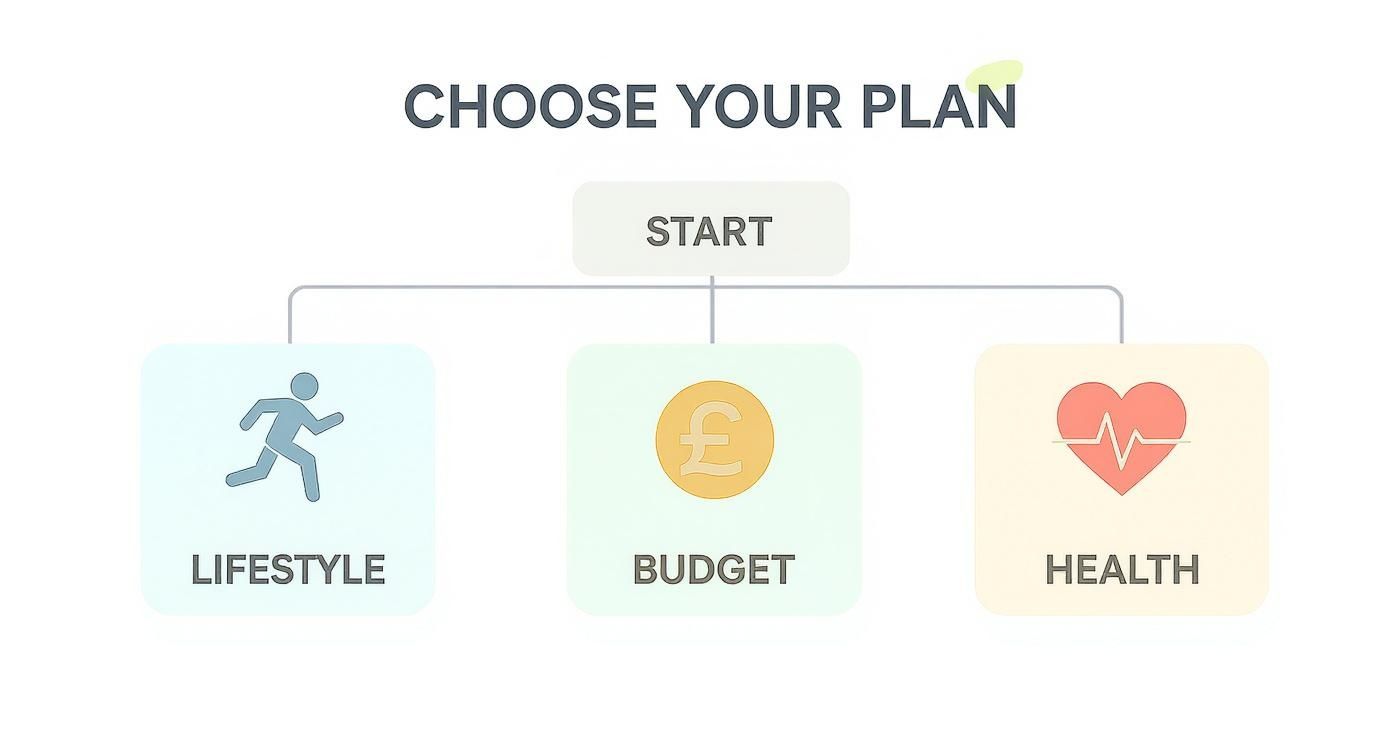
This decision tree nails a key point: the 'best' plan is always the one that fits your life, balancing what you can afford with the kind of health support that matters most to you.
Bupa: A Legacy of Comprehensive Care
Bupa is one of the most recognisable names in UK healthcare, and for good reason. They’re known for their massive hospital network and cast-iron promises on cancer care. Their plans are often the go-to for anyone looking for a traditional, robust insurance model that offers a real sense of security.
Their cancer cover, for example, is a major draw. On their comprehensive policies, Bupa often covers cancer treatment in full, including access to breakthrough drugs and therapies that might not be available on the NHS yet. For many, that promise alone provides incredible peace of mind.
Of course, this level of comprehensive support usually comes with a higher price tag. This is where lifestyle choices can complement the safety net Bupa provides. Maintaining a diet rich in antioxidants from fruits and vegetables is a scientifically proven lifestyle habit that can help reduce the risk of certain cancers, which works hand-in-hand with the high-quality treatment cover Bupa offers.
Bupa's Key Differentiator: Their real strength lies in an all-encompassing cancer care promise and one of the largest networks of hospitals and consultants in the UK. This gives their members an unparalleled level of choice and access.
AXA Health: A Focus on Mental Wellbeing
AXA Health has carved out a niche by putting mental health and musculoskeletal (MSK) support front and centre. They get that your mental and physical health are two sides of the same coin, and they’ve built their plans around that idea.
A standout feature is their focus on early intervention. Members can often pick up the phone and speak to a therapist or counsellor without needing a GP referral first. Getting that quick access can make all the difference when you're managing stress, anxiety, or a low mood before it spirals.
From a preventative health standpoint, this approach is spot-on. We know from numerous studies that regular aerobic activity, like 30 minutes of brisk walking five times a week, can be as effective as some medications for mild-to-moderate depression by boosting mood-lifting endorphins. AXA provides the professional support structure, while simple lifestyle habits can help you build your own resilience.
Aviva: Digital Innovation and Flexibility
Aviva has a reputation for being digitally savvy and highly flexible. They offer a huge range of policy options, which lets you tailor your cover much more precisely to fit your budget and what you actually need.
Their "Expert Select" hospital option is a great example of this. By agreeing to use a guided list of high-quality hospitals, members can bring their premiums down quite a bit. It’s a smart way to make private cover more affordable without skimping on the quality of care.
Aviva also makes great use of digital tools, like their Aviva DigiCare+ app, which can give you access to services like annual health checks and nutrition consultations. It’s all designed to encourage a more preventative mindset. You can use these tools to set personal health goals, like improving your diet to lower cholesterol through increased fibre and plant-based foods, and still have the reassurance of your policy if you need medical tests later on.
Vitality: The Wellness and Rewards Model
Vitality plays a completely different game to its competitors. Their whole philosophy is built on "shared value," where they actively reward you for living a healthier life through a genuinely impressive rewards programme.
You earn points for tracking your steps, getting health checks, and even for buying healthy food at the supermarket. Those points turn into real-world perks like free weekly coffees, cinema tickets, and big discounts on gym memberships and holidays. It effectively gamifies your health, making it more engaging to build positive habits.
This isn't just a gimmick; the approach is medically sound. By encouraging consistent exercise and healthier eating, Vitality directly helps its members lower their risk of chronic conditions like heart disease and type 2 diabetes. The rewards are a great hook, but the real benefit is the structured motivation to make lifestyle changes that will improve your wellbeing for years to come.
Vitality's Key Differentiator: Its unique wellness programme actively rewards members for healthy behaviours. This shifts insurance from being a passive safety net to an active partner in managing your day-to-day health.
So, who is the best insurer? It all comes down to what you prioritise. If a vast network and top-tier cancer cover are non-negotiable, Bupa is a very strong contender. If proactive mental health support is your main concern, AXA Health truly excels. For budget-friendly flexibility, Aviva offers brilliant customisation, and if you want your insurer to cheer you on in your wellness journey, Vitality’s model is in a league of its own.
Breaking Down Private Healthcare Costs
Before you can decide if private medical insurance is right for you, you need to get a handle on the numbers. The monthly premium isn't just a random figure; it’s carefully calculated based on who you are and what you want to be covered for. Getting to grips with these costs is the key to finding that sweet spot between solid protection and a price you can live with.
A few core factors drive the cost, no matter which insurer you look at. Your age is the big one—statistically, the older we get, the more likely we are to need medical care. Where you live also matters. Premiums in places like London are often higher because the private hospitals there simply charge more for treatment.
Of course, the level of cover you choose is a major cost driver. A basic plan that only covers you for a hospital stay (inpatient treatment) will be much lighter on your wallet than a comprehensive policy that includes everything from outpatient appointments and physiotherapy to advanced scans.
How Your Lifestyle Impacts Your Premiums
Insurers are paying more and more attention to your personal health habits, and it makes sense when you think about it. From their point of view, a healthier lifestyle means you're less likely to make a claim. This is great news because it means the positive changes you make can directly lower your costs over time.
Giving up smoking is probably the single biggest thing you can do to reduce your premium. Most insurers will offer a significant discount once you've been smoke-free for a year. Likewise, keeping a healthy weight through good diet and exercise can stop your premiums from climbing so quickly when it's time to renew.
Here are a few proven lifestyle changes that are good for both your health and your bank balance:
- Eat a Nutrient-Rich Diet: Sticking to whole foods like fruit, vegetables, and lean protein helps with weight management and lowers your risk of developing chronic illnesses like heart disease or type 2 diabetes. Specifically, aiming for a Mediterranean-style diet, rich in healthy fats and fibre, is well-supported by evidence for long-term health.
- Get More Active: Just 150 minutes of moderate exercise a week—think a brisk walk, a bike ride, or a swim—makes a huge difference to your heart health and general wellbeing by improving circulation and lowering blood pressure.
- Prioritise Your Sleep: Getting a solid 7-9 hours of quality sleep each night is vital for your immune system, cognitive function, and cellular repair. Poor sleep is scientifically linked to higher risks of obesity and heart disease, which can impact your premiums.
When you're looking at private healthcare, it's smart to also consider broader strategies for reducing healthcare costs in general. Being proactive about your health is the most powerful tool you have.
Insurance Premiums vs Self-Funding Costs
To really see the full financial picture, it helps to put the steady cost of insurance next to the potential one-off hit of paying for treatment yourself. While that monthly premium can feel like just another bill, it's your safety net against a cost that could otherwise be overwhelming.
Let's look at some real-world examples:
- A 35-year-old non-smoker living in Bristol might find a mid-tier policy for around £40-£60 per month, with a £250 excess.
- A family of four, with parents in their early 40s, could expect to pay somewhere between £150-£220 a month for a decent level of cover.
Now, let's compare that to paying for a common operation out of your own pocket. A private hip replacement can easily set you back £13,000 or more. Cataract surgery on a single eye usually falls in the £2,500-£4,000 range.
The real value of private medical insurance is that it turns a massive, unpredictable expense into a fixed, manageable monthly payment. It's a financial tool that buys you peace of mind.
When you see the numbers side-by-side, the logic becomes clear. The total you'd pay in premiums over several years can often be less than the bill for a single major operation. By looking after your health, you not only feel better but you also make your insurance more affordable—a win-win for your physical and financial health.
Choosing a Plan for Your Life Stage

The right healthcare plan isn't a one-size-fits-all solution. Your needs change as you move through life, so the cover that worked for you as a young professional won't necessarily be the best fit for a growing family or someone heading into retirement. A truly effective private healthcare comparison UK approach means matching your policy to where you are right now.
This is about looking past the glossy brochures and thinking about real-life situations. A family might need excellent paediatric care and broad outpatient cover for all those unexpected illnesses. A retiree, on the other hand, would probably prioritise rapid diagnostics and comprehensive cover for conditions like joint problems. When your plan aligns with your life, you get real value from it.
Young Professionals and Individuals
If you're in your 20s or 30s, private healthcare is usually about one thing: speed. You're building a career and have a busy social life, so waiting weeks for a GP appointment or physiotherapy session just isn't an option. Your health concerns are typically focused on acute conditions, sports injuries, and looking after your mental wellbeing.
A good plan for this stage should offer lightning-fast access to specialists and diagnostics. Comprehensive outpatient cover is non-negotiable—it lets you see a consultant or get an MRI without hitting a long NHS queue. Crucially, look for strong mental health support, as many modern policies now provide access to talking therapies without needing a GP referral first.
Preventative Health Tips for This Stage:
- Build a Routine: Get in 150 minutes of moderate exercise each week. Think brisk walking or cycling to lay a solid foundation for your long-term heart health.
- Manage Stress Head-On: Don't let work stress build up. Integrating mindfulness or meditation into your day can help lower cortisol levels and improve focus.
- Protect Your Sleep: Aim for 7-9 hours of quality sleep a night. It's vital for your mood, brain function, and immune system, and helps regulate appetite hormones.
Growing Families
The moment children come along, your healthcare priorities are turned upside down. Suddenly, you're not just thinking about your own health, but the wellbeing of your entire family. Top of the list is usually access to paediatric specialists, cover for common childhood illnesses, and appointments that can be squeezed in around school runs and work.
When comparing family plans, check the cover offered for dependants. Comprehensive outpatient benefits are even more critical now for dealing with everything from ear infections to skin issues. A virtual GP service can be a lifesaver, giving you quick advice from home when you need it most.
For families, a private health plan is about reassurance. It's the peace of mind that comes from knowing you can get your child seen by an expert quickly, cutting down on worry and getting them back on their feet sooner.
Active Retirees and Over 50s
As you enter your 50s and beyond, the focus naturally shifts towards managing long-term wellness and dealing with age-related conditions. You'll want rapid diagnostics to catch any serious issues early, robust cancer care, and cover for procedures like cataract surgery or joint replacements.
At this stage, a policy with a full cancer care promise and a wide choice of hospitals is invaluable. You'll also want to make sure the plan covers advanced diagnostics like CT and PET scans. It's well worth exploring specialist policies like Over 50s health insurance options that are designed with your specific needs in mind.
Preventative Health Tips for This Stage:
- Focus on Strength and Balance: Keep up with resistance training to maintain muscle mass (sarcopenia prevention) and consider activities like yoga or tai chi to improve proprioception and help prevent falls.
- Eat for Your Bones: Make sure your diet is packed with calcium-rich foods (like dairy, tofu, and leafy greens) and vitamin D to support bone density and reduce the risk of osteoporosis.
- Stay Socially Engaged: Keeping strong social connections is proven to boost mental and cognitive health as you get older, potentially delaying the onset of cognitive decline.
To make this clearer, let's look at how these different needs translate into practical policy choices.
Scenario-Based Private Healthcare Recommendations
The table below breaks down which features matter most at each life stage, helping you pinpoint a plan that genuinely works for you.
| Life Stage / Scenario | Key Healthcare Priorities | Recommended Policy Features | Preventative Health Tips |
|---|---|---|---|
| Young Professional (25-35) | Fast access to GPs/specialists, mental health support, sports injury treatment. | Comprehensive outpatient cover, virtual GP services, access to therapies. | 150 mins moderate weekly exercise, proactive stress management via mindfulness. |
| Growing Family (30-50) | Paediatric care, quick diagnostics for children, flexible appointment times. | Strong cover for dependants, full diagnostics, 24/7 digital GP access. | Balanced family nutrition, active weekends, regular family check-ups. |
| Active Retiree (55+) | Rapid cancer diagnosis/treatment, joint and eye surgery, chronic condition support. | Full cancer cover promise, choice of hospitals, cover for advanced diagnostics. | Strength & balance exercises, calcium and Vitamin D-rich diet, social engagement. |
Ultimately, choosing the right cover is about anticipating your needs and ensuring your policy is ready to meet them.
Common Questions About Private Healthcare
Stepping into the world of private medical insurance can feel a bit overwhelming, and it's natural to have questions. Getting clear, straightforward answers is the key to making a decision you feel good about. Here, we'll tackle some of the most frequent queries people have when comparing private healthcare options in the UK.
Think of this as your practical guide to understanding the finer details, so you can choose a plan that genuinely looks after your long-term health.
What’s Typically Not Covered by Private Medical Insurance?
Most UK policies have a standard set of exclusions, and it pays to know what they are from the start. Generally, you'll find that pre-existing conditions are not covered, at least for an initial period. The same goes for chronic illnesses like diabetes that need continuous management rather than short-term treatment.
Emergency services are another key point—A&E is always handled by the NHS. You'll also find that cosmetic surgery, organ transplants, and routine pregnancy and childbirth are usually outside the scope of cover. Always, always read the exclusion list in your policy document before signing up. On the flip side, many plans now include benefits for preventative health screenings, which are fantastic for catching potential issues early.
How Does Underwriting Affect My Healthcare Policy?
Underwriting is simply the process an insurer uses to look at your medical history and decide on the terms of your policy. You'll mainly come across two types.
-
Moratorium Underwriting: This is the most common approach. It automatically excludes any condition you've had symptoms, advice, or treatment for in the last five years. These exclusions typically last for the first two years of your policy. If you go that entire two-year period without any trouble from that condition, it can often be added to your cover.
-
Full Medical Underwriting (FMU): With FMU, you provide your complete medical history right at the beginning. The insurer reviews it and might place permanent exclusions on certain conditions from day one. It’s more admin upfront, but it gives you total clarity on what is and isn't covered from the moment your policy starts.
Are There Ways to Lower My Insurance Premiums?
Yes, absolutely. There are several smart ways to make your premiums more manageable. The most common tactic is to choose a higher policy excess—that’s the amount you agree to pay towards a claim. Just increasing your excess to £500 or £1,000 can make a real dent in your monthly payments.
Another option is to pick a "guided hospital list," which means you agree to use a specific network of pre-approved, high-quality hospitals. The "six-week option" is also popular; with this, you agree to use the NHS if their waiting list for your treatment is less than six weeks.
It's also worth noting that many insurers now reward healthy living. By staying active, maintaining a healthy weight, and not smoking, you can often earn discounts or rewards. This is a great way to align your financial wellbeing with your physical health, as these are all evidence-based methods for reducing your risk of future illness.
Is Employer-Provided or Individual Healthcare Better?
This really comes down to your personal situation, as both have their own pros and cons. A scheme through your employer is often cheaper because it's a group deal, and sometimes it will even cover pre-existing conditions without the usual underwriting hurdles. The catch? You have little to no say in the provider or cover level, and if you leave your job, you lose your insurance.
An individual plan, however, puts you in the driver's seat. You get to customise every detail to match your exact needs and priorities. This means you have consistent, reliable protection that moves with you, no matter where you work. For many, that long-term security offers invaluable peace of mind.
At The Lagom Clinic, we believe in giving you the knowledge to make proactive decisions about your health. Our private GP services in Bristol are designed to provide the personalised care and expert guidance you need to achieve your wellness goals. Whether you need a comprehensive health screening, lifestyle advice, or rapid access to diagnostics, we're here to support you. Discover a balanced approach to your health at The Lagom Clinic.


 Members Consultation