


Are you trying to eat more protein without relying on the same three meals, expensive powders, or heavily processed meat substitutes? That question comes up often in clinic, especially from people who want a vegetarian diet that works in real life, not just on paper.
The practical issue is rarely protein alone. It is whether your meals keep you full, support training or recovery, fit around work and family life, and still provide enough fibre, iron, calcium, and overall nutritional balance.
That is the approach worth taking here.
Busy professionals usually need fast staples they can prep once and use across several meals. Athletes need reliable options that support recovery and make it easier to spread protein across the day. Families need foods that are affordable, flexible, and acceptable to different appetites, including children who may reject anything that feels too obviously "healthy."
In practice, I also see people become so focused on protein grams that they miss the bigger drivers of health. Sleep, meal timing, strength training, fibre intake, and food quality all affect energy, appetite, muscle maintenance, and long-term metabolic health. If weight management is part of the goal, this guide for increasing protein for weight management is a helpful next read.
A good vegetarian eating pattern does not need to be complicated. It needs a core set of dependable foods you will buy, cook, and eat consistently. The foods below are useful because they do more than add protein. They can make meals more satisfying, help with blood sugar control, and support a balanced lifestyle you can maintain.
1. Lentils
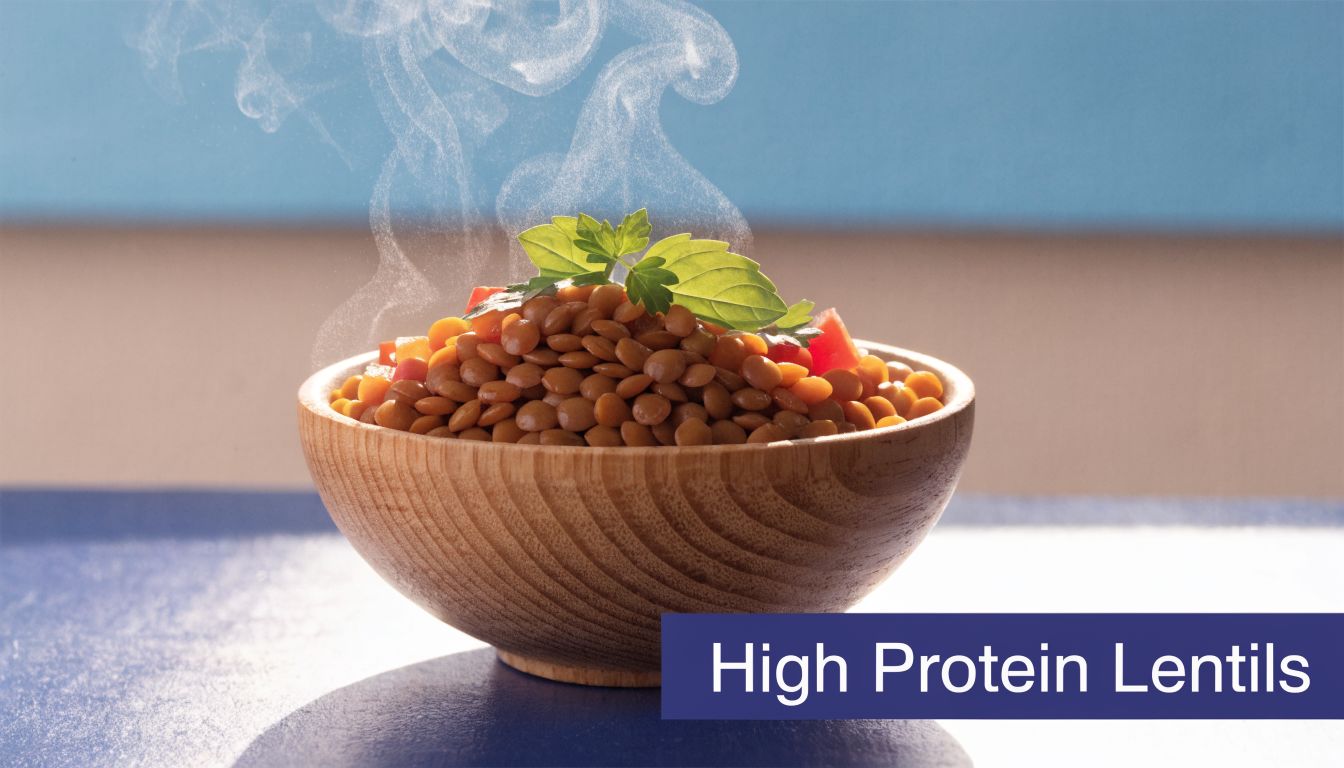
What makes a vegetarian staple worth relying on week after week? In practice, it needs to be affordable, filling, easy to cook, and flexible enough to suit lunch at work, dinner after training, or a family meal that does not trigger complaints from the table. Lentils meet that standard.
They are one of the most useful protein-rich plant foods because they also bring fibre, slow-release carbohydrate, and a texture that can make a meal feel substantial rather than worthy. As noted earlier, lentils provide a meaningful amount of protein per serving, but their real strength is how well they support appetite control and meal structure.
Best ways to use them
Choose the type based on the job. Red lentils cook quickly and soften into soups, dals, and pasta sauces, which makes them useful for busy professionals who need dinner on the table fast. Green and brown lentils keep more bite, so they work better in salads, grain bowls, and packed lunches. For athletes, that matters. A lentil-based meal is often easier to prepare in bulk and portion across the week than relying on more expensive protein products.
Lentils also deserve more credit in family cooking. They can stretch a chilli, thicken a soup, or replace part of the meat in a bolognese without changing the flavour too sharply. That is often a more realistic first step than asking everyone at home to accept a completely different style of meal overnight.
If iron status is a concern, serve lentils with vitamin C-rich foods such as tomatoes, peppers, or lemon. That combination can be especially helpful for vegetarians with fatigue, heavy periods, or a history of low iron stores.
- Fast work lunch: Lentil and vegetable curry portioned with brown rice or quinoa.
- Quick evening meal: Red lentil soup with onions, carrots, and tomatoes.
- Family-friendly dinner: Bolognese made with lentils and mince, or lentils alone if your household is ready for it.
Practical rule: A vegetarian meal is more likely to keep you satisfied when its protein and fibre come from the main ingredient, not a small topping.
The main drawback is digestion. If legumes are new to you, a large serving can cause bloating or discomfort. Start with a smaller portion, rinse canned lentils well, and increase gradually over a couple of weeks. Tolerance improves with regular intake rather than with an occasional oversized “healthy” meal.
2. Chickpeas
Need a protein source that survives a chaotic workweek, suits family meals, and still has a place in an athlete’s diet? Chickpeas are one of the most useful staples for that job. They are inexpensive, keep well, and move easily from lunchbox to dinner table without much effort.
Protein content varies a little by preparation, but chickpeas are a meaningful vegetarian protein source rather than a token topping. They also bring fibre, which helps with fullness and steadier energy through the afternoon. For busy professionals, that matters as much as the protein itself. A lunch that looks healthy but leaves you hungry by 3 pm is rarely sustainable.
The practical mistake is portion size. A tablespoon scattered over salad will not do much. Build the meal around chickpeas instead, then add vegetables, healthy fats, and a carbohydrate source that suits your day.
Families usually do well with chickpeas because the flavour is mild and easy to adapt. They can go into curries, traybakes, soups, pasta dishes, or mashed sandwich fillings without making the whole meal feel unfamiliar. That makes them a realistic step for households trying to eat less meat without cooking separate dinners.
For athletes, chickpeas are helpful but not always ideal on their own straight after training. They are filling, which can be a downside if appetite is low after a hard session. In that setting, pairing them with Greek yoghurt, tofu, or another soy food often works better. If you want more ideas for combining protein with sensible carbohydrate intake, this guide to high-protein low-carb meals gives a useful starting point.
- Fast office lunch: Chickpea salad with cucumber, tomatoes, feta, olive oil, and lemon.
- Reliable family dinner: Chickpea and spinach curry with rice.
- Better snack: Hummus with peppers, carrots, and wholegrain crackers.
Canned chickpeas are convenient and nutritionally sound. Rinse them well to improve flavour and wash off some of the excess salt from the canning liquid. If you cook them from dry, they are often cheaper and the texture is better, but that only helps if you will plan ahead and use them.
Soy foods usually provide a more concentrated protein serving, which is one reason I often suggest mixing protein sources across the week rather than relying on one. If you are comparing options, Shopifarm's plant information is a useful reference point for soy beans and related foods.
Practical rule: Chickpeas work best as a base ingredient, not a garnish.
One final trade-off is digestion. Chickpeas can cause bloating in people who are not used to legumes, especially if the first serving is large. Start with a smaller portion, rinse canned chickpeas thoroughly, and increase gradually. Many find they tolerate them far better once they are a regular part of meals rather than an occasional “healthy” extra.
3. Tofu
What if the problem with tofu is not tofu at all, but how it is cooked?
Tofu earns its place in any list of high protein vegetarian foods because it is practical, adaptable, and easy to build into ordinary meals. I often suggest it to patients who want a reliable protein option that can work for a quick desk lunch, a post-gym dinner, or a family meal without requiring a separate recipe for each person.
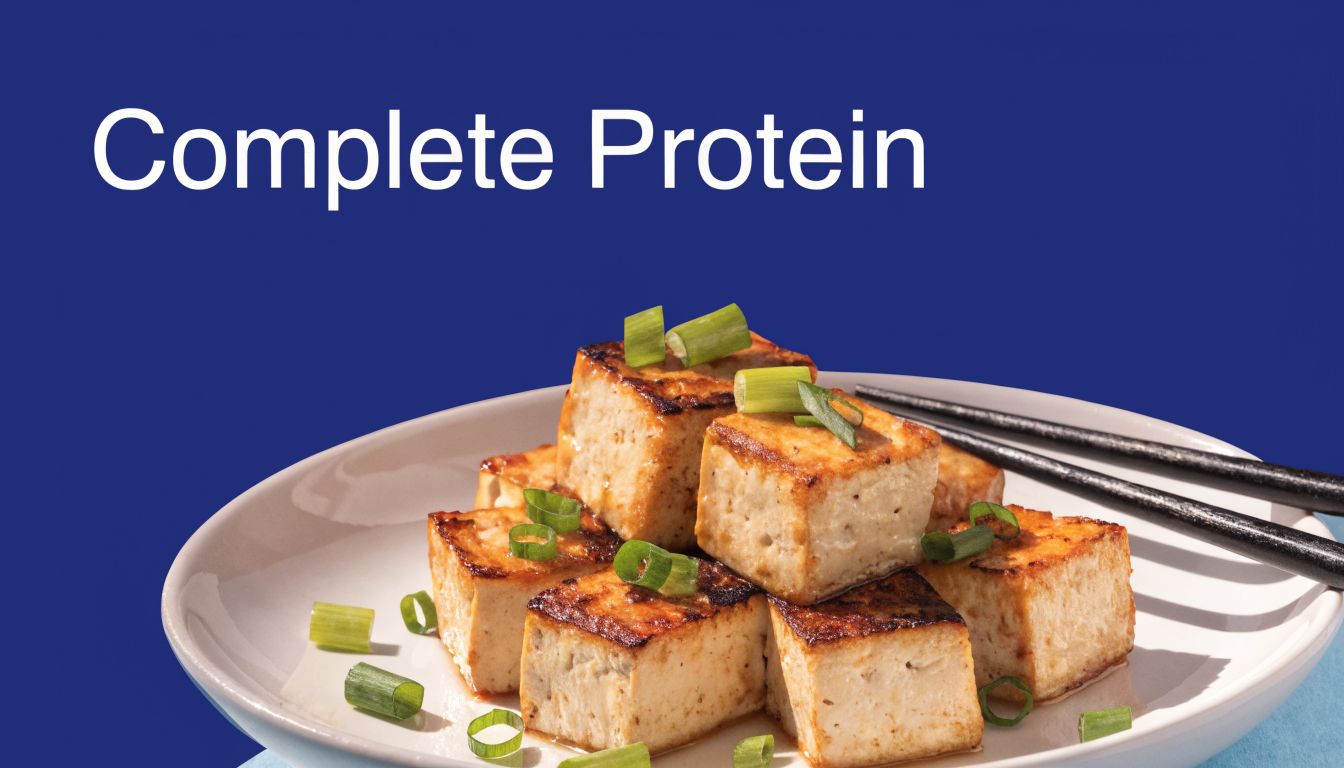
The main trade-off is texture. Firm and extra-firm tofu suit stir-fries, tray bakes, wraps, and grain bowls because they hold their shape well. Silken tofu does a different job. It works in smoothies, soups, sauces, and desserts, and it will fall apart if you try to treat it like a block for frying.
Small cooking changes make the biggest difference. Press firm tofu for a short time if you want a denser bite. Pat it dry, season it properly, and use a little cornflour if you want crisp edges from the pan or oven. Soy sauce, garlic, ginger, lime, and a touch of sesame oil are dependable starting points, but the main goal is matching the flavour to the meal rather than hoping tofu will carry the dish on its own.
For busy professionals, tofu is useful because it cooks quickly and keeps well in the fridge once prepared. For athletes, it fits easily into a recovery meal with rice, noodles, or potatoes and vegetables. For families, it often goes down better when cut small and added to familiar dishes such as curry, noodle bowls, or fajitas instead of being served as a large plain slab.
One realistic option is a tofu stir-fry with frozen vegetables, a wholegrain carb, and a ready-made sauce with a sensible ingredient list. That kind of meal is repeatable on a Wednesday evening, which matters more than a perfect recipe you make once. If you want ideas that keep protein high without making meals heavy, our guide to high-protein low-carb meal ideas is a useful next read.
Some people also care about how soy is grown and processed, not just the nutrition. That is a reasonable consideration, especially if you are trying to build an eating pattern that fits your values as well as your health goals. For a simple background on the source food itself, Shopifarm's plant information is a helpful primer.
4. Tempeh
Need a vegetarian protein that keeps you full through a long afternoon?
Tempeh is often the answer for people who want more chew, more savoury depth, and less of the soft texture that puts them off tofu. Made from fermented whole soybeans, it feels more like a central part of the meal than an add-on. In practice, that matters. A food can look good on paper and still fail if no one wants to cook it twice.
When tempeh is the better choice
Tempeh suits meals where structure matters. It holds up well in strips, cubes, or crumbles, so it works in grain bowls, sandwiches, stir-fries, tacos, and traybake dinners without falling apart. For busy professionals, that makes lunch easier to plan. For athletes, it gives a more substantial base for recovery meals with rice, potatoes, or noodles. For families, it can slot into familiar dishes without announcing itself as a “health food”.
There is a trade-off. Plain tempeh can taste earthy, and some brands have a slight bitterness if cooked straight from the packet.
A simple fix helps. Steam it for a few minutes first, then marinate it before pan-frying, roasting, or air-frying. I often suggest soy sauce, lime, maple, garlic, and ginger, or a tomato and smoked paprika mix if the meal is heading towards chilli, wraps, or pasta. The goal is not to mask the flavour completely. It is to season it well enough that the texture becomes the main selling point.
A few realistic uses:
- For busy professionals: Fill wraps with tempeh strips, bagged slaw, and a quick yoghurt or tahini dressing.
- For athletes: Add tempeh to a rice bowl with roasted vegetables and a source of colour such as peppers or edamame.
- For families: Crumble it into a tomato-based sauce for tacos, burritos, or pasta bakes.
Many vegetarian meals fall short because they are light on protein, low in fibre, or rely on snacks instead of a proper meal. Tempeh helps address all three. It is a strong option for people who want a plant-based pattern that supports energy, training, and family life without making dinner more complicated.
5. Greek Yogurt
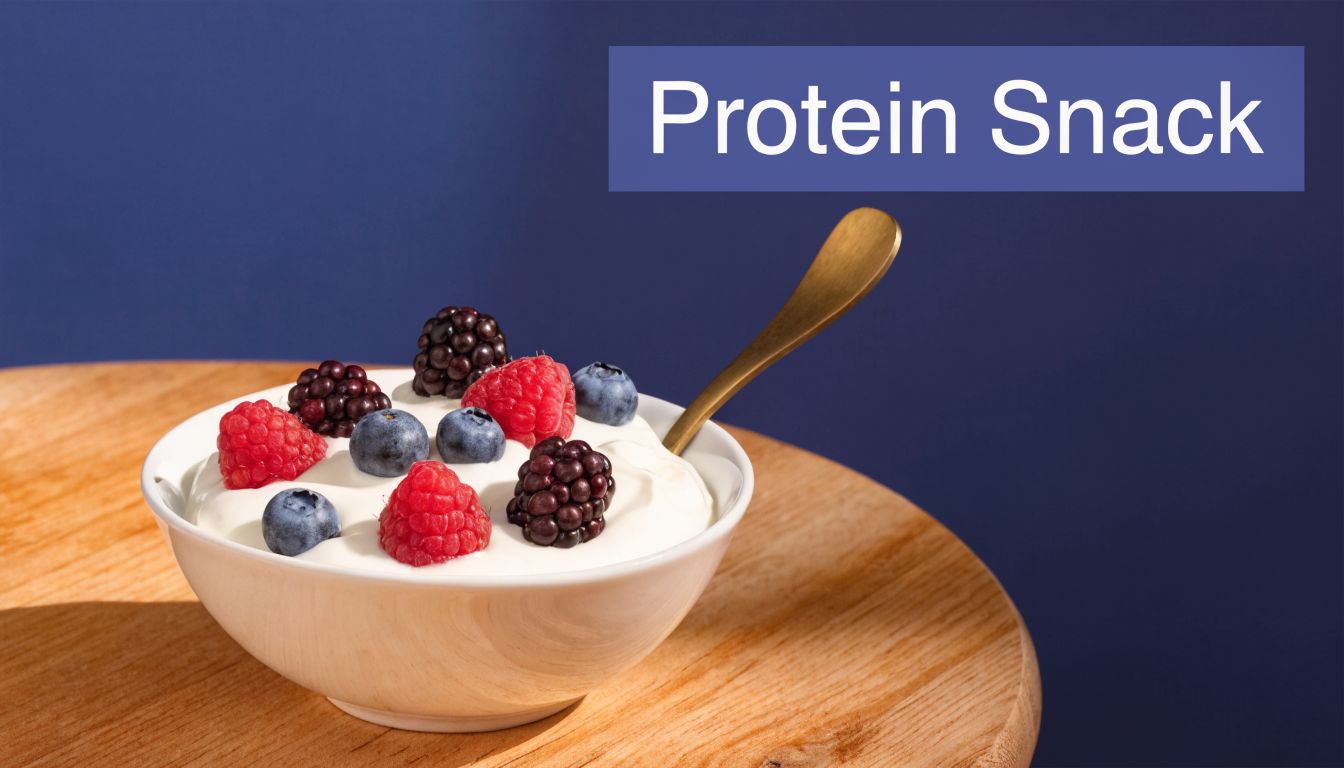
Greek yogurt is one of the most convenient high protein vegetarian foods because it needs no prep at all. That sounds obvious, but convenience often determines whether good intentions survive a busy week.
It also suits people who aren’t fully plant-based and want an easy breakfast or recovery option. Plain Greek yogurt can work in sweet meals, savoury meals, or as part of cooking. That flexibility is useful if you’re trying to improve protein intake without overhauling your entire diet.
Best uses beyond breakfast
A lot of people only think of yogurt with fruit, but it’s more useful than that. Mix it into overnight oats. Use it in tzatziki. Stir it into a curry after cooking for creaminess. Add it to a smoothie if you need something quick after exercise but don’t want a heavy meal.
For families, Greek yogurt can be one of the easiest swaps in the kitchen. It works in place of creamier dressings, as a topping for baked potatoes, or as a dip for cut vegetables. Those small swaps help raise protein quality across the day without making meals feel “diet-focused”.
The trade-off is that many flavoured yogurts look healthy but contain a lot of added sugar. If you want the benefits without turning it into dessert, buy plain yogurt and add your own fruit, cinnamon, or nuts.
A high-protein breakfast doesn’t need to be cooked. Greek yogurt with berries, seeds, and oats is often more realistic than promising yourself an elaborate weekday breakfast you’ll never make.
If dairy doesn’t suit you, this isn’t the right anchor food. Move to soy-based options instead. Better to choose a food your gut tolerates well than force one because it looks ideal on paper.
6. Quinoa
Quinoa earns its place because it does two jobs at once. It gives you a useful amount of protein while still working as a grain base for meals that need to satisfy you for more than an hour or two.
That matters in vegetarian eating. Many people build meals around refined carbs, then add a token salad or a small amount of protein and wonder why they are hungry again by mid-afternoon. Quinoa helps correct that pattern, especially when it is paired with beans, tofu, eggs, yogurt, or cheese rather than used on its own.
Where quinoa works best
For busy professionals, quinoa is one of the better batch-cooking staples because it holds up well in the fridge and works hot or cold. For families, it can be served alongside familiar foods instead of asking everyone to accept a dramatic diet change. For athletes, it is a practical recovery carbohydrate that also strengthens overall protein intake. If you are training regularly, our guide to best foods for muscle recovery covers combinations that make post-exercise meals more effective.
Rinse it before cooking. That removes the bitter coating that puts some people off. Then cook enough for several meals, because quinoa is far more useful when it is ready to use on a Tuesday lunch break than when it is still dry in the cupboard.
A few realistic ways to use it:
- Packed lunch: Quinoa with chickpeas, cucumber, roasted peppers, herbs, and feta.
- Family dinner base: Serve it with roasted vegetables and a protein such as tofu, eggs, or grilled halloumi.
- Training day meal: Quinoa with tempeh or tofu, olive oil, and colourful veg.
- Breakfast option: Warm quinoa with milk or fortified plant milk, fruit, and seeds.
The trade-off is price. Quinoa usually costs more than rice, couscous, or oats, so it makes sense to use it where it adds clear value. In practice, that often means keeping it for lunches, recovery meals, or mixed grain dishes rather than forcing it into every meal.
7. Hemp Seeds
Hemp seeds are not a main meal protein. They’re an upgrade ingredient. That distinction matters, because many people sprinkle seeds onto a meal and assume they’ve solved protein intake. They haven’t. What hemp seeds do well is add extra protein, healthy fats, and texture with almost no effort.
They fit particularly well into breakfasts and snacks. If you’re the kind of person who always means to eat better but defaults to toast or coffee until lunchtime, hemp seeds can improve what you’re already eating without much friction.
Where they actually earn their place
Use hemp seeds where they disappear easily. Add them to porridge, overnight oats, yogurt, smoothies, or soup just before serving. They’re also useful on avocado toast, though that still won’t make toast alone a balanced meal.
For busy professionals, I’d rather see hemp seeds added to a proper breakfast than carried around as a wellness product that never gets used. For parents, they can be stirred into family foods subtly and consistently.
- Low-effort breakfast: Greek yogurt, berries, oats, and hemp seeds.
- Quick smoothie: Banana, milk or fortified plant milk, nut butter, and hemp seeds.
- Lunch add-on: Sprinkle over tomato soup or a grain bowl.
Store them in the fridge because their fats can go rancid. That’s a practical point many people miss. Buy a reasonable amount, use it regularly, and replace it when needed. Seeds are helpful, but they’re not magic. They work best as part of a meal built on more substantial protein foods.
8. Nutritional Yeast
Nutritional yeast is one of those ingredients that sounds niche until you start using it. Then it becomes a fixture in the cupboard. It’s especially useful if you want more high protein vegetarian foods that also improve flavour, because many people abandon healthier eating when food becomes bland.
The appeal isn’t just protein. It adds an umami, savoury, slightly cheesy note that can make simple meals far more satisfying. That’s valuable for anyone cutting back on ultra-processed snacks or relying less on cheese.
Best for flavour-led eating
Sprinkle it over pasta, soups, popcorn, roast vegetables, or eggs if you eat them. Stir it into dressings and sauces. Blend it into bean dips. It’s one of the easiest ways to make a modest vegetarian meal taste more complete.
For vegetarians, fortified versions can also be useful, particularly if you’re being more careful about B12 intake. Check the label, because products vary and not all are fortified in the same way.
Kitchen shortcut: If a bean-based or vegetable-based meal tastes flat, add acid first, then salt if needed, then nutritional yeast. That sequence often fixes the problem.
The trade-off is taste tolerance. Some people love it immediately. Others find the flavour odd at first. Start small. A little mixed into soup or sauce is usually more successful than pouring it heavily over everything.
For professionals who eat lunch at a desk, nutritional yeast can make meal-prep staples such as pasta salad, grain bowls, or soups more appealing. If healthy food tastes better, you’re more likely to keep eating it.
9. Pumpkin Seeds
Pumpkin seeds are one of the most practical portable high protein vegetarian foods. They keep well, travel well, and can rescue a meal that’s otherwise short on substance. They’re particularly useful for people who routinely end up hungry between meals and then grab whatever’s nearby.
They also bring texture. That may sound minor, but texture helps satisfaction. Meals with crunch often feel more complete than soft, samey vegetarian bowls that all blur together.
A better use than random snacking
Pumpkin seeds can work as a snack, but I prefer using them to improve meals. Scatter them over soup, salads, grain bowls, or yogurt. Blend them into pesto or a seed butter. Add them to homemade trail mix if you need something shelf-stable for commuting or long clinic days.
If you’re trying to manage weight, portion awareness matters. Seeds are nutritious, but they’re dense. Use them intentionally rather than eating from a large bag while working.
- Desk drawer option: Keep a small container for emergencies instead of relying on biscuits.
- Family supper add-on: Sprinkle over butternut squash soup or a bean chilli.
- Lunch upgrade: Add to couscous or quinoa salad for crunch and staying power.
A common mistake is overestimating what seeds can do alone. They support a meal. They don’t replace the need for a stronger protein base if the rest of the plate is light. Think of pumpkin seeds as reinforcement, not the entire structure.
10. Spirulina and Chlorella
Could a small scoop of algae powder improve a vegetarian diet, or does it usually become an expensive habit that fades after a week?
Spirulina and chlorella are concentrated foods, usually sold as powders, tablets, or capsules. They can add some protein and micronutrients in a very small volume, which is why they appeal to athletes, busy professionals, and anyone who wants something quick. The catch is that they are rarely used in large enough amounts to serve as the main protein source in a meal.
That practical point matters. A spoonful in a smoothie may top up overall intake, but it will not do the job of tofu, yogurt, lentils, or tempeh at lunch or supper.
Who they suit and where they fall short
These products work best for people who already have a routine. An athlete with a post-training smoothie habit may use spirulina consistently. A time-pressed professional may find tablets easier on rushed mornings than preparing a protein-rich breakfast from scratch. In families, they are usually less useful. The flavour can be strong, children often reject it, and it is harder to build into shared meals than beans, eggs, or dairy.
I usually frame algae powders as optional extras, not nutritional insurance. If the basics are poor, adding spirulina will not fix a diet built around skipped meals and convenience snacks.
Quality also deserves more attention here than it does with staple foods. Choose reputable brands that test for purity and contaminants. If you have thyroid disease, are pregnant, take regular medication, or have a long-term medical condition, check with a clinician before using concentrated algae supplements.
A realistic use looks simple. Add a small amount to a smoothie, stir it into a yogurt-based drink, or use tablets if taste is the main barrier. If you dislike it, do not force it. Consistency beats good intentions.
The best supplement is one that fits safely into real life. For many people, regular meals built around lentils, tofu, yogurt, or eggs will contribute more to long-term health than a green powder used twice and forgotten.
Top 10 High-Protein Vegetarian Foods Comparison
| Item | Implementation complexity | Resource requirements | Expected outcomes | Ideal use cases | Key advantages |
|---|---|---|---|---|---|
| Lentils | Low, quick-cooking (15–30 min) varieties available | Very affordable; shelf-stable; minimal equipment | High protein (~25g/cup), high fibre, iron, low GI | Meal prep, soups, curries, salads | Cost-effective, versatile, long shelf life, sustained energy |
| Chickpeas (Garbanzo Beans) | Medium, canned ready, dried require soaking/cooking | Affordable; canned or dried; may need soaking/time | ~15g protein/cup, high fibre, resistant starch (prebiotic) | Hummus, roasted snacks, salads, curries | Versatile preparations, high satiety, gut-supporting |
| Tofu (Soy Curd) | Low, ready-to-cook; quick stir-fries (10–15 min) | Moderate cost; refrigeration; shorter shelf life | Complete protein (15–20g/200g), low cal, iron/calcium | Stir-fries, scrambles, marinades, quick meals | Complete amino acids, adaptable, fast prep |
| Tempeh | Low–Medium, minimal prep (steam/marinate); grills quickly | Less widely available; refrigerated; higher cost | High protein density (≈19g/100g), fermented, probiotic benefits | Grilled steaks, crumbles, nutrient-dense meals | Fermentation improves digestibility; substantial texture |
| Greek Yogurt | Very low, ready-to-eat, no prep | Moderate cost; refrigeration; dairy considerations | 15–20g/150g, probiotics, calcium, good recovery profile | Breakfast, post-workout, quick snacks | Convenience, probiotics, high protein per serving |
| Quinoa | Low, quick cook (≈15 min) after rinsing | Moderate cost; shelf-stable; rinse required | Complete protein (~8g/cup), fibre, minerals, gluten-free | Grain bowls, salads, quick sides, breakfast porridge | Complete plant protein, quick cook, versatile |
| Hemp Seeds | Very low, sprinkle raw, no cooking | Relatively expensive; store cool to prevent rancidity | ~10g/3 tbsp, complete amino acids, omega‑3:omega‑6 fats | Toppings for yogurt, smoothies, salads | Superior omega ratio, nutrient-dense, minimal prep |
| Nutritional Yeast | Very low, sprinkle or mix, no prep | Moderate cost; shelf-stable; fortified varieties available | ~8g/2 tbsp, fortified B vitamins (often B12), umami flavour | Seasoning, popcorn, pasta, B12 fortification for vegetarians | Provides B12 (when fortified), cheesy flavour, portable |
| Pumpkin Seeds (Pepitas) | Very low, ready-to-eat or light roast | Affordable in bulk; shelf-stable but store cool | ~9g/¼ cup, very high magnesium, zinc, iron | Portable snack, salads, trail mix, seed butter | Mineral-dense, portable, supports immune & energy |
| Spirulina & Chlorella | Very low, powder or tablets; mix into foods | Expensive; requires careful third-party tested sourcing | 3–5g/tbsp, dense B vitamins, iron, antioxidants | Smoothies, supplements, pre-workout boosts | Extremely nutrient-dense in minimal volume; compact supplement |
Building Your High-Protein Vegetarian Meal Plan
How do you build a high-protein vegetarian diet that still works on a full calendar, a family budget, and a normal appetite?
Start with repeatable meals, not perfect ones. The best plan is one you can shop for quickly, cook without much thought, and keep using on a busy Wednesday. In clinic, that usually means choosing a small set of protein staples and giving each one a job in the week. Lentils for batch-cooked lunches. Tofu or tempeh for two evening meals. Greek yogurt for breakfast or recovery. Seeds for quick top-ups.
That approach works because it reduces friction. It also makes it easier to cover the rest of the picture: fibre, iron, calcium, healthy fats, and enough total energy to feel well.
A practical meal structure looks like this:
- Pick one main protein source at each meal: lentils, chickpeas, tofu, tempeh, Greek yogurt, or quinoa paired with another protein food.
- Add a steady carbohydrate source: oats, rice, potatoes, wholegrain bread, or pasta.
- Build in plants for volume and fibre: vegetables, fruit, herbs, beans, and salads.
- Finish with fats and flavour: olive oil, pumpkin seeds, hemp seeds, nuts, tahini, or yogurt-based dressings.
For busy professionals, the main challenge is reactive eating. Long gaps between meals often lead to low-protein lunches, late snacking, and oversized dinners that still do not feel especially nourishing. Keep a short rotation of five meals you can make almost on autopilot. A chickpea grain bowl, tofu stir-fry, lentil soup, Greek yogurt breakfast pot, and quinoa salad will cover a lot of ground. If the ingredients are already in the house, you are far more likely to eat well.
Athletes and active adults need a bit more structure. The common problem is not vegetarian eating itself. It is underplanning. Training increases the need for total energy, regular meals, and protein spread across the day, especially around sessions. In practice, that might mean yogurt or tofu at lunch, a protein-rich snack after training, and a proper evening meal instead of trying to catch up at dinner. Some people do well with whole foods alone. Others benefit from adding a powder for convenience, especially after early training or during heavier blocks. If you want a broader look at supplements and powders alongside whole foods, this guide to finding your ideal plant protein can help you compare options sensibly.
For families, familiarity matters. Meals tend to land better when they resemble food everyone already knows how to eat. Lentil bolognese, mild chickpea curry, tofu noodles, baked potatoes with yogurt and seeds, or soup with bread are usually easier wins than introducing several unfamiliar ingredients at once. Children often accept a new protein more readily when the rest of the meal feels predictable.
There are trade-offs. Legumes are affordable and filling, but some people need smaller portions at first if bloating is an issue. Tofu and tempeh are useful for protein density, but not every household enjoys the texture straight away. Greek yogurt is convenient and high in protein, though it will not suit those avoiding dairy. Spirulina, chlorella, and nutritional yeast can add value, but they should support a good diet rather than compensate for a poor one.
Personalisation matters here.
Some patients need more attention to iron, B12, appetite, digestion, blood sugar stability, or sports recovery. Others need a plan that survives commuting, childcare, or shift work. A good vegetarian meal plan should support energy, muscle maintenance, mood, and long-term health, while still feeling realistic enough to repeat next week.
If you’d like personalized guidance on vegetarian nutrition, weight management, sports performance, blood testing, or a broader lifestyle plan, book a consultation with The Lagom Clinic. We take a practical, whole-person approach and help patients in Bristol build sustainable habits that work in real life.


 Members Consultation