


In today's professional landscape, prioritising health and safety is not just a regulatory requirement; it's the cornerstone of a thriving, productive, and resilient workforce. Beyond ticking boxes, a genuine commitment to wellbeing transforms a workplace by fostering healthier habits that reduce absenteeism, boost morale, and prevent both injury and chronic illness. This guide moves beyond generic advice, offering eight scientifically-grounded, actionable workplace health and safety tips focused on lifestyle changes and proactive health management.
We'll explore crucial lifestyle changes and organisational strategies that empower everyone to cultivate an environment where they can perform at their best. From ergonomic adjustments that prevent chronic pain to robust mental health support systems, these insights are designed for immediate implementation. To ensure clarity and consistency in your safety protocols, a fundamental step is learning how to write a Standard Operating Procedure effectively. This detailed list provides practical steps to foster a culture of proactive care and lasting wellness, ensuring your team is both safe and supported. Each point offers specific details to help build a comprehensive health framework tailored to the unique demands of modern work.
1. Personal Protective Equipment (PPE) Compliance
Personal Protective Equipment (PPE) represents the final barrier between a worker and a potential workplace hazard. It encompasses specialised clothing and equipment, from hard hats to respirators, designed to minimise exposure to physical, chemical, or biological risks that cannot be completely eliminated. For businesses in Bristol, from construction sites to advanced manufacturing hubs, ensuring strict PPE compliance is a cornerstone of preventing immediate physical injury.
This proactive approach is a fundamental commitment to employee wellbeing. Proper PPE use drastically reduces the incidence and severity of occupational injuries and illnesses, safeguarding your team's health and ensuring operational continuity.
How to Implement Effective PPE Programmes
An effective PPE programme goes far beyond simply handing out equipment. It requires a structured, ongoing effort to integrate its use into the daily work culture.
- Conduct Thorough Risk Assessments: Identify specific hazards in your workplace to determine the exact type of PPE required for each task. This ensures the equipment provided is appropriate for the risk.
- Prioritise Training and Fit-Testing: Regularly train employees on the correct way to wear, remove, and maintain their PPE. For equipment like respirators, professional fit-testing is crucial to guarantee an effective seal and proper protection.
- Involve Your Team: When selecting new PPE, involve the employees who will be using it. Considering factors like comfort and practicality significantly increases the likelihood of consistent and correct usage.
- Establish Clear Policies: Create and communicate clear guidelines for PPE inspection, maintenance, and replacement schedules. Damaged or worn-out equipment offers compromised protection and must be replaced immediately.
Key Health Tip: While PPE protects you from external hazards, it's crucial to also protect your body from within. Ensure you stay well-hydrated throughout the day, especially when wearing restrictive or heat-retaining PPE, to prevent dehydration and heat stress.
2. Ergonomic Workplace Design
Ergonomic workplace design focuses on creating work environments that are adapted to the worker, not the other way around. This involves thoughtfully arranging workstations to fit the physical capabilities of employees, significantly reducing strain and preventing musculoskeletal disorders (MSDs). For Bristol’s diverse economy, from tech start-ups to logistics centres, implementing ergonomic principles is a proactive investment in long-term physical health.
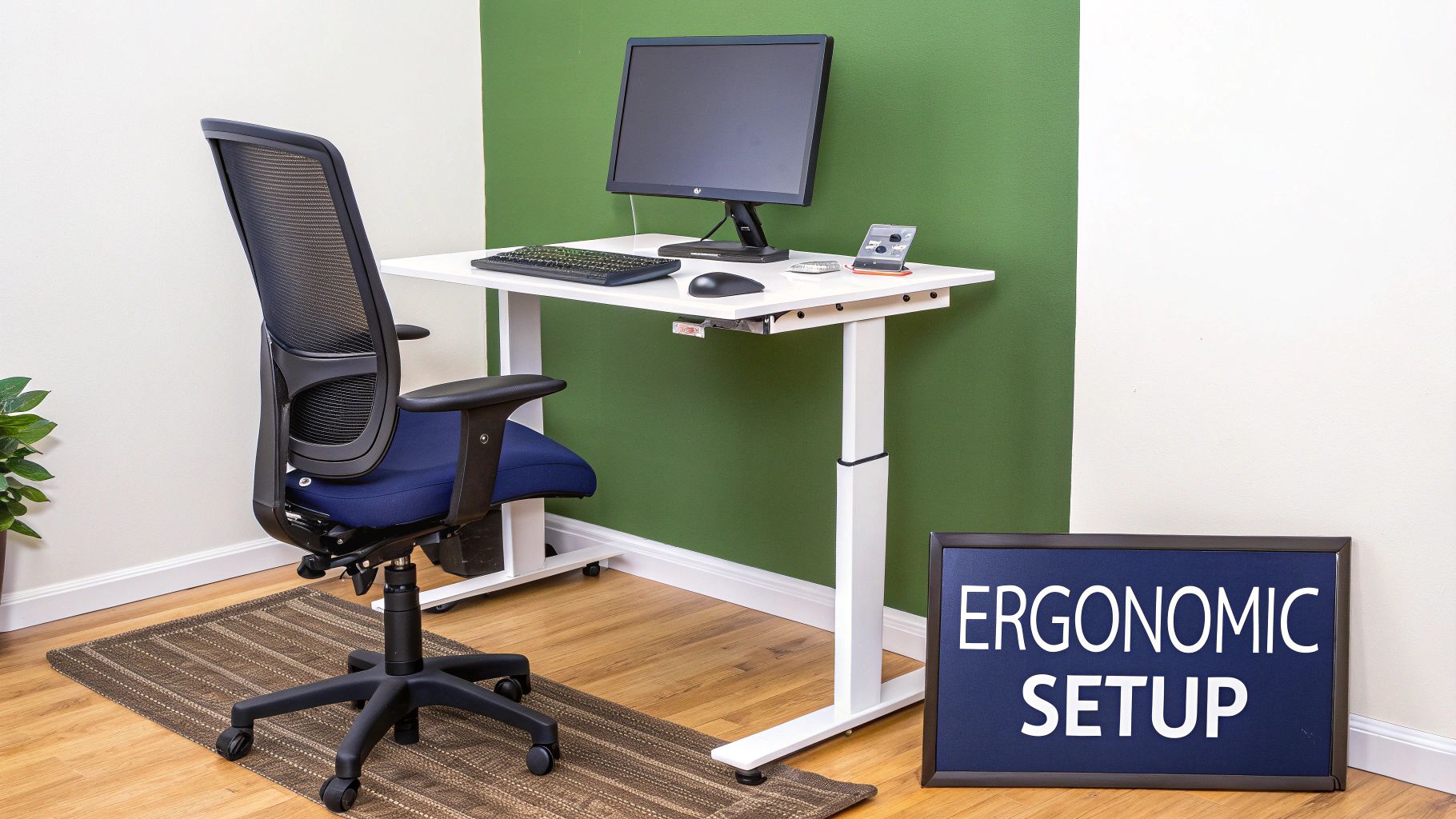
This strategic approach is a scientifically grounded method for optimising wellbeing. Good ergonomics reduces the risk of repetitive strain injuries, back pain, and other common workplace ailments, leading to fewer sick days and higher morale.
How to Promote Better Ergonomic Health
An effective ergonomics programme requires a holistic view of the work environment and promotes healthy lifestyle habits. It’s an ongoing process of assessment, adjustment, and education.
- Conduct Ergonomic Risk Assessments: Systematically evaluate workstations and job roles to identify risk factors like awkward postures or repetitive motions. This forms the basis for targeted improvements.
- Provide Adjustable Equipment: Invest in adjustable chairs and sit-stand desks to allow employees to customise their setup. Empower individuals to find a posture that is right for their body.
- Encourage Regular Movement: Promote the "20-20-20" rule for screen-based work: every 20 minutes, look at something 20 feet away for 20 seconds to reduce eye strain. Encourage taking short breaks every hour to stand, stretch, and walk around.
- Educate on Neutral Posture: Teach employees how to maintain a neutral spine, keep their wrists straight, and ensure their feet are flat on the floor or a footrest. This simple awareness can prevent chronic pain.
Key Health Tip: A crucial lifestyle change is incorporating movement into your workday. Instead of emailing a colleague nearby, walk over to their desk. Take the stairs instead of the lift. These small activities combat the negative health effects of a sedentary job.
3. Regular Safety Training and Education
Effective workplace health and safety tips are built on a foundation of knowledge. While formal safety training provides the skills to follow procedures and respond in an emergency, true health promotion involves educating employees on lifestyle choices that enhance their overall wellbeing, making them more resilient and alert at work.
This goes far beyond a simple induction day briefing; it involves continuous learning about nutrition, sleep, and stress management. A well-informed workforce is not only safer but also healthier, more confident, and more efficient, knowing they have the tools to manage their personal health and protect their colleagues.
How to Implement Effective Health and Safety Education
A successful education programme is dynamic and engaging, ensuring that crucial health and safety information is not just delivered, but also applied in daily life.
- Host Health & Wellness Workshops: Offer sessions on topics like healthy meal prepping for busy schedules, the importance of sleep hygiene, and techniques for managing stress.
- Use Interactive Methods: Move beyond static presentations. Incorporate practical demonstrations, such as proper lifting techniques to protect the back, or guided stretching sessions that can be done at a desk.
- Promote Healthy Habits: Launch workplace wellness challenges focused on increasing daily steps, improving hydration, or encouraging balanced meals. This fosters a supportive community around healthy lifestyle changes.
- Conduct Regular "Toolbox Talks": Hold brief, informal meetings to discuss a specific health tip, like the benefits of a balanced breakfast for sustained energy or recognizing the signs of fatigue.
Key Health Tip: Prioritise 7-9 hours of quality sleep per night. Lack of sleep is scientifically linked to impaired cognitive function, slower reaction times, and an increased risk of workplace accidents. Improving your sleep hygiene is one of the most effective safety measures you can take.
4. Hazard Identification and Risk Assessment
Hazard Identification and Risk Assessment is the bedrock of a proactive health and safety strategy. It involves systematically identifying potential workplace dangers and implementing robust control measures. However, a modern approach also includes assessing health risks, such as high stress levels, fatigue, and poor nutrition, which can directly contribute to safety incidents.
This methodical approach moves safety management from a purely reactive model to a preventive one. By understanding the specific lifestyle and environmental risks impacting their workforce, organisations can allocate resources effectively to protect their team's long-term health.
How to Implement a Holistic Risk Assessment
A successful assessment programme is a continuous cycle. It requires diligence and active participation to identify both physical and health-related risks.
- Train Your Team on Health Risks: Equip employees to recognise the signs of burnout and fatigue in themselves and their colleagues. Involve them in identifying workplace stressors.
- Utilise Health Risk Questionnaires: Anonymously survey staff on topics like stress levels, sleep quality, and dietary habits to identify common health challenges that could impact workplace safety.
- Encourage Reporting of Health Concerns: Implement a confidential system where employees can report concerns about overwhelming workloads or other stressors, allowing you to address these issues before they lead to burnout or accidents.
- Review and Revise: Conduct fresh assessments when workplace changes occur, and use data from health assessments to develop targeted wellness initiatives, such as stress management workshops or nutrition seminars.
This visual flow illustrates the core, three-stage process for systematically managing workplace risks.
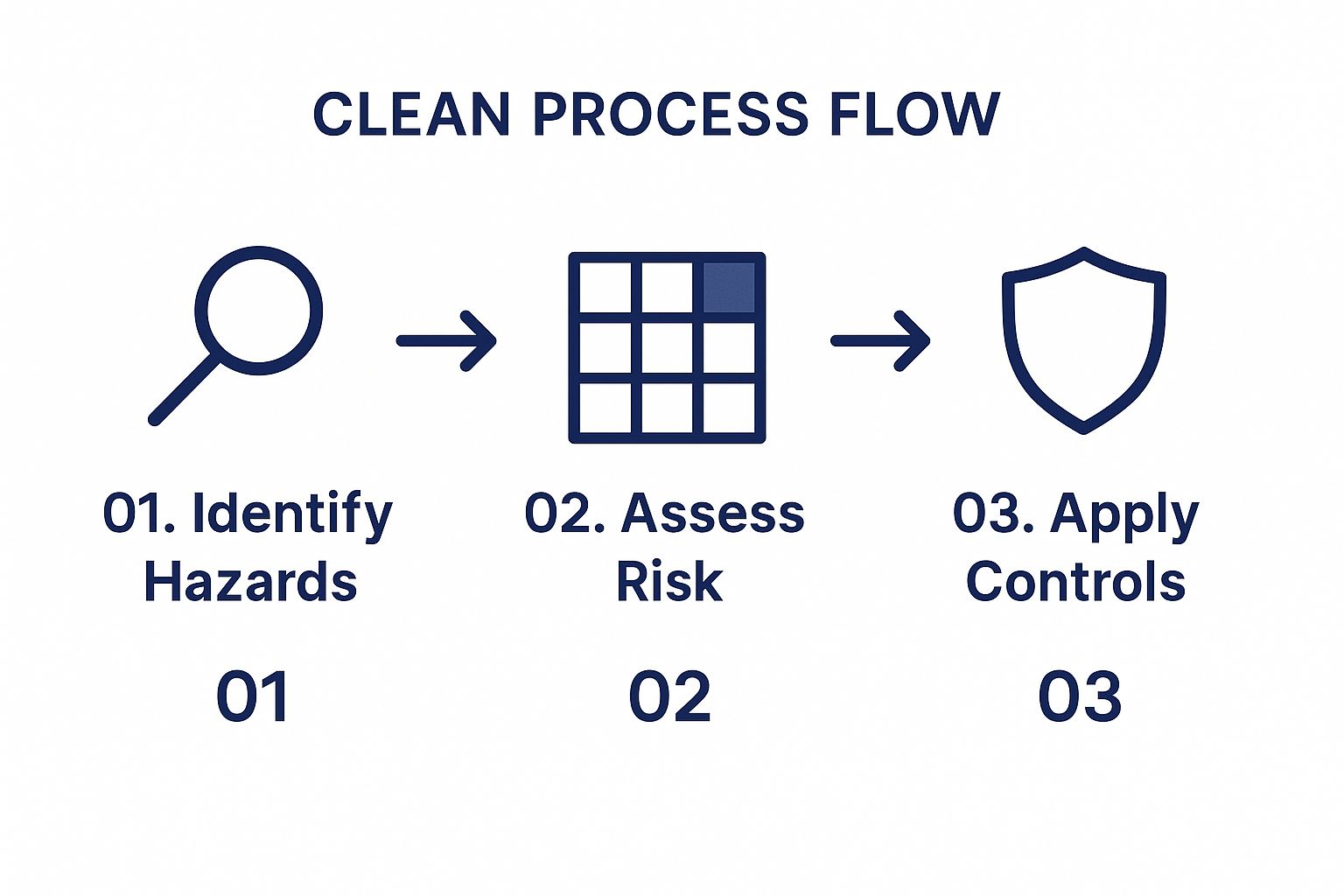
Following this sequence ensures that health and safety controls are targeted at the most significant risks within your operation.
Key Health Tip: Pay attention to your body's early warning signs. Persistent fatigue, headaches, or muscle soreness can indicate underlying stress or ergonomic issues. Addressing these symptoms early is a proactive health measure that can prevent more serious problems.
5. Proper Emergency Preparedness and Response
Proper Emergency Preparedness and Response is the proactive framework a business establishes to effectively manage unforeseen crises. This encompasses detailed plans for scenarios like fires or medical emergencies. An essential, yet often overlooked, part of this is ensuring employees are physically and mentally prepared to respond effectively.
This level of readiness goes beyond basic compliance. When employees maintain good physical health and mental clarity through healthy lifestyle choices, they are better equipped to react calmly and decisively in a crisis, minimising panic and reducing the potential for injury.
How to Implement Effective Emergency Response Plans
A successful emergency plan is a living document that includes preparing your people, not just your procedures. It requires active engagement, training, and regular review.
- Promote First Aid and CPR Training: Encourage employees to get certified in basic first aid and CPR. This empowers them with the skills and confidence to provide immediate, life-saving care to a colleague in a medical emergency.
- Conduct Regular Drills and Training: Regularly conduct drills for different scenarios to familiarise your team with their roles. To ensure everyone knows how to react during a crisis, it's vital to have clear and well-practised essential emergency evacuation procedures.
- Establish a Clear Chain of Command: Designate and train specific individuals to lead the response. Their ability to think clearly under pressure is enhanced by good personal health management.
- Maintain Emergency Equipment: Regularly inspect and maintain all emergency supplies, from first aid kits to fire extinguishers. Ensure they are clearly marked and easily accessible.
Key Health Tip: A balanced diet rich in fruits, vegetables, and whole grains provides the sustained energy and cognitive function needed to stay alert and respond effectively in a crisis. Avoid sugary snacks and drinks that lead to energy crashes.
6. Machine Guarding and Lockout/Tagout Procedures
Machine guarding and lockout/tagout (LOTO) procedures are critical defences against severe injuries from industrial machinery. Guarding involves physical barriers, while LOTO ensures machinery is de-energised during maintenance. The human element—an employee's alertness and focus—is just as crucial as the physical safeguard.
This dual approach protects workers from hazardous energy. However, human error, often caused by fatigue or distraction, is a leading cause of accidents. Therefore, promoting lifestyle habits that enhance concentration is a vital, indirect safety measure.
How to Implement Effective Machine Safety Programmes
A successful programme demands a systematic process and reinforces the importance of personal readiness to ensure procedures are followed correctly.
- Conduct Machine-Specific Hazard Assessments: Evaluate every piece of equipment to identify hazards like pinch points and sources of energy. This forms the basis of your guarding and LOTO strategy.
- Develop Written Energy Control Procedures: Create clear, step-by-step LOTO procedures for each machine, detailing the specific steps for shutting down and isolating equipment to a zero-energy state.
- Provide Comprehensive Training: Train authorised employees on how to perform LOTO safely. Emphasise that this task requires their full attention and should never be performed when feeling tired or unwell.
- Perform Regular Audits: At least annually, conduct inspections of your LOTO procedures to ensure they are being followed correctly and remain effective.
Key Health Tip: Never underestimate the impact of fatigue. If you are feeling drowsy or unfocused, you are at a significantly higher risk of making a mistake. It is safer to report your condition to a supervisor than to operate machinery while impaired by exhaustion.
7. Workplace Violence Prevention
Workplace violence prevention is a strategy to identify, assess, and control threats and acts of aggression. It encompasses behaviours from verbal harassment to physical assault, which severely impact employee safety and mental health. A key component of prevention is fostering a culture of respect and providing individuals with tools to manage their own emotional responses.
This approach is not merely about reacting to incidents but fostering an environment where violence is less likely to occur. Promoting emotional regulation and stress management skills helps de-escalate potential conflicts and builds a foundation of psychological safety.
How to Implement a Workplace Violence Prevention Programme
An effective programme integrates clear policies, employee training, and health-focused support systems. It must be a visible and consistently managed part of your operational framework.
- Establish a Zero-Tolerance Policy: Develop and clearly communicate a policy that strictly prohibits any form of workplace violence, harassment, or intimidation.
- Train Staff in De-escalation: Provide training on how to recognise warning signs of aggression and use verbal de-escalation techniques to manage tense situations safely.
- Provide Stress Management Resources: Implement an Employee Assistance Programme (EAP) to offer confidential support. Teach mindfulness and breathing exercises that employees can use to manage stress and remain calm during challenging interactions.
- Enhance Physical Security: Assess and install appropriate security measures, such as controlled access points, adequate lighting, and surveillance cameras where necessary.
- Create Anonymous Reporting Channels: Establish a confidential system for employees to report concerning behaviours or threats without fear of reprisal.
Key Health Tip: Practice mindfulness or simple breathing exercises for a few minutes each day. This scientifically proven lifestyle change can improve emotional regulation, reduce reactivity to stress, and help you respond more thoughtfully in difficult situations.
8. Mental Health and Stress Management
Mental health and stress management are integral components of a holistic approach to workplace health and safety. This involves creating a supportive environment that prioritises psychological well-being, actively prevents burnout, and provides resources for managing life's challenges. Good mental health is foundational to maintaining the focus and clarity needed to work safely.
A proactive strategy for mental wellness is a powerful investment in your workforce. Supporting employees' mental health reduces absenteeism, improves decision-making, and fosters a more resilient team, ultimately preventing stress-related accidents.
How to Implement Effective Mental Health Programmes
An effective mental wellness programme is embedded within the company culture, moving beyond reactive measures to create a proactively supportive and open atmosphere.
- Provide Confidential Support Systems: Offer an Employee Assistance Programme (EAP) that gives staff confidential access to professional counselling for both work and personal issues. Ensure this service is well-promoted and stigma-free.
- Train Leadership in Mental Health First Aid: Equip managers to recognise early signs of distress, have supportive conversations, and direct employees to appropriate resources without judgment.
- Promote Genuine Work-Life Balance: Actively encourage employees to take breaks, use their annual leave, and disconnect after hours. A well-rested mind is a safe mind.
- Address Workplace Stressors: Systematically identify and mitigate root causes of stress, such as excessive workloads or poor communication. A comprehensive occupational health assessment can be an invaluable tool. Learn more about how a professional occupational health assessment can support your team.
Key Health Tip: Regular physical activity is a medically proven way to reduce stress and improve mental clarity. Even a brisk 20-minute walk during your lunch break can significantly boost your mood and ability to focus, making your workday safer and more productive.
Workplace Health & Safety: 8 Key Tips Comparison
| Safety Measure | Implementation Complexity | Resource Requirements | Expected Outcomes | Ideal Use Cases | Key Advantages |
|---|---|---|---|---|---|
| Personal Protective Equipment (PPE) Compliance | Low to moderate | PPE purchase, training, maintenance | Immediate hazard protection; injury prevention | High-risk physical work environments | Cost-effective; wide applicability |
| Ergonomic Workplace Design | Moderate to high | Equipment, workspace redesign, consultation | Reduced musculoskeletal injuries; increased comfort | Office, manufacturing, warehouse settings | Long-term injury prevention; productivity |
| Regular Safety Training and Education | Moderate | Time, trainers, materials | Lower accident rates; improved hazard awareness | All workplaces with safety risks | Enhances safety culture; compliance |
| Hazard Identification and Risk Assessment | High | Trained personnel, tools, time | Proactive hazard control; resource prioritization | Complex, high-risk operations | Data-driven; continuous improvement |
| Proper Emergency Preparedness and Response | Moderate to high | Planning, drills, equipment | Reduced emergency impact; saved lives | Facilities prone to emergencies | Saves lives; minimizes business disruption |
| Machine Guarding and Lockout/Tagout Procedures | Moderate to high | Equipment, training, procedures | Prevention of machine-related injuries | Manufacturing, industrial machinery | Prevents severe injuries; regulatory compliance |
| Workplace Violence Prevention | Moderate | Program development, training | Safer environment; reduced conflicts | Healthcare, retail, corporate offices | Improves morale; legal risk reduction |
| Mental Health and Stress Management | Moderate | Programs, counseling services | Reduced stress-related incidents; better well-being | All workplaces concerned with employee wellness | Enhances productivity; reduces absenteeism |
Partnering for Proactive Workplace Wellbeing in Bristol
Throughout this guide, we have explored a spectrum of essential workplace health and safety tips, shifting the focus from purely procedural compliance to the proactive enhancement of employee health. The common thread is that a healthier individual is inherently a safer worker. From adopting better ergonomic habits and improving sleep to managing stress effectively, these lifestyle changes are the foundation of a robust safety culture. A truly safe workplace doesn't just react to incidents; it builds a culture where individuals are empowered with the knowledge and resources to manage their own wellbeing.
Implementing these measures is a continuous cycle of assessment, education, and refinement. It involves promoting healthy habits, encouraging open conversations about mental health, and providing tools for stress management. The value of mastering these concepts extends far beyond simple compliance. A robust health and safety framework that prioritises personal wellbeing is a direct investment in your organisation's most valuable asset: its people. It leads to reduced absenteeism, higher morale, improved productivity, and a stronger employer brand that attracts and retains top talent.
Key Pillars for Lasting Change
Recapping our journey, the most impactful strategies rest on three core pillars:
- Physical Safety: This is the foundation, encompassing everything from correct PPE compliance to creating ergonomically sound workstations. Crucially, it is supported by personal health choices like proper nutrition and hydration.
- Procedural Integrity: This involves the systems that ensure safety, such as training and emergency protocols. Their effectiveness is magnified when employees are alert, focused, and well-rested.
- Psychological Wellbeing: This modern pillar acknowledges that safety is incomplete without mental and emotional health. By actively managing workplace stress and promoting lifestyle habits that build resilience, organisations create an environment where employees feel secure, respected, and supported.
Ultimately, creating a healthy and safe workplace is a shared responsibility. It requires leadership to provide resources, managers to foster a supportive environment, and employees to engage with their own health. By embracing these comprehensive workplace health and safety tips, you are not just preventing accidents; you are actively cultivating a space where every individual can thrive.
Ready to move beyond the checklist and build a truly bespoke health and wellbeing strategy for your team? The Lagom Clinic offers comprehensive occupational health services, private GP appointments, and proactive lifestyle medicine right here in Bristol. Partner with us to implement tailored solutions that address your unique workplace challenges and empower your employees to thrive.
Workplace health support
We offer occupational health assessments, corporate wellbeing packages and workplace health screening for Bristol employers.


 Members Consultation