


When you're facing ACL surgery, the recovery timeline is probably one of the biggest things on your mind. The full journey back to sport typically takes around 9 to 12 months, but you'll be hitting key milestones and getting back to daily life much sooner than that.
It's a very personal process. Your fitness level before the injury, the type of graft your surgeon uses, and—most importantly—your dedication to physiotherapy all play a massive role in how smoothly things go.
This is more than just a physical repair job; it often requires some significant lifestyle tweaks. You’ll need to optimise your sleep hygiene, adopt an anti-inflammatory diet, stay hydrated, manage stress, and look after your mental wellbeing. Think of it as a project with distinct phases, each with its own goals and lifestyle habits to support healing.
Understanding Your ACL Recovery Journey
Staring down the barrel of a long recovery can feel pretty overwhelming, but getting your head around the roadmap is the first step towards a great outcome. This isn't a race; it's a carefully structured process of healing, rebuilding strength, and retraining your body to move correctly again.
Your commitment to your physio plan is the single most important factor in getting you back to where you want to be, whether that's returning to the football pitch or just being able to walk down the street without a second thought. Alongside physiotherapy, focus on:
- Sleep: Aim for 7–9 hours of quality rest each night to support tissue repair.
- Nutrition: Follow an anti-inflammatory diet rich in omega-3s, antioxidants, and lean protein.
- Hydration: Drink at least 2–3 litres of water daily to aid nutrient transport and waste removal.
- Stress management: Incorporate techniques like deep breathing, meditation, or light yoga.
- Smoking cessation and alcohol moderation: Both impair healing and should be limited or avoided.
According to NHS guidelines, the entire recovery can take anywhere from six months to a year. Most patients are discharged the same day with crutches and a knee brace, ready to begin a months-long physiotherapy programme designed to restore strength and movement. Following all the medical advice you're given is essential for the best possible outcome.
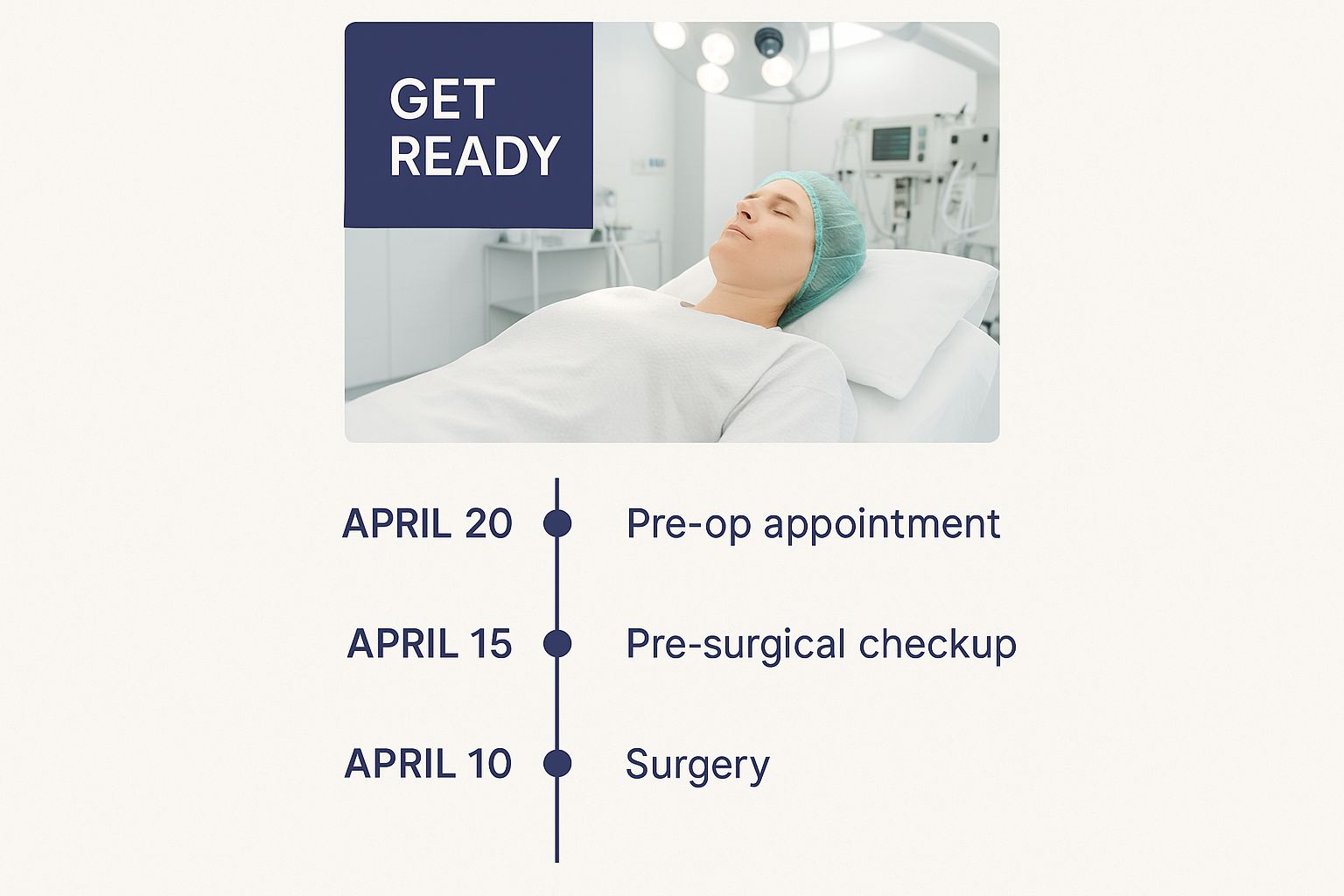
What to Expect From Your Timeline
While every recovery is unique, the path generally follows a predictable pattern. The first few weeks are all about managing pain and swelling while protecting that new graft. As you start to heal, the focus shifts to getting your range of motion back, then building foundational strength, and finally, retraining for the specific movements your sport demands.
A few key things will influence your personal timeline:
- Pre-surgery condition: Strong quads and hamstrings give you a head start.
- Type of graft used: Autograft vs. allograft can affect healing times.
- Your commitment to physiotherapy: Consistency directly impacts progress.
- Overall lifestyle: Good nutrition, hydration, sleep, stress management, and no smoking all boost healing.
To give you a clearer picture, this table breaks down the typical phases and what you can expect along the way.
Key Milestones in Your ACL Recovery Journey
| Phase | Typical Timeframe | Primary Goals | Key Activities |
|---|---|---|---|
| Phase 1: Immediate Post-Op | Weeks 0–2 | Reduce swelling & pain, achieve full knee extension, activate quad muscles. | RICE (Rest, Ice, Compression, Elevation), gentle range-of-motion exercises, quad sets, sleep hygiene. |
| Phase 2: Early Rehabilitation | Weeks 2–6 | Wean off crutches, normalise walking gait, improve range of motion. | Stationary cycling, light leg presses, balance exercises, nutrition focus, stress management practices. |
| Phase 3: Strengthening | Months 2–4 | Build muscle strength in quads, hamstrings, and glutes. Introduce functional movements. | Squats, lunges, hamstring curls, step-ups, proprioception drills. |
| Phase 4: Sport-Specific Training | Months 4–6 | Begin running, jumping, and agility drills. Focus on neuromuscular control. | Light jogging, box jumps, ladder drills, cone drills, plyometrics, mental imagery. |
| Phase 5: Return to Sport | Months 6–12+ | Safely return to sport-specific activities, passing functional tests. | Unrestricted training, scrimmage participation, gradual return to competition, ongoing lifestyle support. |
Your recovery is a marathon, not a sprint. Consistency in physiotherapy, patience during setbacks, and celebrating small victories are the keys to successfully crossing the finish line and returning to the activities you love.
The First Two Weeks: Protecting and Healing
The first 14 days after your ACL surgery are all about laying the groundwork for a successful recovery. Protect the new graft, get swelling and pain under control, and give your body a chance to start the healing process. Alongside the standard care, prioritise:
- Sleep: Elevate leg but maintain a comfortable sleep position—use pillows to support your back.
- Nutrition: Small frequent meals rich in protein, vitamin C, zinc, and healthy fats.
- Stress relief: Guided breathing or short mindfulness sessions can reduce pain-related anxiety.
Mastering The RICE Protocol
- Rest: Non-negotiable. Limit activity to essentials and use crutches for 100% of weight-bearing.
- Ice: Cold packs for 20 minutes every two hours. Never apply ice directly—use a cloth barrier.
- Compression: Wear your prescribed bandage to control swelling.
- Elevation: Heel above heart level as much as possible; gravity aids fluid drainage.
A classic mistake is propping the knee with a pillow behind it. Always place support under the heel or ankle, letting the knee hang straight.
Building Your Recovery Nest
Set up a “recovery nest” on the ground floor with:
- A comfy chair or sofa for proper elevation.
- Chargers, water bottle, snacks, meds within arm's reach.
- Entertainment and a clear, hazard-free path to the bathroom.
- Footrest or low stool to switch between elevated and neutral positions.
Fueling Your Body For Repair
Incorporate anti-inflammatory foods: salmon, berries, leafy greens, nuts, and seeds. Aim for 1.2–1.5 g/kg of protein daily—see calculating your daily protein needs. Stay hydrated to support metabolic processes and joint lubrication.
Your First Gentle Movements
- Ankle Pumps: Point and flex your foot repeatedly to promote circulation.
- Quad Sets: Tighten your thigh for 5–10 seconds to maintain quad activation.
- Breathing Exercises: Deep diaphragmatic breaths reduce tension and improve oxygenation.
Weeks Two To Twelve: Reclaiming Motion And Stability
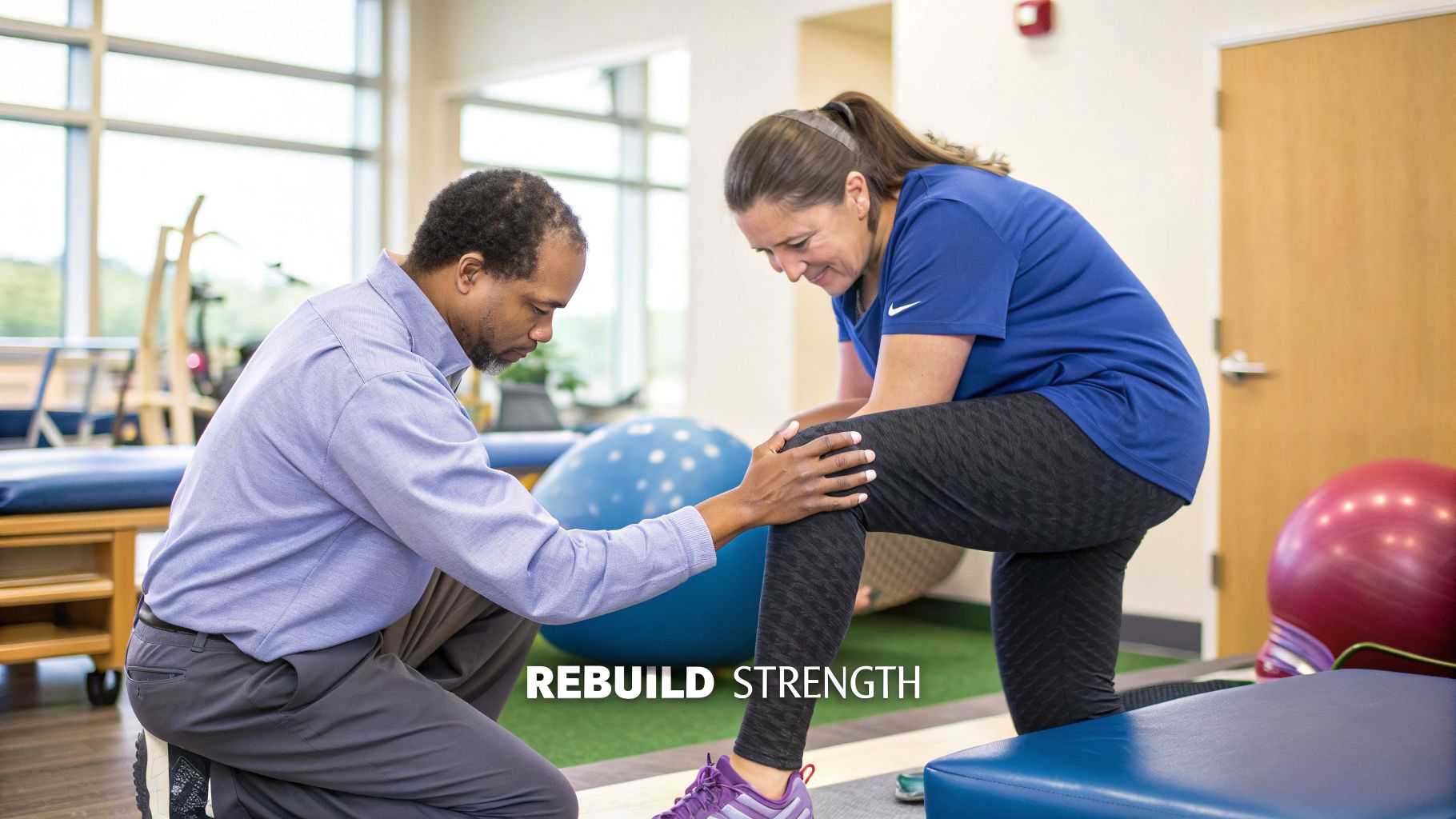
From week two onwards, shift focus from protection to active recovery. This is the time to regain full extension, increase flexion, build foundational strength, and gradually wean off crutches—while keeping lifestyle factors front and centre.
Achieving Key Motion Milestones
Work towards:
- Full Extension: Continue propping heel on a towel roll.
- Flexion: Practice heel slides; aim for pain-free incremental gains.
Prioritise extension early—lack of straightening is harder to correct later.
Building Your Foundational Strength
- Stationary Cycling: Zero resistance for 10–15 minutes to improve mobility.
- Gentle Strength Moves: Light leg presses, hamstring curls, bodyweight squats to shallow depth.
- Sleep & Rest: Balance exercise sessions with quality rest to prevent overuse.
The Lifestyle Shift: Weaning Off Crutches
Transition from two crutches to one, then to unaided walking as quad control improves. Explore ways to improve your balance—single-leg stands are a must. Modify daily tasks: one-step stair climbing, shower chair, supportive footwear, and non-slip mats.
Mind your posture when seated to avoid knee stiffness. Set reminders to stand, stretch, and walk every 30–45 minutes.
Months Three To Six: Building Functional Strength
You’ll begin to feel more like an athlete. The graft undergoes ligamentisation, gaining strength and resilience. Now’s the time for precise, progressive loading and continued lifestyle support.
The Core of Strength Building Exercises
- Squats & Leg Presses: Progress from bodyweight to added resistance. Focus on form—knees in line with toes.
- Lunges: Forward, reverse, lateral to challenge stability.
- Hamstring Curls & Deadlifts: Build balanced strength—hamstrings counteract quads.
- Proprioception Drills: Single-leg stands on a foam pad, wobble board for neural retraining.
Retraining Your Knee's Awareness in Space
Work on proprioception to rebuild your internal “GPS.” Start with 30-second single-leg balance, progress to unstable surfaces. Combine with breathing control to enhance focus and reduce muscle guarding.
Lifestyle Adjustments and Returning to Work
If you have a desk job:
- Stretch and walk every 30–45 minutes.
- Use an under-desk footrest to reduce swelling.
- Position your chair for occasional full leg extension.
Reintroduce low-impact cardio—swimming (flutter kick only) and stationary cycling with progressive resistance. Maintain nutrition and hydration to support increased training load.
Months Six to Twelve: Returning to Your Sport
This final phase bridges rehab and real performance. Focus on readiness tests, advanced drills, mental preparation, and a structured return-to-play plan.
Passing the Return to Sport Tests
Tests include:
- Strength Benchmarks: Operated leg ≥ 90% strength of the uninjured leg (isokinetic testing).
- Hop Tests: Single-leg hops for distance and height ≥ 90% of contralateral side.
- Agility Drills: Cutting, pivoting, stopping under controlled conditions.
Mastering Advanced Training Drills
- Plyometrics: Start with two-footed box jumps, progress to single-leg hops—focus on soft landings and knee alignment.
- Agility & Cutting: Pre-planned to reactive drills using cones and ladders; introduce sport-specific cues.
- Mental Skills: Visualisation, goal-setting, and confidence-building to overcome fear of re-injury.
The Phased Return to Play Protocol
- Individual sport-specific drills (e.g., kicking a ball solo).
- Controlled non-contact training (passing drills without defenders).
- Full-contact training (scrimmages, practice games).
- Gradual competition return (limited minutes, progressive game time).
A Yorkshire NHS study reported median discharge from physio at 14 months, underlining the importance of structured rehab and clear goals—read more in findings on UK patient recovery timelines.
Common Questions About Your ACL Recovery
When Can I Drive After ACL Surgery?
Right-leg surgery: typically 4–6 weeks once you have adequate strength and reaction time and are off narcotic painkillers. Left leg (automatic): possibly sooner. Always get medical clearance before driving.
How Important Is Diet In My ACL Recovery?
Critical. A high-protein, anti-inflammatory diet supports tissue repair, manages swelling, and helps control weight—reducing stress on your knee. Hydrate well to aid nutrient delivery and joint health.
The ACL recovery timeline is as much a mental challenge as it is physical. Practices like journaling—the benefits of journaling can help you process emotions, set realistic goals, and track progress.
What Are The Warning Signs Of A Problem?
Contact your doctor if you notice:
- Fever, chills, or spreading redness around the incision.
- Pus or unusual discharge.
- Sudden calf pain, swelling, or tenderness (possible blood clot).
- Sharp spike in knee pain unrelieved by rest and ice.
- Sensation of your knee giving way unexpectedly.
Why Is Early Surgery Sometimes Recommended?
Early ACL reconstruction in younger, active patients can prevent secondary damage (e.g., meniscal tears) and lead to better long-term joint stability. Your surgeon will recommend timing based on your lifestyle, goals, and injury specifics.
At The Lagom Clinic, we understand that recovery extends far beyond the operating theatre. Our experts in sports performance and musculoskeletal medicine provide personalised guidance on every aspect of your ACL journey—from nutrition and sleep hygiene to mental wellbeing—ensuring you have the support you need to return to your sport with strength and confidence. Learn more about our balanced approach to health at https://www.thelagom.co.uk.

 Members Consultation