


When your doctor mentions a bone profile blood test, they’re talking about a group of tests that give them a really clear picture of what’s happening with your bones. It’s a common, straightforward blood test used across the UK to check on the essential minerals, proteins, and enzymes your body needs to build and maintain a healthy, strong skeleton.
A Health Report Card for Your Skeleton
Think of it like a detailed report card for your skeleton. Much like an engineer checks a building’s foundations for any hidden cracks or weaknesses before they turn into serious problems, this test lets your doctor look at the very building blocks of your bones. It’s a surprisingly simple yet powerful way to get a snapshot of your bone strength and how efficiently your body is handling its maintenance.
The test works by measuring several key markers floating around in your blood. Its main job is to check the levels of things like calcium, phosphate, and certain proteins that are absolutely vital for bone growth and repair. By looking at these levels, your doctor gets crucial clues about how well your body is managing its structural framework.
More Than Just Bones
What’s really interesting is that the story doesn’t stop with your bones. A bone profile test can also hint at the health of other important systems in your body. This is because the minerals it measures are carefully managed by organs like your kidneys and parathyroid glands.
Because everything is so interconnected, the results can sometimes be the first sign of an issue with:
- Kidney Function: Your kidneys are central to keeping calcium and phosphate levels balanced.
- Liver Health: The liver is responsible for making some of the key proteins measured in the test.
- Glandular Activity: Glands, especially the parathyroid and thyroid, act like thermostats for mineral levels in your blood.
In the UK, a bone profile blood test is a standard diagnostic tool used to assess several biochemical markers linked to bone and mineral metabolism. These typically include calcium, phosphate, alkaline phosphatase, and albumin.
This gives your doctor a fantastic snapshot of your overall health, painting a much broader picture than just the condition of your bones. In the UK, where osteoporosis affects over 3 million people, this kind of proactive check-up is vital for staying healthy and mobile for years to come. To get a better feel for its real-world use, you can find some great insights from a London GP clinic on londongpclinic.co.uk. It’s a key step in staying ahead of potential health problems before they have a chance to grow.
Let’s quickly break down the key aspects of the test.
Bone Profile Blood Test at a Glance
| Aspect | Description |
|---|---|
| Test Name | Bone Profile or Bone Screen |
| Purpose | To assess bone health and metabolism by measuring key markers in the blood. |
| Common Markers | Calcium, Phosphate, Alkaline Phosphatase (ALP), and Albumin. |
| Sample Type | A standard blood sample taken from a vein in your arm. |
| When It’s Used | To investigate bone pain, diagnose conditions like osteoporosis, or monitor certain treatments. |
This table provides a simple overview, but as you can see, the information gathered from this single test is incredibly valuable for your doctor.
What’s Actually Being Measured in Your Blood?
Think of your bones as a complex, living structure, constantly being built up and broken down. To stay strong and healthy, they need a specific cocktail of minerals, proteins, and enzymes, all in the right balance. A bone profile blood test is essentially a snapshot of that cocktail, checking the levels of these key ingredients circulating in your bloodstream.
Each marker tells a unique part of the story about your bone metabolism. Understanding what they are and why they matter will help you have a much clearer conversation with your doctor about your results. Let’s take a look at what the test is actually searching for.
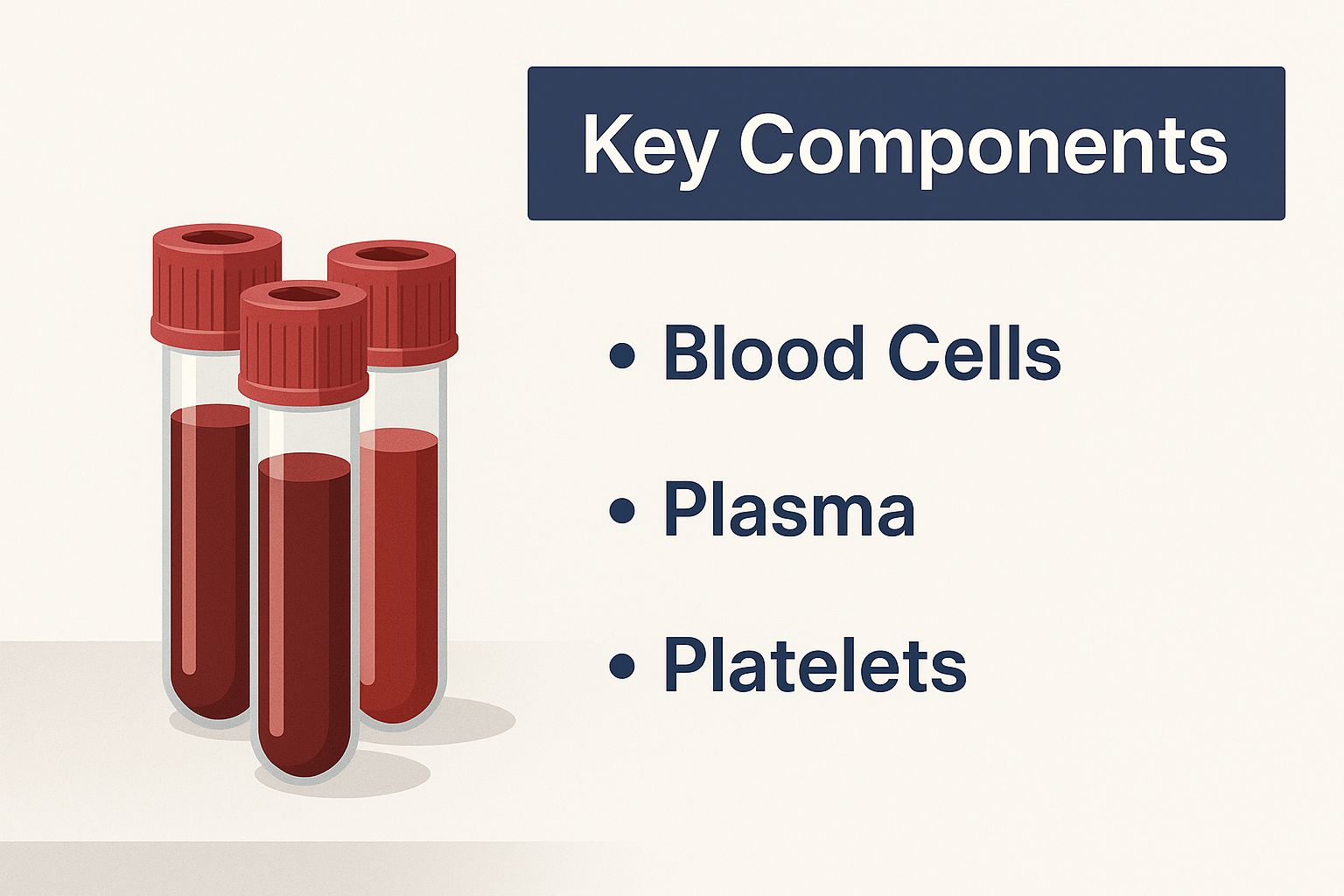
The test isn’t just looking at one thing; it’s analysing a mix of minerals, proteins, and enzymes. Each one provides a clue, and together, they paint a comprehensive picture of your skeletal health.
The table below breaks down each component measured in the test and what it really means for your health.
What Each Marker Reveals About Your Health
| Marker | What It Is | Why It Matters for Bone Health |
|---|---|---|
| Calcium | The main mineral that gives bones their hardness and strength. Over 99% of your body’s calcium is found in your bones. | Blood calcium levels are tightly controlled. If they’re too high or too low, it can point to an underlying problem with your parathyroid gland, diet, or how your body is absorbing minerals. It’s the primary building block for bone tissue. |
| Phosphate | A mineral that works alongside calcium to form the crystalline structure (hydroxyapatite) that makes bones rigid. | The balance between calcium and phosphate is critical. If this ratio is off, it can disrupt bone formation and lead to weaker bones over time. Think of it as the essential partner to calcium. |
| Alkaline Phosphatase (ALP) | An enzyme found in high concentrations in the cells that build bone (osteoblasts). It’s also present in the liver. | High ALP levels often signal increased bone turnover. This can be normal (like in growing children or healing fractures) but can also indicate conditions like Paget’s disease, vitamin D deficiency, or even bone cancers. |
| Albumin | The most common protein in your blood plasma, made by the liver. It acts as a transport vehicle for many substances, including calcium. | Because about half of the calcium in your blood is bound to albumin, low albumin levels can make your total calcium appear artificially low. Doctors often calculate an “adjusted calcium” level to get a more accurate picture. |
Essentially, your body is performing a constant balancing act to keep these markers within a healthy range.
The Dynamic Duo: Calcium and Phosphate
Calcium is, without a doubt, the star player in bone health. It’s the raw material that gives our skeleton its strength and structure. The test measures the amount of calcium floating in your blood, which your body works incredibly hard to keep within a very narrow, stable range.
Phosphate is calcium’s crucial partner. The two bind together to create a crystal called hydroxyapatite, which is the very substance that makes your bones hard and resilient. The relationship between calcium and phosphate is a delicate dance—if one is out of sync, it can throw the other off and compromise your entire bone structure.
Here’s the clever bit: your body is a master regulator. If your blood calcium levels drop even slightly, your body will instinctively pull it from the nearest and richest source it has—your bones. A bone profile test can catch this process in action, giving an early warning that you might be losing bone mass.
Alkaline Phosphatase: A Sign of Bone Activity
Next up is Alkaline Phosphatase, or ALP. This is an enzyme found in several places in the body, but it’s particularly concentrated in your liver and your bones. When it comes to your skeleton, ALP is a fantastic indicator of bone cell activity.
Elevated ALP can be perfectly normal. For instance, you’d expect to see high levels in a teenager during a growth spurt or in someone who is healing from a broken bone. However, persistently high levels in an adult could be a red flag for conditions where bone is being remodelled too quickly, such as Paget’s disease of bone.
Albumin: The Unsung Hero
Finally, the test looks at albumin. This might seem like an odd one to include in a bone test, as it’s a protein made by your liver. So, what’s the connection?
Think of albumin as the taxi service for calcium. A huge chunk of the calcium in your blood doesn’t travel solo; it hitches a ride by binding to albumin. This means your total calcium reading can be skewed if your albumin levels are too low or too high. To get the real story, doctors will often look at an “adjusted calcium” level, which accounts for your albumin, giving a far more accurate assessment of your calcium status.
Why Your Doctor Might Recommend This Test
A bone profile blood test isn’t something you’d typically get during a routine check-up. Instead, think of it as a specialised tool your doctor reaches for when they need to dig a little deeper into your health, particularly when they suspect something is affecting your bones or mineral levels.
There are a few common scenarios that might lead to your doctor suggesting this test. Maybe you’ve been dealing with persistent, nagging aches in your bones that you just can’t shake. Or perhaps you suffered a fracture from a minor fall that really shouldn’t have caused such a serious injury. These are exactly the kind of red flags that prompt a closer look at what’s happening inside your body.

Taking this kind of proactive step is a key part of preventative healthcare. Getting to grips with why certain tests are ordered is just one of the many important aspects of health screenings that can empower you to take charge of your own wellbeing.
Investigating Symptoms and Diagnosing Conditions
Certain symptoms are clear signals to your GP that a bone profile is needed. By analysing your blood, they can gather the evidence required to either diagnose or rule out a range of underlying health problems.
Your doctor might order the test to look into:
- Unexplained Bone Pain: Those persistent aches or tender spots can point towards issues with your bone density or metabolism.
- Fragility Fractures: Breaking a bone from a simple trip or a light bump is a major warning sign that shouldn’t be ignored.
- Symptoms of High Calcium: Feeling unusually thirsty, needing to urinate more often, nausea, or even confusion can all suggest a mineral imbalance.
- Symptoms of Low Calcium: On the flip side, things like muscle cramps, a tingling sensation in your hands and feet, or confusion could indicate a deficiency.
Monitoring Existing Health Conditions
This test isn’t just for finding new problems; it’s also incredibly useful for managing known health conditions. If you’ve already been diagnosed with an illness that impacts your bones or how your body regulates minerals, regular monitoring is crucial.
For example, people with chronic kidney disease often have their bone profile checked regularly. This is because failing kidneys have a hard time keeping calcium and phosphate levels balanced. It’s also a go-to test for monitoring disorders of the parathyroid glands, which are the body’s main calcium regulators.
Primary hyperparathyroidism (PHPT) is a classic example. It’s a condition where these glands become overactive, and it’s often flagged by a bone profile. In fact, a review of NHS data showed that among patients with hip fractures, 4.7% met the criteria for PHPT. This was significantly higher than the 1.13% found in a control group without fractures.
Assessing Your Individual Risk Factors
Finally, your doctor will always consider your personal risk profile. Some people are simply more prone to bone health issues, and for them, preventative screening is a very sensible step. Making positive lifestyle changes is key to managing these risks. Reducing alcohol intake and stopping smoking are two of the most effective steps you can take, as both are known to negatively impact bone density.
High-risk groups who might be offered a bone profile blood test include:
- Post-menopausal women, because of the sharp decline in bone-protecting oestrogen.
- Anyone with a strong family history of osteoporosis.
- People with conditions that interfere with nutrient absorption, like Crohn’s disease or coeliac disease.
- Those taking long-term steroid medication, which is known to weaken bones over time.
Understanding these symptoms and risk factors is the first step. It gives you the knowledge you need to have a really productive conversation with your GP about protecting your bone health for the long term.
Getting Ready for Your Test and What to Expect on the Day
One of the best things about the bone profile blood test is how straightforward it is. Knowing exactly what happens on the day can really help put your mind at ease, especially if you’re a bit nervous about needles.
Unlike some blood tests that require you to fast, you can usually eat and drink normally beforehand. This makes it much easier to schedule without having to disrupt your daily routine. Still, it’s always a good idea to double-check with your doctor, as they may have specific advice based on your individual health circumstances.
Giving Your Doctor the Full Picture
It’s really important to let your doctor know about any medications or supplements you’re taking. Things like calcium and vitamin D supplements can directly affect your results, so your doctor might suggest you stop taking them for a few days beforehand. This helps ensure the test gives a true reflection of what’s happening in your body.
The Blood Draw Itself
The test is just a standard blood draw, a quick and simple procedure called a venepuncture. A nurse or phlebotomist will take a small sample of blood from a vein, typically from the inside of your elbow.
Here’s a quick rundown of the process:
- First, they’ll wrap a tight band, or tourniquet, around your upper arm. This helps the vein pop up, making it easier to find.
- Next, the area is cleaned with a small antiseptic wipe to prevent any infection.
- A small needle is then gently inserted into the vein, and the blood is collected in one or more small vials.
- Once enough blood has been collected, the needle is removed, and you’ll get a small plaster or a bit of cotton wool to press on the site.
The whole thing is usually over in just a few minutes. You might feel a slight prick or a scratch when the needle goes in, but it’s rarely painful.
Afterwards, your sample is whisked off to the lab for analysis. Your results are typically ready within a few days, and your GP will get in touch to discuss what they mean. For anyone looking into private blood tests in Bristol, we provide a seamless and comfortable experience, and for those who prefer more flexibility, there are even services for convenient blood tests at home.
The most important part of preparation is open communication. A clear picture of your current medications and lifestyle helps your doctor interpret the results from your bone profile blood test with the highest degree of accuracy.
Making Sense of Your Test Results
Getting your bone profile blood test results back can feel a little daunting. It’s a list of names and numbers that are clearly important, but what do they actually mean? While only your doctor can give you a proper diagnosis, having a basic grasp of what each marker signifies can help you have a much more meaningful conversation about your health.
Think of each result as a piece of a puzzle. A reading that falls within the normal range suggests that piece is sitting in the right place. But if a result is too high or too low, it’s a flag for your doctor, pointing to an area that might need a closer look.
It’s so important to remember that these numbers aren’t the full story. Your doctor will weigh them up alongside your symptoms, medical history, and lifestyle to get a complete picture of what’s going on.
What High or Low Levels Might Suggest
Every marker in your bone profile tells a different part of the story about your body’s chemistry. For example, a high calcium level (hypercalcaemia) could indicate that your parathyroid glands, which act as the body’s calcium thermostat, are a bit overactive. On the flip side, low calcium (hypocalcaemia) might be linked to something like a vitamin D deficiency, since your body needs vitamin D to properly absorb calcium from your food.
It’s the same with Alkaline Phosphatase (ALP). Abnormally high levels can mean a lot of different things. It might suggest rapid bone turnover, which happens naturally when a fracture is healing, but it could also be a sign of conditions like Paget’s disease of bone or even point to a problem with your liver. The context is everything.
This becomes especially critical as we get older. Research in England, for instance, has shown that adults over 65 are more likely to have both anaemia and related bone metabolism issues. This is why routine checks like a bone profile can be so valuable in heading off serious problems like fragility fractures. For a deeper dive into this, you can explore the full research on bone abnormalities at pmc.ncbi.nlm.nih.gov.
Preparing for Your Follow-Up Appointment
Understanding a bit about your results helps you walk into your follow-up appointment feeling more prepared. This is your chance to ask really specific questions and become a partner with your doctor in managing your bone health.
Before you go, it’s a great idea to jot down anything you’re unsure about. That way, you won’t forget anything important and can leave the appointment with a clear plan.
Here are a few questions you might want to ask:
- Based on these specific results, what does this mean for my bones in the long run?
- Are there any changes I should make to my diet or lifestyle?
- Should I have any other tests, like a separate vitamin D test or a DEXA bone density scan?
- How often should we repeat this test to keep an eye on things?
Your bone profile results are a starting point for a conversation, not a final verdict. They give your doctor the clues needed to investigate further and guide you towards the best plan for keeping your skeleton strong and healthy.
At the end of the day, these results are simply information. By understanding the basics, you can take an active role in the conversation, helping to make sure you stay healthy and active for years to come.
Lifestyle Choices for Building Stronger Bones
Getting your bone profile blood test results back isn’t the finish line; it’s the starting pistol. The next, most crucial step, is what you do with that information to build and protect your skeleton for the long haul. And the good news? The most powerful strategies are already part of your everyday life: what you eat, how you move, and smart supplementation.
Your bones are dynamic, living tissues. They’re in a constant state of flux, breaking down and rebuilding in a cycle known as remodelling. To come out ahead in this process—building more bone than you lose—you have to give your body the right raw materials. That’s where your diet takes centre stage.
Fuel Your Frame with the Right Nutrients
A diet geared for bone health is packed with specific vitamins and minerals that are, quite literally, the building blocks for your skeleton. Focusing on whole, unprocessed foods is always the best approach to getting everything you need.
So, what should be on your plate?
- Calcium-Rich Foods: This is the cornerstone mineral for bone density. Aim for dairy like yoghurt and milk, tinned fish with soft, edible bones (think sardines), and dark leafy greens like kale and broccoli.
- Vitamin D Sources: Think of Vitamin D as the key that unlocks calcium absorption. Your body can’t use calcium properly without it. Oily fish like salmon and mackerel are fantastic sources, as are many fortified foods. A bit of sensible sun exposure also prompts your body to make its own.
- Magnesium and Vitamin K: Don’t forget other key players. Magnesium, found in nuts, seeds, and whole grains, helps your body use calcium effectively. Vitamin K, abundant in green leafy vegetables like spinach and Brussels sprouts, is essential for bone mineralisation.
It’s also worth remembering that getting the right vitamins for hormone balance can play a significant role, as hormones and bone health are closely linked.
I like to think of calcium as the bricks and vitamin D as the bricklayer. You can have a mountain of bricks, but without a bricklayer to put them in place, you can’t build a strong wall. You need both to build a sturdy skeleton.
The Power of Weight-Bearing Exercise
Nutrition is only half the story. Your bones also need a bit of a challenge to get stronger. They respond to physical stress by laying down more minerals, which increases their density. The goal is to incorporate consistent, varied activities into your routine.
When you incorporate these movements into your week, you’re essentially sending a direct message to your body: “Reinforce this structure!” This makes your bones stronger and far more resilient.
Great options include:
- Weight-Bearing Activities: Aim for at least 30 minutes on most days. Brisk walking, dancing, jogging, and even just taking the stairs are brilliant for stimulating bone growth. The key is consistency.
- Strength and Resistance Training: Incorporate this two to three times a week. Lifting weights, using resistance bands, or doing bodyweight exercises like squats builds muscle. Strong muscles pull on and support your bones, giving them an extra reason to stay dense.
- Balance and Flexibility: Activities like yoga or tai chi improve stability and coordination, which can dramatically reduce your risk of falls—a major cause of fractures.
When to Consider Supplements
While a food-first approach is always best, sometimes supplements are a necessary backup, especially if your bone profile blood test flags a clear deficiency. But this isn’t something to guess at.
Never start taking supplements without talking to your GP first. They can interpret your results, recommend the right supplement and dosage for you, and make sure it won’t interfere with anything else. Self-prescribing can easily lead to new imbalances, so a professional’s guidance is essential.
Your Questions, Answered
Let’s clear up some of the most common questions people have about the bone profile blood test. We’ll give you straightforward answers to help you feel confident and well-informed.
What’s Involved in the Test Itself?
It’s just like any routine blood test. A small amount of blood will be drawn from a vein in your arm with a very fine needle.
The whole process, called venepuncture, is over in a minute or two. From there, your sample is sent off to a lab for detailed analysis.
Can My Results Be Normal Even if I Have a Bone Problem?
Yes, that’s entirely possible. A bone profile blood test is fantastic for looking at the chemical activity and mineral balance related to your bones, but it doesn’t measure bone density.
This means you could have normal blood work but still be in the early stages of a condition like osteoporosis. If your risk is high, your doctor may recommend a specific bone density scan (a DEXA scan) for a complete picture.
How Long Does It Take to Get the Results?
Typically, you won’t be waiting long. The lab usually processes the results and sends them back to your GP within a few days.
Once they’re in, your clinic will get in touch to go over what they mean and talk about any next steps.
Does This Test Check for Cancer?
It’s not designed as a cancer screening tool, but it can sometimes raise a red flag. Certain results, like unusually high calcium or alkaline phosphatase levels, might point towards cancers that have spread to the bone.
If your doctor sees anything suspicious, they will arrange for more specific tests to find out exactly what’s going on.
Remember, a blood test is just one piece of the puzzle. Your doctor will interpret your results in the context of your overall health, symptoms, and medical history to get a complete picture.
At The Lagom Clinic, we believe in taking a proactive approach to health, using detailed diagnostics to build a clear picture of your wellbeing. If you have concerns about your bone health or simply want to arrange a screening, we’re here to provide expert guidance and care.
Schedule a consultation to discuss your health goals with us today.
Related: Bone health becomes particularly important during and after menopause, when declining oestrogen can accelerate bone density loss. Our menopause clinic in Bristol offers hormone testing alongside bone health assessment.
Need a bone profile blood test?
At The Lagom Clinic in Bristol, we offer comprehensive blood tests with results in 2-5 days. No GP referral needed.


 Members Consultation