


When it comes to your joints, the path to better health is paved with consistent, low-impact movement, an anti-inflammatory diet, and a few smart lifestyle habits. The goal is simple: strengthen the muscles supporting your joints and calm down system-wide inflammation. Get this combination right, and you can dramatically reduce pain and secure your mobility for the long haul. This guide offers scientifically sound, practical advice on the lifestyle changes you can make to protect and improve your joint health.
The Reality of Joint Health Across the UK

Before we get into the practical solutions, it’s worth taking a moment to appreciate why joint health is such a huge conversation in the UK. For millions, the day starts with stiffness, aches, and pain that can make a simple walk in the park feel like a marathon. It’s not just a minor niggle; it’s a genuine barrier to living a full life.
The culprit is often a musculoskeletal (MSK) condition, and the most common one you’ll hear about is osteoarthritis. Think of it as the "wear and tear" arthritis that gradually breaks down the smooth, protective cartilage at the ends of your bones. Without that cushion, movement becomes painful and restricted.
The Scale of the Challenge
The statistics on MSK health in the UK are genuinely eye-opening. This isn't a niche problem; it's a major public health issue affecting nearly a third of us—that’s around 20 million people.
Osteoarthritis (OA) is the biggest player, impacting over 10 million individuals. To put that another way, roughly one in every six adults is navigating the daily reality of OA pain and stiffness.
This isn't a level playing field, either. The data shows a clear link to deprivation, with people in the UK's poorest areas more likely to suffer from chronic pain. Women and certain ethnic groups also report higher rates of MSK conditions. This has a massive knock-on effect on our healthcare system, too. In 2022-2023 alone, over 30 million prescriptions for MSK and joint diseases were handed out in England. You can dig deeper into these numbers over at Versus Arthritis.
The key takeaway is this: If you are struggling with joint pain, you are far from alone. Understanding the scale of the issue helps to destigmatise the conversation and highlights the urgent need for effective, proactive strategies.
Moving Beyond the Statistics
While the data tells a powerful story, it's the personal experiences that truly matter. For one person, it’s the nagging knee pain that’s put an end to their love of gardening. For another, it's hip stiffness that makes getting down on the floor to play with the grandkids a real struggle.
These stories get to the heart of what good joint health really gives us:
- Freedom of Movement: The ability to get through your day without wincing or hesitating.
- Maintaining Independence: Staying active and self-reliant, especially as you get older.
- Enjoying Life: Being able to say "yes" to the things you love, whether that’s a weekend hike or a night out with friends.
Recognising that this is a shared challenge is the first step. When you understand the real-world impact of poor joint health, it becomes crystal clear why taking proactive, preventative steps is your best defence. In the next sections, we'll dive into the actionable lifestyle changes you can make to protect and support your joints for years to come.
Eating to Reduce Joint Inflammation
What you put on your plate has a significant impact on how your joints feel day-to-day. Food can either fuel the fire of inflammation, leaving you stiff and sore, or it can be your best ally in calming it down. This isn't about a restrictive, flavourless diet; it’s about making smart, strategic shifts toward foods that genuinely fight inflammation and support the very structure of your joints.
Think of it this way: chronic, low-level inflammation is like a slow, persistent leak that gradually wears down your joint cartilage. Certain foods—especially those packed with sugar and processed fats—are notorious for making that leak worse. On the flip side, a diet rich in anti-inflammatory foods works to patch it up from the inside out.
The Science Behind It (Without the Lab Coat)
So, how does it actually work? Nutrients like omega-3 fatty acids, which you'll find in oily fish, are converted by your body into powerful compounds that actively resolve inflammation.
Then you have antioxidants—the compounds that give fruits and vegetables their vibrant colours. They act like bodyguards for your joints, neutralising unstable molecules (called free radicals) that can cause damage to sensitive tissues.
You've probably heard of turmeric. The active ingredient is a compound called curcumin, which has been studied extensively for its potent anti-inflammatory effects. It’s not about finding one "superfood," though. The goal is to create a consistent eating pattern that provides your body with these protective compounds throughout the day.
Building Your Joint-Friendly Plate
Crafting anti-inflammatory meals is much more about smart additions than it is about deprivation. The real focus is on whole, unprocessed foods that come packed with nutrients.
Here are the key players you'll want to get on your team:
- Oily Fish: Aim for at least two portions a week of salmon, mackerel, herring, or sardines. They are absolute powerhouses of omega-3s.
- A Rainbow of Fruit and Veg: Berries, dark leafy greens like spinach and kale, and broccoli are bursting with antioxidants. A good rule of thumb is to "eat the rainbow" – the more colour, the wider the variety of protective compounds you're getting.
- Nuts and Seeds: Walnuts, flaxseeds, and chia seeds are fantastic plant-based sources of omega-3s and other healthy fats. A small handful makes a great snack.
- Healthy Fats: Think extra virgin olive oil and avocados. They contain beneficial compounds like oleocanthal and monounsaturated fats that have well-known anti-inflammatory properties.
- Spices: Don't underestimate your spice rack! Turmeric and ginger can be easily added to curries, soups, and even smoothies to bring their anti-inflammatory game.
As you can see, what you eat is a core piece of the puzzle, working hand-in-hand with how you move and other lifestyle choices to create healthier, happier joints.
Your Joint-Friendly Food Guide
To make it even easier, here’s a quick-reference table. Think of it as a cheat sheet for your next trip to the supermarket.
| Nutrient/Food Group | Foods to Prioritise | Foods to Limit |
|---|---|---|
| Omega-3 Fatty Acids | Salmon, mackerel, sardines, flaxseeds, walnuts | High-omega-6 oils like corn and soybean oil |
| Antioxidants | Berries, spinach, kale, broccoli, dark chocolate (70%+) | Sugary sweets, fizzy drinks, processed snacks |
| Healthy Fats | Extra virgin olive oil, avocados, nuts, seeds | Trans fats (in fried foods, baked goods), lard |
| Lean Protein | Chicken, turkey, fish, beans, lentils | Processed meats (sausages, bacon), fatty red meat |
| Carbohydrates | Wholegrains (oats, brown rice), sweet potatoes | White bread, white pasta, sugary cereals |
| Spices | Turmeric, ginger, garlic, cinnamon | Pre-made sauces high in sugar and salt |
Sticking to this guide most of the time will put you on the right track without feeling like you're missing out.
Foods That Can Make Joint Pain Worse
Just as important as adding the good stuff is knowing what to sidestep. Some foods are known culprits for promoting inflammation, and cutting back on them can make a noticeable difference.
Try to reduce your intake of these:
- Sugar and Refined Carbs: Fizzy drinks, sweets, white bread, and pastries can trigger the release of inflammatory messengers in the body.
- Processed and Fried Foods: These often contain trans fats and other compounds that are highly inflammatory.
- Red and Processed Meats: High levels of saturated fat, particularly from things like sausages and bacon, can contribute to inflammation if you eat them too often.
Health Tip: Navigating a Sunday roast doesn't mean you have to miss out. Prioritise the lean chicken or turkey, pile your plate high with colourful roasted vegetables, and have a smaller portion of the gravy or processed stuffing. Small, consistent choices really do add up.
Making It Work in Real Life
Putting all this into practice doesn't mean you have to overhaul your entire kitchen overnight. Start small.
If you’re grabbing lunch on the go, choose a salmon salad instead of a pre-packed processed sandwich. When you're at the supermarket, try to do most of your shopping around the perimeter—that’s where all the fresh, whole foods usually live.
Here’s a simple swap: Instead of a breakfast of sugary cereal or white toast, try a bowl of porridge topped with a handful of berries and a sprinkle of flaxseeds. Just that one change starts your day with fibre, antioxidants, and omega-3s. It's about integrating these small habits until they become second nature. That's where lasting change happens.
Finding Movement That Heals, Not Hurts
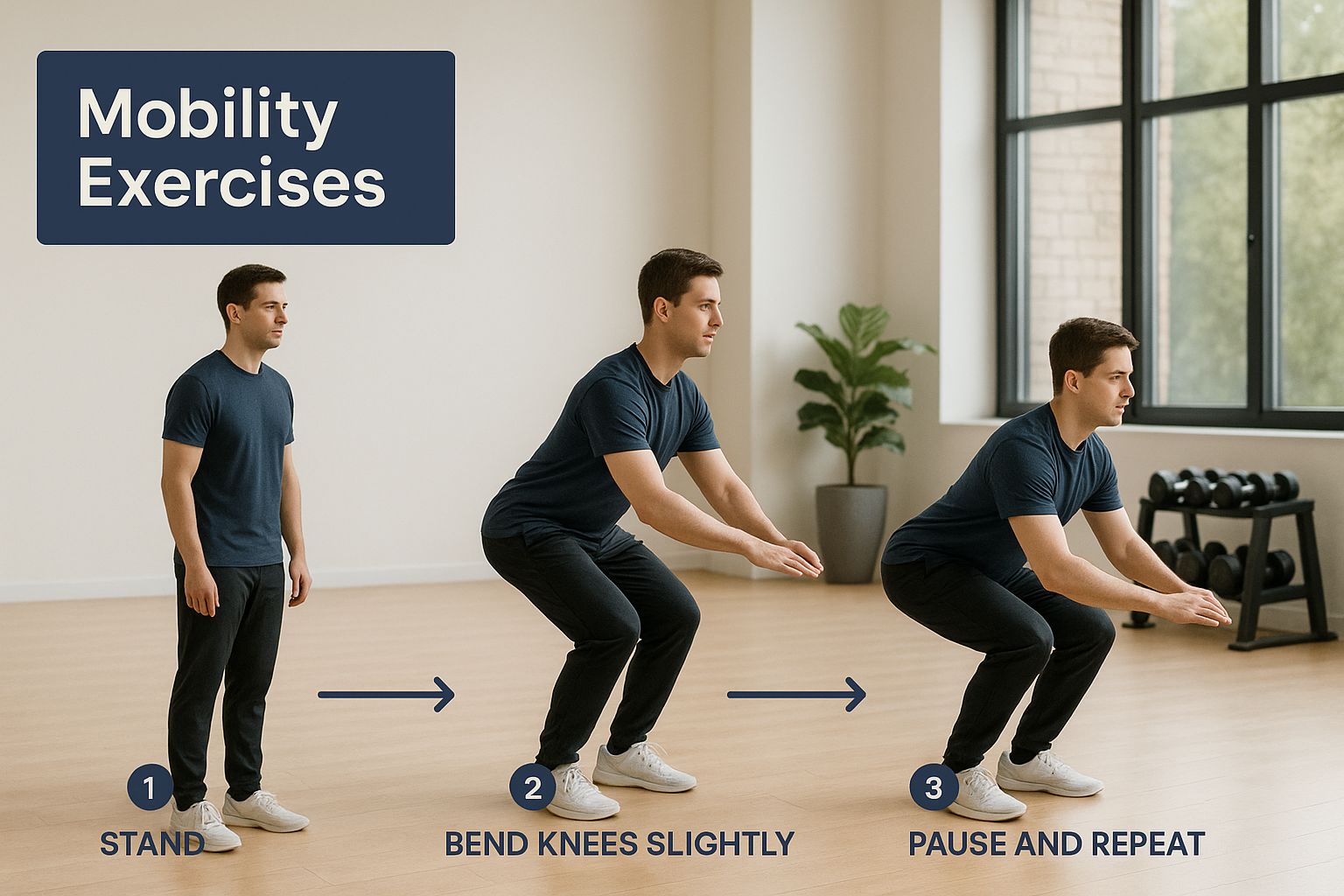
When your joints are sore, the very idea of exercise can feel intimidating. A common fear is that movement will just make the pain worse. But here's the truth: the right kind of movement is one of the most powerful tools you have. It acts like a natural medicine to reduce pain and improve mobility.
The real enemy here is inactivity. When you stop moving, muscles weaken, stiffness creeps in, and your joints lose their vital support system. The secret isn't to stop moving; it's to find activities that build you up without wearing you down.
Go For Low-Impact Cardio
Cardio is about getting your heart pumping, but high-impact activities like running can be harsh on sensitive knees and hips. Low-impact cardio is the perfect middle ground, giving you all the heart-health benefits without the jarring and pounding. These movements lubricate the joints, boost blood flow, and help you maintain a healthy weight, which takes a significant load off your knees, hips, and back.
Some top recommendations include:
- Swimming and Water Aerobics: The buoyancy of water is incredible—it supports your body weight, taking nearly all the pressure off your joints. The water’s resistance also provides a gentle way to build muscle.
- Cycling: Whether it's on a stationary bike or a gentle outdoor path, cycling is a fantastic non-weight-bearing exercise. Just make sure your bike is fitted correctly to you to avoid putting any awkward strain on your knees.
- Cross-Trainer (Elliptical): This machine mimics a running motion but your feet never leave the pedals, which completely eliminates the impact. It's an excellent, safe way to get a full-body workout.
Health Tip: A common question is, "How much should I actually be doing?" The best advice is to start small. Aim for just 10-15 minutes, three times a week. Consistency beats intensity every time. As you feel stronger, you can gradually increase the duration.
Build Your Body's Natural Brace
Strong muscles are the ultimate support system for your joints. When the muscles around your knees, hips, and back are robust, they absorb much of the shock and stress that would otherwise go straight to the joint cartilage. Think of these muscles as your body's own natural brace.
You don't need to become a bodybuilder. Simple, targeted strengthening exercises using your own body weight or light resistance bands can make a world of difference. For those with specific hip discomfort, honing in on that area is key. You can find some brilliant guidance in our detailed article on exercises for hip to get started.
Here are a few foundational moves to bring into your routine:
- Glute Bridges: Lie on your back, knees bent, feet flat on the floor. Lift your hips toward the ceiling, squeezing your glutes at the top. This is fantastic for strengthening the muscles that support your hips and lower back.
- Wall Sits: Lean your back flat against a wall and slide down until your knees are bent at a 90-degree angle, as if you're sitting in an invisible chair. Hold this for 20-30 seconds to build up your quadriceps, which are crucial for knee support.
- Clamshells: Lie on your side with your knees bent and stacked. Keeping your feet touching, simply lift your top knee. It looks easy, but this move is brilliant for strengthening the hip abductor muscles on the outside of your hip.
For people who love sports like golf, finding solutions for back pain and swinging pain-free is crucial to staying in the game. It’s all about adapting your movement to protect your joints.
Don't Forget Flexibility and Range of Motion
Strength is just one side of the coin; flexibility is the other. Stiff muscles and tight connective tissues can severely limit your range of motion, making even simple, everyday movements feel restricted and uncomfortable.
Gentle stretching and mobility work help to lengthen those tight muscles, improve circulation to the joints, and reduce that feeling of overall stiffness. This is where activities that combine mindful movement really shine.
Try incorporating one of these practices into your week:
- Gentle Yoga: Look for classes like restorative or Hatha yoga. These prioritise slow, controlled movements and holding gentle stretches, which can improve both your flexibility and your balance.
- Tai Chi: Often called "meditation in motion," this ancient practice uses slow, flowing movements that are incredibly kind to the joints. It’s been proven to reduce pain and improve function for people with arthritis.
- Daily Stretching: You don't need a full class. Just weaving a few key stretches for your hamstrings, quads, and calves into your daily routine can have a massive impact.
A good rule to follow is the "two-hour pain rule." It’s normal to feel some mild muscle soreness after a new activity. However, if you experience sharp, shooting, or significantly worse joint pain that lasts for more than two hours after you finish, you've likely pushed a bit too hard. See it as a signal to scale back a little next time. Learning to listen to your body is the most important skill you can develop.
Everyday Habits for Better Joint Protection
While targeted exercises and a smart diet are your heavy hitters for joint health, the small, consistent choices you make every day are just as powerful. These little adjustments add up, protecting your joints from the slow grind of daily wear and tear. Think of them as your first line of defence against future aches and stiffness.
It’s a bit like the tyres on a car. An overloaded vehicle wears its tyres out much faster. That’s a simple but spot-on analogy for how excess body weight puts a real strain on your hips and knees.
Lighten the Load on Your Joints
Maintaining a healthy weight is arguably the single most effective thing you can do for your joints. The science is clear: for every extra pound of body weight you carry, your knees have to deal with an extra four pounds of pressure with every single step.
Losing just 10 pounds can take 40 pounds of pressure off your knees. That reduction in force makes a huge difference. It slows down cartilage wear, eases existing pain, and can significantly lower your chances of developing osteoarthritis down the line.
Of course, age is another major player here. As we get older, musculoskeletal (MSK) conditions become more common. UK data for 2024 shows that a staggering 63% of people aged 75-84 are living with an MSK condition—the highest of any age group. This really brings home how much age-related wear can impact our joints. You can explore more on the impact of ageing on musculoskeletal health in the UK to see the full picture.
Master Your Posture
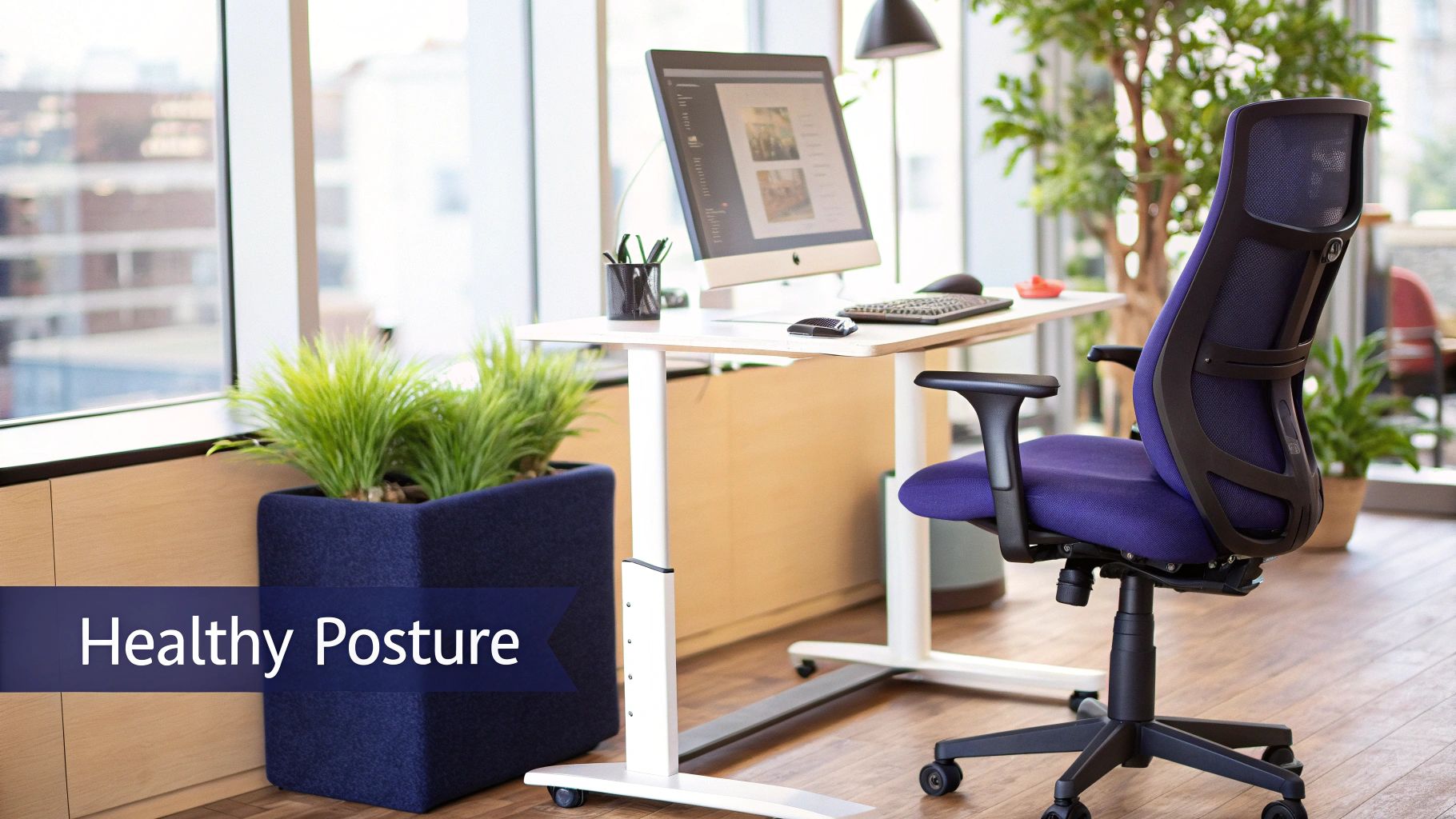
How you sit, stand, and move dictates where pressure goes in your body. Slouching concentrates stress on specific joints, which leads to strain and eventually pain. Standing tall spreads that load evenly, giving your joints a break.
Becoming more mindful of your alignment is a key lifestyle change. Here’s what to focus on:
- At Your Desk: Plant your feet flat on the floor and aim for a 90-degree angle at your knees and hips. Your screen should be at eye level (no more hunching!), and make sure your lower back has some support.
- While Standing: Try to keep your weight balanced across both feet. Gently engage your core muscles, roll your shoulders back and down, and align your ears over your shoulders.
- Lifting Objects: This is a big one. Always bend from your knees and hips, never your waist. Hug the object close to your body and let your powerful leg muscles do the work.
Choose Supportive Footwear
Your feet are your foundation, and your shoes are the shock absorbers for your entire body. The right footwear absorbs the impact that would otherwise travel up your legs to your knees, hips, and spine.
Look for shoes with:
- Proper Arch Support: This keeps your foot aligned correctly.
- Good Cushioning: A well-cushioned sole is essential, especially on hard surfaces.
- A Secure Fit: You want it snug enough that your heel doesn't slip, but with enough room for your toes to move freely.
Health Tip: Avoid flat, flimsy shoes like flip-flops or worn-out trainers for anything more than a short trip. Consciously choosing supportive footwear is a simple habit that provides a massive amount of protection for your joints.
Prioritise Restorative Sleep
Never underestimate the power of a good night's sleep. When you're sleeping, your body is in full repair mode, mending damaged tissues—and that includes the cartilage and connective tissues in your joints.
Sleep is also crucial for keeping inflammation in check. Not getting enough quality sleep has been directly linked to higher levels of inflammatory markers in the blood, which can make joint pain and stiffness much worse.
Aiming for 7-9 hours of quality sleep a night isn’t an indulgence; it's a fundamental part of keeping your joints healthy and mobile for the long haul.
When to See a Professional in the UK
Making changes to your diet and exercise is a fantastic first step, but sometimes it just isn't enough. If your joint pain persists, gets worse, or starts to interfere with your daily life, it’s time to seek professional medical advice. Knowing how to navigate the UK healthcare system can make the whole process feel less intimidating and get you the right support, faster.
Your local GP is always the best place to start. They can provide an initial diagnosis and get the ball rolling on a proper care plan. They’re trained to spot all sorts of conditions, including the musculoskeletal problems that cause joint pain.
Making the Most of Your GP Appointment
When you go in for that first appointment, being prepared makes a world of difference. Your doctor will need more information than just a simple "my knee hurts."
Before you go, consider the answers to these questions:
- The Pain Itself: When did it start? Is it a sharp, stabbing pain or more of a dull, constant ache? Does it come and go?
- Triggers and Relief: What makes it worse? Is it worse in the morning, after a long walk, or when you’ve been sitting still? And crucially, does anything make it feel better?
- The Real-Life Impact: How is this actually affecting you? Are you finding it tough to do your job, enjoy your hobbies, or even just get up the stairs?
Your GP will likely perform a physical examination, checking your joint's range of motion, and may ask about family history. Sometimes, they’ll need a closer look with diagnostic tests. For instance, a bone profile blood test can offer deeper insight into underlying bone health and mineral levels.
What Happens When You're Referred to a Specialist?
If your situation is more complex or first-line treatments aren't working, your GP will likely refer you to a specialist. This is a standard and positive step on the NHS pathway to ensure you see the right expert for your specific issue.
You’ll most likely be sent to one of two experts:
- A Rheumatologist: This is a doctor who specialises in arthritis and other inflammatory conditions affecting joints, muscles, and bones. If your GP suspects something like rheumatoid arthritis, this is who you'll see.
- A Physiotherapist: Physios are experts in movement. They use a combination of targeted exercises, hands-on therapy, and practical advice to help you move better, build strength, and reduce pain. A referral to a physio is incredibly common for managing osteoarthritis.
Remember, getting a referral isn't a failure. It’s a proactive move. It shows your GP is taking your pain seriously and wants an expert opinion to make sure you get the best possible treatment.
It's also worth knowing that public health in the UK looks at the bigger picture. Improving joint health isn't just about what happens in a clinic; it's also about tackling social factors like housing or access to green spaces. This integrated approach aims to reduce health inequalities. If you're interested in the data behind these national health goals, you can explore the government's Public Health Outcomes Framework.
The Kinds of Treatments You Might Be Offered
Once you have a clear diagnosis, your healthcare team will discuss treatment options with you. The aim is to build a plan that works for you—your condition, your symptoms, and your lifestyle.
Your plan could involve a mix of different approaches:
- Medication: This could range from over-the-counter painkillers like paracetamol or ibuprofen to prescribed anti-inflammatories or highly specialised drugs for conditions like rheumatoid arthritis.
- Pain Management: Beyond medication, techniques include TENS machines (which use mild electrical currents), heat or cold packs, or steroid injections directly into the joint to calm severe inflammation.
- Physical Therapies: This is the physiotherapist's domain. They'll provide a bespoke exercise programme to strengthen the muscles that support your joints, improve your flexibility, and teach you how to move in ways that don't cause more strain.
- Surgery: In some severe cases, when other treatments haven't worked and your quality of life is significantly impacted, surgery might be considered. The most common procedures are joint replacements, especially for hips and knees.
Navigating the healthcare system can feel complex, but knowing who to see and what to expect puts you back in the driver's seat. When you can have confident, informed conversations with your doctor, you become an active partner in your own care.
Answering Your Top Questions About Joint Health
When you decide to take control of your joint health, you're bound to have questions. Let's tackle some of the most common queries with clear, evidence-based answers.
Should I Be Taking Supplements Like Glucosamine or Collagen?
This is a very common question, and the scientific evidence is mixed. Glucosamine and chondroitin are natural components of cartilage, so the theory is that supplementing them could help protect it. However, clinical studies have not shown a consistent, significant benefit for most people.
Some individuals report feeling a difference, while others notice nothing. It's a similar story with collagen; while it's crucial for healthy cartilage, the science showing that a supplement directly improves joint health is still developing.
Health Advice: Supplements should never replace the proven cornerstones of joint health: a balanced diet, regular low-impact exercise, and maintaining a healthy weight. If you wish to try a supplement, consult your GP first, and give it a trial for a few months to see if you notice any personal benefit.
Can the Weather Really Make My Joints Hurt More?
It's not just an old wives' tale. Many people with arthritis report that their symptoms worsen with changes in the weather, and there’s some science to back this up. The leading theory relates to changes in barometric pressure.
Right before a storm, atmospheric pressure drops. This lower pressure may allow the soft tissues around your joints to expand slightly, creating pressure on sensitive nerve endings and triggering pain.
Lifestyle Tip: You can't change the forecast, but you can change how you manage it. On those damp, achy days, focus on gentle indoor movements. Try light stretching, a few minutes on a stationary bike, or applying a warm compress to ease the discomfort.
How Can I Start Exercising When I'm Already in Pain?
Getting moving when you're already sore feels counterintuitive. It’s a huge mental barrier, but overcoming it is one of the best things you can do for your joints. The trick is to start small and focus on what feels manageable, not on what you think you should be doing.
Here's a simple way to get started:
- Use Water: If you have access to a pool, the buoyancy of water is a game-changer. It supports your body weight, taking stress off your joints and allowing you to move with much less pain. Even just walking back and forth in the shallow end is a brilliant start.
- Prioritise Range of Motion: Before you even think about weights or resistance, just get things moving. While sitting on a chair, gently straighten and bend your knee. Do some slow, deliberate shoulder rolls. The goal here is simply to lubricate the joint.
- The "Little and Often" Rule: Ditch the idea of a 30-minute workout. Instead, aim for just five minutes of gentle movement, two or three times throughout your day. When you're managing pain, consistency always trumps intensity.
And always, always follow the two-hour pain rule. If your joints are significantly more painful for more than two hours after you've exercised, you've overdone it slightly. Just scale it back a bit next time. Listening to your body is the single most important skill to learn.
At The Lagom Clinic, we know that managing joint health isn't a one-size-fits-all process. Our private GP services in Bristol are built around giving you the time and in-depth expertise you need. We'll work with you to develop a plan that truly fits your life, from musculoskeletal medicine to practical lifestyle advice. If you’re looking for proactive, personalised care, learn more about our approach at https://www.thelagom.co.uk.


 Members Consultation