


Mapping Your Shoulder Surgery Recovery Timeline
Thinking about your shoulder surgery recovery is less like waiting for a finish line and more like navigating a journey with distinct stages. Each stage needs to be solid before you can safely build the next one on top. A little patience and consistent effort now will pay dividends later, giving you a strong, stable shoulder for years to come.
This progression, from the initial healing right after surgery to regaining full strength, is a carefully orchestrated process. It always starts with a period of protection and, if all goes well, ends with you getting back to your normal life. Medically sound advice and proactive lifestyle choices are your best tools to ensure a smooth journey.
The Initial Healing Phase
Immediately after your operation, the primary goals are managing your comfort and protecting the joint. You'll be in a sling to keep your arm still, which is absolutely vital. This immobilisation gives the delicate tissues that were just repaired the uninterrupted time they need to start mending. This phase is all about rest, letting your body's amazing healing processes do their job.
For many procedures, like a shoulder replacement in the UK, this protective stage is non-negotiable. Most people go home with a sling that they need to wear pretty much constantly for up to six weeks – yes, even while sleeping. While a full recovery can take closer to six months, you'll likely be able to manage basic things like dressing and washing yourself around that six-week mark. You can get a good overview of what to expect from BUPA's health information guide.
Reintroducing Movement and Strength
Once that initial healing is well underway, your focus will start to shift. This is where you begin the active part of your recovery, always guided by a physiotherapist. We move from just protecting the joint to carefully reintroducing movement and gradually rebuilding the muscles around it. A healthy lifestyle during this phase can significantly enhance your progress.
Think of your physiotherapist as the architect of your recovery. They design a precise blueprint of exercises and stretches to safely restore your shoulder's strength, stability, and range of motion, making sure every "brick" is laid correctly.
To help you visualise this, the table below breaks down the typical phases. It’s a general guide, but it gives you a clear picture of what to expect as you move from one stage to the next.
Typical Shoulder Surgery Recovery Phases
| Recovery Phase (Time Post-Op) | Key Activities & Abilities | Common Restrictions | Main Rehabilitation Goal |
|---|---|---|---|
| Phase 1: Protection (0-6 Weeks) | Rest, sling use, simple pendulum swings, and hand/wrist exercises. | No active arm movement, lifting, or driving. Sling worn at all times. | Control pain and swelling; protect the surgical repair. |
| Phase 2: Passive Motion (6-12 Weeks) | Physiotherapist-led passive stretching, gradual removal of sling for light tasks. | No lifting objects heavier than a kettle. Avoid sudden movements. | Gently restore range of motion without straining the repair. |
| Phase 3: Active Motion (12-16 Weeks) | Begin active, unassisted shoulder movements. Light strengthening with resistance bands. | No heavy lifting or overhead activities. Avoid high-impact sports. | Re-establish muscle control and begin building endurance. |
| Phase 4: Strengthening (4-6 Months) | Progressive resistance training, sport-specific drills, and functional exercises. | Gradually reintroduce more demanding activities with physio approval. | Regain full strength, power, and function for a return to all activities. |
This structured approach ensures that you're not just healing, but truly rehabilitating your shoulder for long-term success.
This infographic also provides a great visual summary of the journey, showing how you progress from being immobilised to actively strengthening the joint.
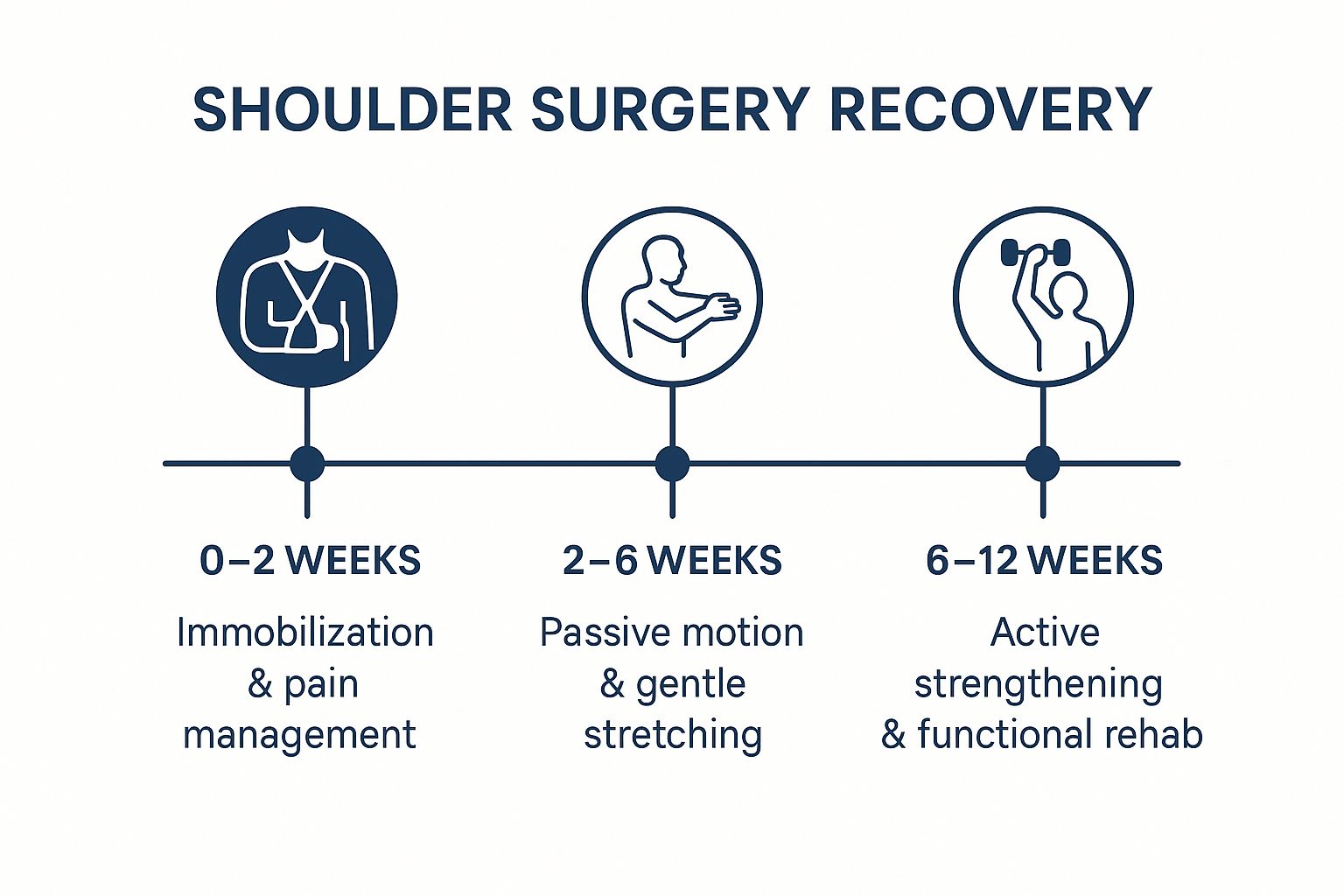
It’s a clear illustration of how recovery is carefully layered, moving from passive exercises to more active work over several weeks.
Remember, every person and every surgery is unique, and your timeline will be influenced by a whole host of factors. While a shoulder recovery has its specific milestones, you might find it interesting to see how the core principles apply elsewhere. For instance, you can compare it to what we've written in our detailed guide on the ACL surgery recovery timeline, which follows a similar phased approach to rehabilitation. Ultimately, listening to your surgeon and physio is the surest way to navigate your own recovery journey successfully.
Navigating the First Six Weeks of Healing
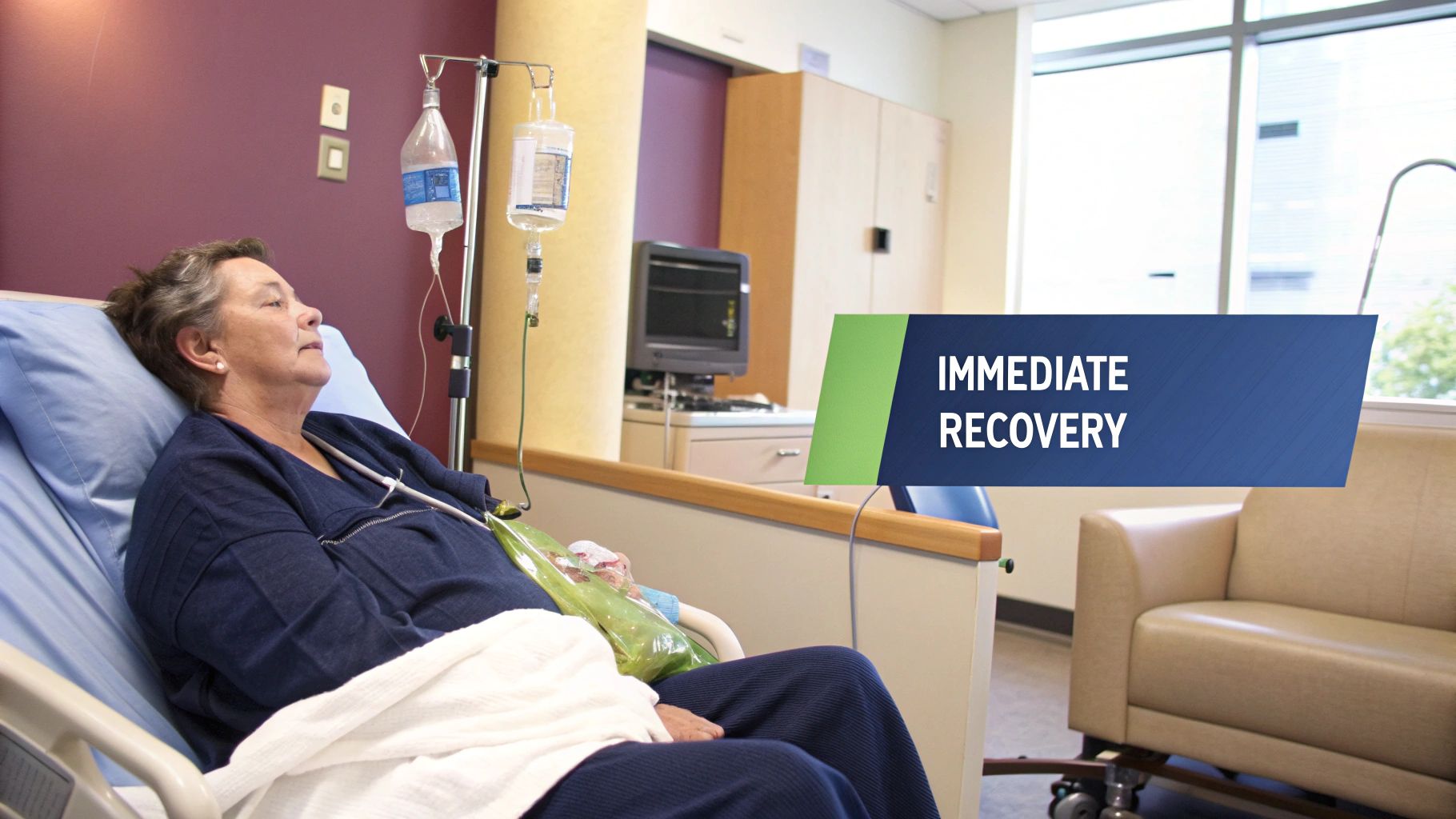
The first six weeks after your operation are all about laying a solid foundation for your recovery. Your main job during this time is to protect the surgeon’s hard work. Your sling is the essential scaffolding holding everything in place while the deep tissues knit themselves back together.
Your surgeon's instructions are paramount, but one thing is almost always universal: wear your sling religiously. Yes, even while sleeping. It’s your best defence against any sudden, unintentional movements that could disrupt the repair. This phase isn't about active rehab—it's about creating the perfect, quiet environment for your body to begin its incredible healing process.
Mastering Pain and Swelling Management
Getting on top of pain and swelling is one of the biggest hurdles in these early days. While following your prescriptions is vital, certain lifestyle changes can significantly improve your comfort.
Health Tip: Cold therapy will become your best friend. Applying an ice pack for 15-20 minutes at a time, several times a day, is a scientifically proven way to numb pain and calm inflammation by constricting blood vessels. Always place a thin towel between the ice pack and your skin to prevent ice burn.
Post-operative swelling is another major factor. Some people find complementary treatments like a Lymphatic Drainage Massage can help, but a simple and effective lifestyle change is to use gravity to your advantage. Many people find sleeping in a recliner or propped up with pillows far more comfortable than lying flat. This slight elevation helps drain fluid away from the shoulder, reducing both swelling and pressure.
Practical Tips for One-Handed Living
Life with one arm out of action takes a bit of getting used to, but a little forward planning makes all the difference and keeps frustration at bay.
Clothing and Personal Care:
- Embrace loose clothing: Button-front shirts, zip-up hoodies, and comfy trousers with elastic waists will be your go-to items.
- Rethink getting dressed: When putting on a shirt, guide the sleeve over your operated arm first. Then, use your good arm to pull the rest of the shirt over your head and into the other sleeve. To take it off, just do the reverse.
- Set up your bathroom: A long-handled sponge or brush can be a lifesaver in the shower, and an electric toothbrush makes cleaning your teeth much less of a chore.
"Your mindset during this phase is just as important as your physical actions. Accepting the need for rest and assistance is a sign of strength, not weakness. It's a temporary adjustment for a long-term gain."
Meal times can be simplified too. Focus on nutrient-dense, easy-to-prepare foods. Think pre-chopped vegetables, ready-cooked proteins, and whole grains. Most importantly, don't be afraid to lean on your support network. Letting friends and family help with daily chores frees up your energy for the one thing that truly matters: healing.
Why Physiotherapy Is Your Most Important Tool
If your surgery was the blueprint for rebuilding your shoulder, then physiotherapy is the skilled construction crew that actually brings it back to life. It’s not an optional extra; it is the single most important factor in determining the quality of your recovery. Your physiotherapist is an expert in musculoskeletal rehabilitation, guiding you through a carefully planned programme designed to reduce your overall shoulder surgery recovery time.
This process is grounded in the science of tissue healing. Right after your operation, your therapist will introduce gentle, passive movements. This means they move your arm for you. This early intervention is critical for preventing the formation of excessive scar tissue, which can lead to a stiff, painful "frozen" shoulder.
As the weeks go by and your shoulder starts to heal, you’ll gradually move into active-assisted and then fully active exercises. This is where you start taking back control, powering the movements yourself. These exercises are neurologically important; they re-establish the connection between your brain and your shoulder muscles, rebuilding the coordination you need for smooth, controlled movement.
Making Your Physiotherapy Sessions Count
To get the most out of physiotherapy, you must see it as a partnership. It’s not just about showing up for your appointments; it’s about being an active participant in your own recovery.
The real magic happens with the exercises you do at home. Consistency is everything. You'll get far better results by doing your exercises for 10-15 minutes several times a day than you would from one long, painful session. This approach, known as "little and often," provides regular stimulus to healing tissues without overwhelming them.
Success in physiotherapy is a two-way street. Your therapist provides the map and the guidance, but you are the one who has to walk the path every single day. Your commitment outside the clinic is what transforms a good surgical result into a great one.
Managing Discomfort and Staying Motivated
It is normal to feel some discomfort during physiotherapy. The trick is learning to tell the difference between the "good" ache of healing tissues being stretched and the "bad" pain that signals you're overdoing it.
Here are a few medically sound tips to help you navigate this:
- Speak Up: Be completely honest with your therapist about what you're feeling. Sharp, stabbing pain is a warning sign. They can modify exercises to achieve the same goal without causing harm.
- Time Your Pain Relief: If you've been prescribed pain medication, taking it 30-60 minutes before a session can reduce discomfort and allow for a more effective session.
- Ice is Your Friend: Applying a cold pack for 15 minutes after your sessions is a proven method for reducing post-exercise inflammation and soreness.
It can be tough to stay motivated, especially when progress feels slow. The key is to focus on objective, small wins—reaching an inch higher than last week, or being able to hold a cup of tea without wincing. Every tiny improvement is a victory.
Lifestyle Choices That Accelerate Healing

While your physiotherapist guides your physical rehab, the daily lifestyle choices you make play a massive role in how quickly and effectively you recover from shoulder surgery. Your body is a healing machine, but it needs the right fuel and rest to rebuild itself properly. Supporting your body from the inside out is a scientifically-backed strategy to create the perfect environment for tissues to mend.
Fuel Your Body for Tissue Repair
After an operation, your body’s nutritional needs increase significantly. It's working overtime to repair muscles, tendons, and ligaments, and it requires the right building blocks. What you eat can either be a massive help or a significant hindrance.
Health Advice: Adopt an anti-inflammatory diet. This means choosing whole, nutrient-packed foods that calm inflammation rather than promoting it.
- Protein is paramount: It provides the amino acids essential for tissue repair. Ensure every meal contains lean sources like chicken, fish, beans, lentils, or Greek yoghurt.
- Vitamins are your allies: Vitamin C is crucial for building collagen (the scaffolding for new tissue), while Vitamin D and calcium are essential for bone health. Load up on citrus fruits, leafy greens, and fortified dairy.
- Healthy fats fight inflammation: Omega-3 fatty acids, found in oily fish like salmon, as well as walnuts and flaxseeds, are scientifically proven to help manage the body's inflammatory response.
Prioritising a diet rich in these key nutrients is like giving your body's repair crew all the best tools and materials. Conversely, a diet high in processed foods, sugar, and unhealthy fats can promote inflammation and slow down healing.
The Critical Role of Restorative Sleep
Never underestimate the power of sleep. It’s when your body does its most important repair work. During deep sleep, your body releases growth hormone, which is vital for regenerating tissue. Of course, getting comfortable sleep in a sling is a challenge.
Lifestyle Tip: To improve sleep quality, sleep propped up in a recliner or use a wedge pillow in bed. This takes pressure off the repaired shoulder and can help reduce swelling. Create a relaxing bedtime routine: avoid screens for an hour before bed and ensure your room is cool, dark, and quiet to signal to your body that it’s time to switch into repair mode.
Here's a quick guide to making the right choices with your nutrition and sleep during recovery.
Nutrition and Sleep Tips for Optimal Healing
| Recovery Aspect | What to Emphasise (Do This) | What to Limit or Avoid (Not That) |
|---|---|---|
| Diet & Nutrition | Whole foods, lean protein (chicken, fish), fruits, vegetables, and healthy fats (avocado, nuts). | Processed foods, sugary drinks, excessive refined carbs, and fried foods that can increase inflammation. |
| Hydration | Plenty of water throughout the day to help transport nutrients to your healing tissues. | Sugary juices, fizzy drinks, and excessive caffeine, which can lead to dehydration. |
| Sleep Position | Sleeping propped up on your back (recliner or with pillows) to reduce shoulder pressure. | Sleeping flat on your back or on your side, especially on the operated shoulder. |
| Bedtime Routine | Creating a calming pre-sleep ritual: reading, gentle stretching (as advised), and a dark, quiet room. | Using phones or watching TV right before bed, as the blue light can disrupt sleep patterns. |
Making these scientifically-backed lifestyle adjustments can have a surprisingly big impact on the quality and speed of your recovery.
Staying Mentally Resilient
The mental aspect of recovery is just as crucial as the physical one. It's normal to get frustrated when progress feels slow. However, maintaining a positive, patient mindset can genuinely help. Chronic stress increases cortisol levels, which can impede healing, so managing stress is a sound medical strategy.
Remember to celebrate the small wins. Did you put on a T-shirt by yourself for the first time? These little milestones are proof that you're heading in the right direction. For those wanting to take an even more proactive role, there are many ways to improve joint health with simple lifestyle tweaks.
You can also explore these top strategies for quick healing and recovery to give your body every possible advantage on its journey back to full strength.
Returning to Work, Driving, and Hobbies Safely
Getting back to your normal routine is a massive milestone after shoulder surgery. But returning too soon can cause serious setbacks. Patience and a gradual re-entry are key. You wouldn’t go from a gentle walk to a full-on sprint overnight, and the same logic applies here. Every decision should be made in consultation with your surgeon and physiotherapist.
Easing Back into Your Job
The timeline for returning to work depends entirely on the physical demands of your job.
If you have a desk-based job, you might be able to return within 2 to 4 weeks, provided your pain is controlled and you have an ergonomic setup. For any role that involves manual labour, lifting, or repetitive overhead movements, you’re looking at a much longer wait – often 3 to 6 months or more.
Health Tip: Discuss a phased return with your employer. This could mean starting with reduced hours, modified (lighter) duties, or a temporary period of working from home. This is a crucial step to prevent re-injury.
Getting Behind the Wheel Again
Driving requires more strength and control than most people realise. You need to react instantly and handle the car safely in an emergency without pain or hesitation.
Before you consider driving, you must meet these criteria:
- You must be completely out of your sling.
- You must not be taking any strong pain medication that could cause drowsiness.
- Your surgeon must give you explicit approval.
- You need sufficient strength and range of motion to control the car safely.
Important Advice: You must inform your car insurance provider about your surgery. Driving without their approval could invalidate your policy. A safe test is to sit in your stationary car and practise turning the wheel and using the gearstick to ensure you can do so comfortably and without pain.
Reintroducing Sports and Hobbies
This is the moment most people wait for, but it carries the highest risk if rushed. Your return to sport will be a slow, methodical process, mirroring the phased approach of your physiotherapy.
You’ll start with low-impact activities like walking or a stationary bike. As your strength and control improve, your physiotherapist will introduce sport-specific drills. A tennis player, for example, might start with gentle underhand tosses long before attempting a full-power serve.
Listening to your body is paramount. If an activity causes sharp pain, stop immediately. A successful return to the things you love isn’t about speed; it’s about a smart, safe progression that allows you to enjoy them for years to come.
What Affects How Quickly You'll Recover?
While we can talk about average timelines, your personal journey back from shoulder surgery will be entirely your own. Think of the general timelines as a rough map, but your actual path will have its own unique twists and turns. Several key things can speed up or slow down your progress, and getting a handle on them helps you set realistic expectations.
The biggest factor, naturally, is the type of surgery you had. A simple, keyhole procedure to clean out the joint (an arthroscopy) is worlds away from a complex rotator cuff repair or a full shoulder replacement. The more intricate the surgery, the more tissue is involved, and the longer your body needs to heal before you can push it in rehab.
Your Health Before the Operation
How you go into surgery has a massive impact on how you come out of it. It’s a bit like preparing for a marathon – the better your fitness level at the starting line, the stronger you'll finish.
A few personal factors really matter here:
- Age and General Health: It's no secret that younger people tend to heal faster. If you're fit and well, without other health issues like diabetes, your body's repair systems are just more efficient.
- Pre-op Strength: If your shoulder muscles were in good shape before the operation, you're not starting from scratch. You’ve got a much better foundation to build on.
- Lifestyle Choices: Smoking is a real recovery killer. It narrows your blood vessels, which basically starves the healing tissues of the oxygen they desperately need. This can slow things down dramatically.
Your Surgeon's Experience and Your Own Commitment
The skill of your surgeon is, of course, a critical piece of the puzzle. It’s interesting to note that a large UK study looked at over 39,000 shoulder replacements and found a clear link between a surgeon's experience and the patient's outcome. When surgeons perform more than ten of these operations a year, their patients tend to have fewer complications. You can dig into the shoulder replacement surgery findings yourself.
But when all is said and done, the single most important factor you can control is you. Your dedication to your physiotherapy programme is what turns a successful operation into a successful recovery.
This isn't just about showing up for appointments. It's about doing your exercises at home, every single day, exactly as you've been shown. That consistent effort is what coaxes your muscles back to life, restores your movement, and truly makes the surgery a long-term success. You are the engine of your own recovery.
Common Questions After Shoulder Surgery
Going through shoulder surgery can feel like stepping into the unknown, and it’s completely natural to have a long list of questions. Getting clear, reliable answers is one of the best ways to quieten any anxieties and feel more in control of your recovery.
Let's walk through some of the things our patients ask about most often.
How Can I Sleep Comfortably?
This is probably the number one concern for anyone in the first few weeks. Trying to sleep while protecting a sore, post-op shoulder is a real challenge.
Most people find that sleeping in a recliner is the best bet, at least for a little while. If you don't have one, propping yourself up in bed with a good fortress of pillows works too. The key is to stay on your back and avoid putting any pressure on the joint.
What About Showering and Getting Washed?
Simple daily tasks like showering suddenly become major logistical puzzles. Your main job is to keep that incision site completely dry until your surgeon gives you the green light.
A waterproof dressing is non-negotiable. Many people also find a detachable, handheld shower head invaluable – it lets you wash easily with your good arm while keeping the other one well out of the way.
What Are These Strange Noises My Shoulder Is Making?
As you start to heal, you might notice some odd sounds coming from your shoulder – a click here, a pop there, maybe even a bit of a grinding sensation. It can be unnerving, but it’s usually just a normal part of the healing process. Tissues are settling back into place and old scar tissue is breaking down.
The rule of thumb is this: if the sound comes with a sharp, sudden pain, get it checked out by your surgeon or physio. Otherwise, it’s likely nothing to worry about.
Is This a Common Operation?
Shoulder surgery is definitely becoming more common. In England, for instance, the number of elective shoulder replacements is climbing fast. Projections show these procedures could jump by a massive 234% by 2050 – from just over 6,273 in 2019 to a potential 20,912 each year. If you're interested, you can discover more about these surgical trends and what they mean for healthcare.
This growing number really drives home how important it is for patients to understand what the recovery journey actually looks like.
The goal of recovery isn't just to heal the surgical site, but to restore your confidence in using your shoulder. Every question you ask and every milestone you reach is a step towards regaining that full, confident function.
Remember, there's no such thing as a silly question. Your medical team is your best resource, and staying informed is a powerful tool for a smooth and successful recovery.
At The Lagom Clinic, we believe in a proactive and supportive approach to your health, from preparing for surgery to optimising your recovery. Our expert team provides personalised guidance on lifestyle, nutrition, and musculoskeletal health to help you achieve the best possible outcome. To learn more about our private GP services in Bristol, visit us at https://www.thelagom.co.uk.


 Members Consultation