


Talking about sexual health can feel a bit awkward, but getting a check-up shouldn't be. A sexual health screen is simply a routine, confidential check for sexually transmitted infections (STIs), and it's something you can do even when you feel perfectly fine.
Think of it like a dental check-up or a visit to the optician—it’s a proactive part of looking after your overall health. It’s all about catching any potential issues early, getting scientifically-backed advice, and giving you peace of mind.
Demystifying Sexual Health Screening
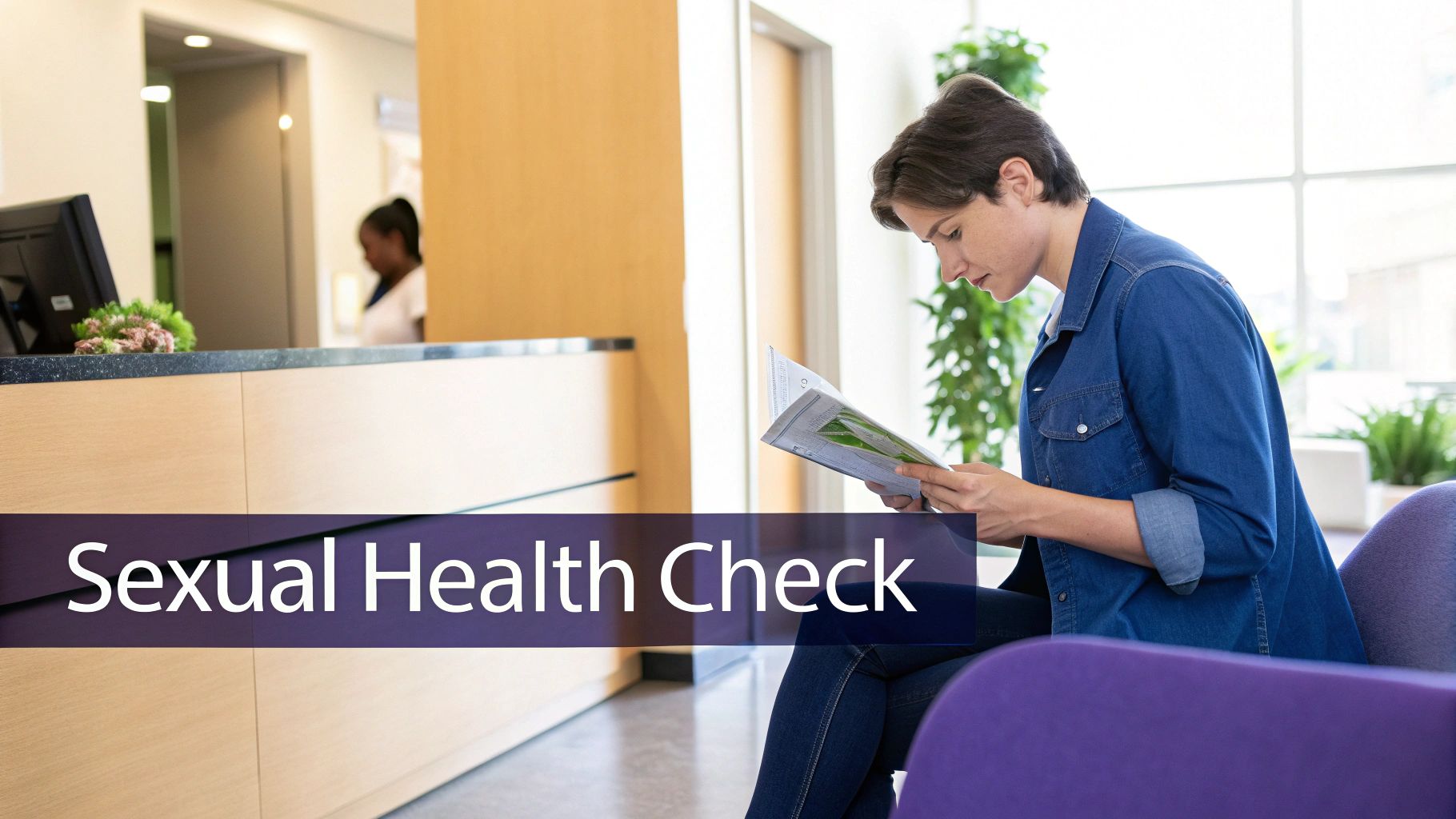
When we hear "medical test," our minds often jump to illness. A sexual health screen is different; it's fundamentally a wellness check that puts you in the driver's seat of your health.
Consider it a bit like an MOT for your car. You don't wait for a breakdown on the motorway to get it serviced. You take it in for regular maintenance to make sure everything is running smoothly and safely. A sexual health screen works on the same principle of prevention and early detection.
The reality is that many STIs don't show any obvious symptoms, especially in the early stages. This means screening is often the only way to know for sure what’s going on, empowering you to protect your long-term health and that of your partners.
For a quick overview, this table breaks down the essentials.
Sexual Health Screening At a Glance
| Concept | Brief Explanation |
|---|---|
| What It Is | A set of confidential tests for common sexually transmitted infections (STIs), done as a routine health check. |
| Why It's Important | Many STIs are asymptomatic. Screening provides peace of mind and allows for early treatment, protecting your health and your partners'. |
| Who Should Be Screened | Anyone who is sexually active, especially when changing partners, or if you simply want reassurance. |
This process is a normal and responsible step for anyone who is sexually active.
Core Components of a Screening
So, what is sexual health screening in practice? It’s a series of straightforward tests to check for common infections. The entire process is discreet and personalised based on your circumstances.
A typical screening usually includes:
- A Confidential Conversation: You'll have a chat with a healthcare professional to discuss your history and lifestyle to figure out which tests make the most sense for you. This is also your chance to ask questions and receive tailored health advice.
- Simple Sample Collection: This is nothing to worry about. It might involve a urine sample, a blood test, or a quick, gentle swab.
- Accurate Lab Analysis: The samples are sent off for testing, and you get your results back quickly and confidentially.
The real goal of screening isn't to find something wrong—it's to confirm that everything is okay. It’s a completely normal, judgment-free process that provides clarity and allows you to move forward with confidence.
By breaking down what a screening actually involves, we can see it for what it truly is: a sensible, positive step towards managing your health.
Why Regular Screening Is Vital for Your Wellbeing
Think of a sexual health screening as a routine MOT for your body. It’s a way to check that everything is running smoothly under the bonnet, often catching small issues before they have a chance to become major problems. This proactive mindset is key, especially because many common STIs are notoriously silent.
Infections like chlamydia and gonorrhoea, for instance, often don’t show any symptoms at all. This means you could be carrying an infection without even realising it, potentially passing it on to your partners and putting your own long-term health at risk. Regular screening clears up that uncertainty.
Getting checked isn’t about expecting bad news; it’s about taking charge of your wellbeing. It’s one of the most responsible things you can do for yourself and for the people you care about.
The Pillar of Early Detection
The single biggest advantage of getting screened regularly is early detection. Finding an infection in its earliest stages makes treatment far simpler and stops it from spiralling into a more serious health concern.
Left unchecked, some STIs can lead to significant complications down the line, such as pelvic inflammatory disease (PID), which can impact fertility. But when you catch an issue early, it can usually be sorted with a simple course of treatment, protecting your health for the future.
This principle of early awareness also applies to wider reproductive health. Understanding the importance of early diagnosis for reproductive conditions like PCOS and Endometriosis shows just how critical proactive checks are for your overall wellbeing.
Preventing Onward Transmission
Knowing your status isn't just about you—it’s a fundamental act of respect for your partners. When you get tested, you help break the chain of transmission.
This is a powerful tool for public health. Here in the UK, screening is a cornerstone of managing and reducing the spread of STIs. The UK Health Security Agency (UKHSA) reports that around 2.38 million screening tests are carried out each year for infections like chlamydia, gonorrhoea, syphilis, and HIV. This widespread effort works. Consistent screening programmes have helped achieve a 39% drop in new HIV diagnoses in London since 2015, a clear example of early detection making a massive difference.
Making screening a normal part of your life, particularly when you start seeing someone new, helps build a relationship based on trust and open communication.
Peace of mind is an underrated health benefit. Knowing your sexual health status removes worry and anxiety, allowing you to engage in relationships with confidence and honesty. It transforms a potential source of stress into an affirmation of your proactive approach to wellness.
Safeguarding Your Long-Term Health
Your sexual health is completely intertwined with your overall health. Think of regular screening in the same way you’d think about getting your blood pressure or cholesterol checked—it’s a crucial part of a preventative health strategy.
Taking this simple step helps you build a healthier future. It allows you to:
- Protect Your Fertility: Treating many STIs early is vital for preventing complications that could affect your ability to have children one day.
- Reduce Other Health Risks: Some untreated STIs can make you more vulnerable to other viruses or lead to chronic health issues.
- Foster Open Communication: Normalising conversations about sexual health with partners and doctors builds stronger, more honest relationships.
Ultimately, making regular screening part of your routine is an investment in your lifelong wellbeing. It’s a straightforward, responsible step that gives you clarity, protects you and others, and empowers you to live a full and healthy life.
What to Expect From Common STI Tests in the UK
When you book a sexual health screening, you aren't just getting a single, one-size-fits-all test. It's more like a panel of specific checks for the most common sexually transmitted infections (STIs). Getting to know what these tests involve and why they’re so important can take the mystery out of the whole process. It really is just a sensible part of looking after yourself.
Each test is designed to be as straightforward and non-invasive as possible. The aim is to get a clear, accurate picture of your health with minimal fuss, usually through simple methods like a urine sample, a blood test, or a gentle swab. Let’s break down what a typical screen in the UK usually covers.
Chlamydia: The "Silent" Infection
Chlamydia is one of the most widespread STIs in the UK, mostly because it often shows no symptoms at all. This silence is exactly why regular screening is so vital; you could have it and feel perfectly fine, but if left untreated, it can cause serious long-term problems, especially for women's reproductive health.
Thankfully, the test itself is incredibly simple. It’s usually just a quick urine sample or, for women, a self-taken vaginal swab. It’s painless, takes moments, and is highly effective at spotting the infection.
Chlamydia remains the most commonly diagnosed STI among young people aged 15 to 24 in England. To tackle this, the National Chlamydia Screening Programme (NCSP) ran nearly 979,000 tests for this age group in 2023. But with challenges in maintaining coverage, making a proactive choice about your own health has never been more important.
Gonorrhoea: A Very Treatable Concern
Just like chlamydia, gonorrhoea can fly under the radar without any obvious symptoms, meaning many people don’t realise they have it. When symptoms do show up, they might include things like unusual discharge or a bit of pain when you pee. If it isn't treated, it can lead to more serious issues, including pelvic inflammatory disease (PID) and even infertility.
Screening for gonorrhoea is just as easy. The very same urine sample or swab used to check for chlamydia is often used to test for gonorrhoea at the same time, which makes the whole process incredibly efficient. The best part? Early detection means it can be cleared up easily with a course of antibiotics.
Syphilis: The Multi-Stage Infection
Syphilis is a bacterial infection that can get progressively worse if you don't treat it. The first sign might be a single, painless sore that’s easy to miss or mistake for something else. If it isn't caught early, it can lead to very serious complications affecting the heart, brain, and other organs years down the line.
The good news is that a simple blood test is all it takes to detect syphilis. A tiny sample of blood gives a clear result. Because the potential for long-term damage is so severe, screening for syphilis is a standard—and crucial—part of any thorough sexual health check. For more on what to expect from this kind of test, feel free to read our guide on private blood testing in the UK.
HIV: Now a Manageable Condition
Human Immunodeficiency Virus (HIV) is a virus that attacks the body’s immune system. While there isn't a cure, modern medicine has completely changed the outlook. Early diagnosis and today's treatments mean people with HIV can live long, healthy, and full lives. The key is finding out your status as soon as possible so you can start treatment and prevent passing it on.
A straightforward blood test or even a saliva swab can detect HIV. Some rapid tests can even give you a result in as little as 20 minutes. Regular screening is a must if you've had unprotected sex or have recently changed partners.
Knowing your status is empowering. A positive result today is not a life sentence—it's the first step towards managing your health brilliantly and protecting others. Modern medicine has truly transformed HIV into a manageable long-term condition.
For a clearer picture, here’s a quick guide to how these common tests compare.
Guide to Common STI Tests in the UK
This table breaks down the most common STIs, their testing methods, and why spotting them early is so important.
| Infection | Typical Test Method | Importance of Screening |
|---|---|---|
| Chlamydia | Urine sample or a self-taken swab. | Often has no symptoms but can affect fertility if untreated. Early detection allows for simple antibiotic treatment. |
| Gonorrhoea | Urine sample or a swab, often tested simultaneously with chlamydia. | Can be asymptomatic and lead to serious health issues. Easily treatable with antibiotics when caught early. |
| Syphilis | A simple blood test. | Can cause severe long-term organ damage if left untreated. Early detection ensures effective treatment. |
| HIV | Blood test or a saliva swab. | Crucial for early diagnosis to start treatment, manage the condition, and prevent transmission to others. |
At the end of the day, a sexual health screen is just a collection of simple, yet powerful, health checks. Each test gives you vital information, helping you stay firmly in control of your wellbeing.
What to Expect During Your Screening Appointment
Walking into a sexual health screening can feel a bit daunting, especially if it’s your first time. Let’s demystify the process. Whether you go through the NHS, your GP, or a private service like The Lagom Clinic, the whole experience is designed to be professional, confidential, and surprisingly straightforward. It’s really just a chat and a few simple checks focused entirely on you.
From the moment you book your appointment to the second you walk through the door, the priority is to make you feel at ease. It's a judgement-free zone where you can feel empowered to take charge of your health.
The Confidential Consultation
Your appointment will kick off with a private conversation with a doctor or a specialist nurse. Think of this as the foundation for your screening. It’s a safe space for you to be completely open, which helps them figure out exactly which tests are right for your situation.
They’ll ask a few questions about your sexual history. This isn't about being nosy; it's about building a clear picture of any potential risks so they can give you the best possible care.
Questions you might be asked include:
- When you last had sex, and if you have any new or multiple partners.
- The type of sex you’ve had (e.g., oral, vaginal, or anal).
- Whether you typically use protection like condoms.
- If you've noticed any symptoms, no matter how small they seem.
This information is crucial. It allows the clinician to personalise your screening, making sure no stone is left unturned and your results are as accurate as possible.
Simple and Painless Sample Collection
After the chat, it's time to collect the samples. This part is quick, usually painless, and often you can even do it yourself in private. The healthcare professional will walk you through exactly what’s needed.
The whole sample collection process is designed for comfort and accuracy. It’s far less intimidating than most people think and is usually over in a few minutes, giving the lab everything it needs for a clear result.
This infographic breaks down the most common ways samples are collected.

As you can see, the methods are simple and minimally invasive, always keeping your comfort in mind.
Getting Your Results and Next Steps
Once the lab has your samples, they get to work. The turnaround time for results can vary, but you’ll be told exactly when and how to expect them—often via a secure text, a phone call, or an online portal.
The whole process is completely confidential. If your tests come back negative, that’s fantastic news and brings wonderful peace of mind.
But if a test comes back positive, please don’t panic. This is precisely why screening is so valuable; you’ve caught something early. You’ll be contacted discreetly to discuss the next steps. The good news is that most common STIs are easily cleared up with a simple course of antibiotics or other medication.
Your healthcare provider will explain what the result means, sort out your treatment, and give you advice on letting any recent partners know they should get tested too. It's a vital step to stop infections from spreading, and it’s always handled with sensitivity and support. From start to finish, the entire journey is managed professionally and without an ounce of judgement.
Lifestyle Choices That Support Your Sexual Health
Getting to grips with what is sexual health screening is a brilliant first step, but it’s really only one piece of the puzzle. The choices you make every day build a strong foundation for your long-term wellbeing, and they work hand-in-hand with regular testing to give you complete peace of mind.
Think of it this way: screening is your car's MOT, while these lifestyle habits are the daily checks and maintenance that keep it running smoothly. By adopting these scientifically-sound practices, you're not just reacting to potential problems; you're proactively taking control, reducing your risks, and nurturing healthier relationships.

Embrace Consistent Barrier Protection
Health Tip: One of the simplest and most effective ways to prevent the spread of most STIs is to consistently and correctly use barrier methods. Condoms are a medically-proven and reliable tool to have in your sexual health toolkit.
When used every single time you have sex, they create a physical barrier that drastically cuts the risk of infections like chlamydia, gonorrhoea, and HIV. It’s a straightforward habit that offers a huge amount of protection for both you and your partner.
The Power of Open Communication
Health Tip: Never underestimate the importance of an honest chat. Talking openly with a new partner about your sexual histories before you become intimate lays a vital foundation of trust and respect.
This isn’t about grilling someone on their past. It’s a team effort to make sure you both feel safe and clued-in. Discussing past partners, when you were last tested, and even agreeing to get screened together can take a lot of the anxiety out of the situation and actually strengthen your bond.
Open dialogue about sexual health is a sign of a mature, respectful relationship. It demonstrates that you care not only for your own wellbeing but for your partner's too, creating a safe space where both of you can feel secure.
This culture of openness is particularly crucial when you look at the bigger picture. Despite how easy screening is, a shocking 57% of UK adults have never been tested for STIs, and only 13% get tested annually. These figures highlight a massive gap where open conversations could make a real difference, encouraging more people to take that proactive step.
Consider Your Number of Partners
Health Tip: Reducing your number of sexual partners naturally lowers your potential exposure to STIs. This isn't a moral judgement in any way, but simply a practical way of looking at risk from an epidemiological standpoint. Fewer partners means fewer chances for an infection to be passed on.
Of course, this approach is most effective when it’s combined with other sensible measures, like always using condoms and getting screened regularly, especially when you start a new relationship.
Long-Term Protection Through Vaccinations
Health Tip: Vaccinations are a game-changer, offering powerful, long-term defence against specific infections. The HPV (Human Papillomavirus) vaccine is a perfect example, protecting against the main strains of HPV that cause most cases of genital warts and cervical cancer.
While it’s most effective when given before someone becomes sexually active, it can still provide significant benefits to adults. It’s a proactive choice that provides lasting protection against some very serious health risks. It's also worth remembering how interconnected our health is; making positive lifestyle changes in other areas helps too. For instance, exploring the profound health benefits of quitting smoking shows how one good decision can have a ripple effect on your overall wellbeing.
By weaving these habits into your life—using protection, talking openly, being mindful of partners, and getting vaccinated—you build a really solid strategy that complements the security you get from regular sexual health screening.
Answering Your Questions About Sexual Health Screening
It's one thing to read about what a sexual health screen involves, but it's another to feel completely at ease with the process. It's totally normal to still have a few questions buzzing around your mind. Getting clear, straightforward answers is the best way to feel confident and ready to take this important step for your health.
Think of this as our chance to tackle those common "what ifs" and "how oftens". We want you to walk into a screening feeling informed, reassured, and in control.
How Often Should I Get Screened?
This is easily one of the most common questions we hear, and there’s no single, one-size-fits-all answer. Health Tip: How often you should get tested really comes down to your individual lifestyle and circumstances.
A good baseline for anyone who is sexually active is to get a full screen at least once a year. However, you should consider testing more frequently if you:
- Have a new sexual partner: It’s a brilliant (and respectful) idea for both you and a new partner to get screened before you start sleeping together.
- Have multiple partners: If you have more than one partner, regular testing—say, every three to six months—is a smart, evidence-based strategy for everyone's peace of mind.
- Think you might have been exposed: If a partner lets you know they have an infection, or you start noticing symptoms yourself, don't wait. Get tested straight away.
Ultimately, it’s about finding a rhythm that works for you and keeps you feeling secure.
Is the Screening Process Painful?
This is a huge worry for a lot of people, and honestly, it stops too many from booking that appointment. The reality is much less scary than you might imagine. For the vast majority of people, sexual health screening is not painful.
Most of the tests are surprisingly simple and non-invasive. A typical screen usually just involves:
- A Urine Sample: You’ll just need to pee into a small, sterile pot. Simple as that.
- A Blood Test: This is just like any other blood test—a quick pinch in your arm that’s over in seconds. It might be a brief moment of discomfort, but it’s very quick.
- Swabs: In many cases, these are self-taken, so you do them yourself in complete privacy. They’re soft, like a cotton bud, and designed to be gentle.
Our healthcare professionals are experts at making you feel comfortable and respected. Any slight discomfort is over in a flash, and it's a tiny price to pay for such a significant benefit to your health.
Are My Results Confidential?
Absolutely, 100%. Your sexual health records are protected by strict patient confidentiality laws here in the UK. Your results are completely private.
This means your information isn't shared with anyone without your direct permission—not your boss, not your family, not even your regular GP. Whether you go to an NHS clinic or a private practice like ours, your privacy is our highest priority.
Your health information is legally protected. Confidentiality is a cornerstone of medical ethics in the UK, ensuring you can seek care with total confidence that your personal details will stay personal.
What Happens If I Test Positive?
First things first: take a breath and try not to panic. A positive result doesn’t mean you’ve done anything wrong. In fact, it means the screening has done its job perfectly by flagging something that needs attention. It's the first step on a clear path to getting it sorted.
If a test does come back positive for an STI, the next steps are usually very straightforward:
- You'll be contacted discreetly by the clinic to talk through your results.
- Treatment is incredibly effective for most common STIs. Often, it's just a simple course of antibiotics.
- You’ll get guidance on telling partners. This is a really important step to stop an infection from spreading. It’s always handled with sensitivity, and there are even services that can help you do it anonymously.
Remember, common infections like chlamydia and gonorrhoea are easily treated and cured. Even long-term conditions like HIV are now managed so effectively with modern medicine that people live long, healthy lives. Sometimes, persistent issues can even be mistaken for an STI; for instance, you can find out more about the reasons you might keep getting thrush in our other article. Getting the right diagnosis is always the best starting point.
At The Lagom Clinic, we provide discreet, professional, and non-judgemental sexual health screening built around you. If you're ready to take charge of your wellbeing, book a confidential appointment with us today.


 Members Consultation