


When you get a blood pressure reading, you’re given two numbers. It might seem technical, but understanding them is a crucial first step towards looking after your heart. Think of it this way: the two numbers are a snapshot of your heart at work and at rest.
The top number is your systolic pressure. This measures the force your heart pumps with to push blood around your body. The bottom number is the diastolic pressure, which is the pressure in your arteries when your heart is resting between beats.
Decoding Your Blood pressure Reading
Let's use a simple analogy. Imagine your circulatory system is a network of garden hoses, and your heart is the tap. The systolic pressure is the surge of water pressure when you first turn the tap on full blast. The diastolic pressure is the gentle, steady pressure that remains in the hose even when the tap is turned down. Both are important for getting a clear picture of how much strain your system is under.
If your readings are consistently high, it means your heart is working overtime to get blood where it needs to go. Over time, this constant strain can damage your arteries and major organs. It's a widespread issue in the UK, affecting roughly 31% of men and 26% of women in England.
The real danger? High blood pressure rarely has obvious symptoms, which is why it’s often called the 'silent killer'. This makes getting it checked regularly absolutely vital. For a deeper dive into the statistics, Blood Pressure UK offers some excellent resources.
A Closer Look at Systolic and Diastolic
To really get to grips with your health, it helps to understand what each number tells you individually.
- Systolic Pressure (the top number): This is the higher number and represents the peak pressure when your heart contracts. An ideal systolic reading is generally between 90 and 120 mmHg.
- Diastolic Pressure (the bottom number): This is the lower number. It shows the pressure in your arteries when your heart is relaxing and refilling with blood. An ideal diastolic reading is typically between 60 and 80 mmHg.
This handy visual breaks down the two key components of a blood pressure reading, helping you see how they reflect your heart's health at a glance.
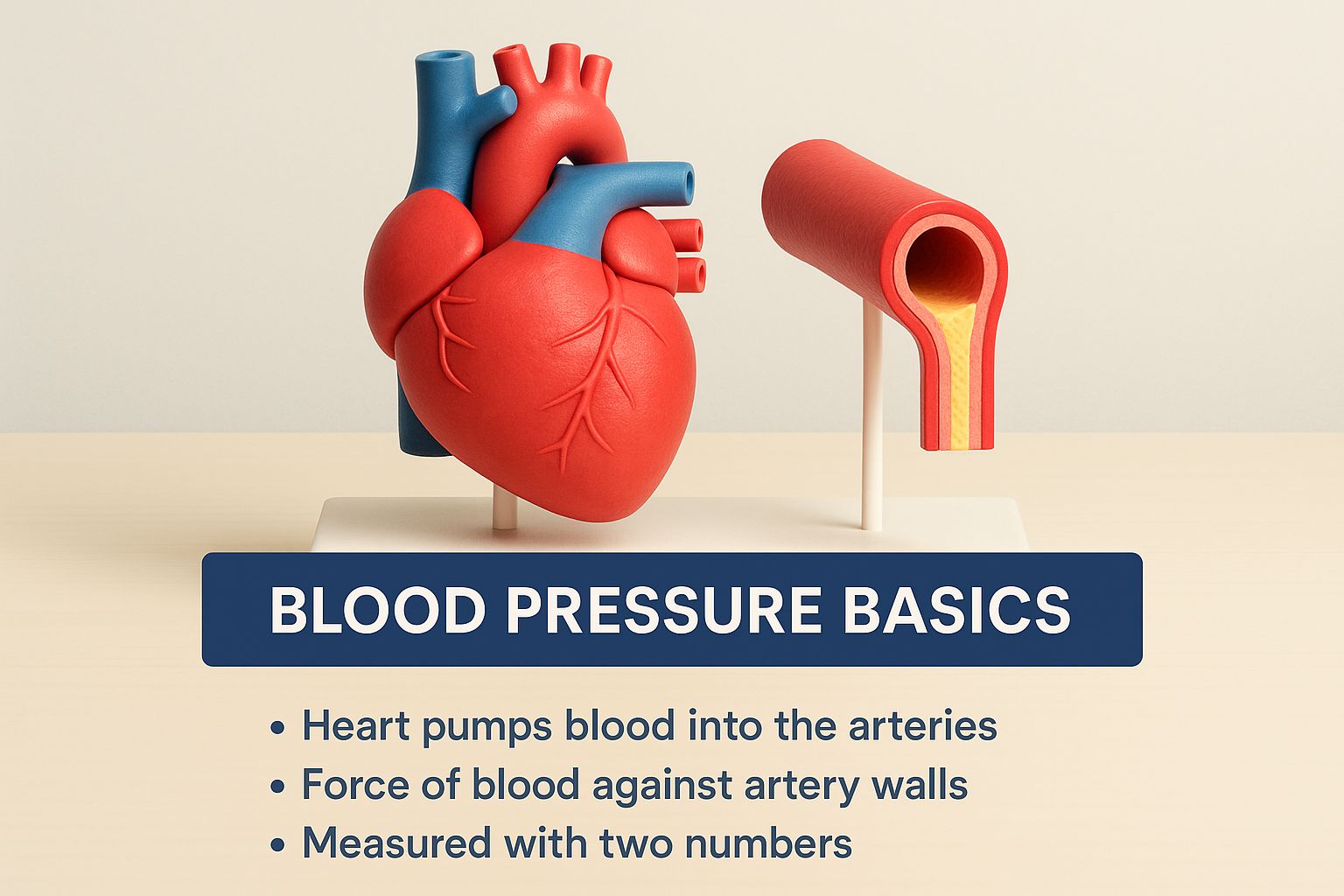
As the infographic shows, you need both the systolic and diastolic numbers to get the full story of what's happening inside your body.
What Is a Healthy Blood Pressure Reading?
So, what numbers should you be aiming for? The NHS provides clear guidelines, although your personal target might vary based on your overall health. Keeping your blood pressure in the ideal range is one of the most powerful things you can do for your long-term health.
Understanding what your personal readings mean is genuinely empowering. It turns a pair of abstract numbers into real, actionable information. You can then work with your GP to make smart decisions about your diet, exercise, and overall wellbeing.
To help you quickly interpret your own readings, here’s a quick reference chart based on NHS guidelines.
UK Blood Pressure Categories At a Glance
| Category | Systolic (mmHg) | Diastolic (mmHg) | Health Advice and Next Steps |
|---|---|---|---|
| Ideal | 90–120 | 60–80 | Your blood pressure is in a healthy range. Continue with your healthy lifestyle habits. |
| Pre-High | 121–139 | 81–89 | You are at risk of developing high blood pressure. Proactive lifestyle changes are strongly recommended. |
| High | 140 or higher | 90 or higher | Your blood pressure is consistently high. You should consult your GP for a review and treatment plan. |
| Low | Below 90 | Below 60 | This could be normal for you, but consult your GP if you experience symptoms like dizziness or fainting. |
This table gives you a straightforward way to see where you stand and helps you know when it’s time to have a chat with your doctor.
Why Those Numbers on the Screen Actually Matter
So, you've got your blood pressure reading. A top number, a bottom number. But what's the big deal? Why is everyone, from your GP to your fitness tracker, so obsessed with them?
The truth is, high blood pressure—or hypertension, as it's clinically known—is often called the 'silent killer'. It's a cliché, but it's dangerously accurate. It can quietly wreak havoc on your body for years, often with no obvious symptoms, until something serious happens. That’s why getting to grips with your readings isn't just a chore; it's one of the most powerful things you can do for your long-term health.
Think of your arteries like a network of garden hoses. In a healthy system, water flows through smoothly at just the right pressure. But with hypertension, it's like someone has cranked the tap open full blast, all day, every day. Over time, that relentless force will wear down the inside of the hoses, making them stiff, weak, and prone to damage. That's precisely what's happening inside your body.
A Slow-Motion Attack on Your Arteries
When your blood pressure is consistently high, your heart is forced to work overtime, straining itself to push blood through your system. This constant, excessive force damages the fragile inner lining of your arteries.
This damage creates tiny rough patches where fatty deposits, or plaque, can easily build up, narrowing the passageway for blood. It’s a bit like scale building up inside a pipe, gradually restricting the flow. This hardening and narrowing of the arteries is a process called atherosclerosis, and it's the quiet culprit behind so many major health problems.
It doesn't happen overnight, of course. It's a slow, cumulative process. But the link between those abstract numbers on the monitor and your real, tangible health is direct and powerful.
When you monitor your blood pressure, you're not just tracking numbers. You're taking an active role in protecting your future. The small, consistent steps you take today can head off a major health crisis down the road.
This constant internal pressure creates a dangerous domino effect, putting a huge strain on your heart, your blood vessels, and your vital organs.
The Serious Health Risks of High Blood Pressure
Left unchecked, hypertension is a primary trigger for some of the UK's most serious and common health conditions. Understanding these risks really brings home why it's so important to take action. The main dangers include:
- Heart Attack: When the arteries supplying your heart become narrowed and then blocked by a clot, it starves the heart muscle of oxygen.
- Stroke: High pressure can weaken blood vessels in the brain, causing them to either burst or become blocked, leading to a stroke.
- Kidney Disease: Your kidneys are filled with tiny, delicate blood vessels that filter waste. High pressure can scar and damage them, eventually leading to kidney failure.
- Vascular Dementia: Consistently high blood pressure can reduce blood flow to the brain, which over time can damage brain cells and affect your memory, thinking, and reasoning.
Seeing the potential consequences transforms checking your blood pressure from a simple task into a crucial act of self-care. It puts you in the driver's seat, giving you the power to spot the danger and steer clear before it's too late.
How to Measure Your Blood Pressure at Home
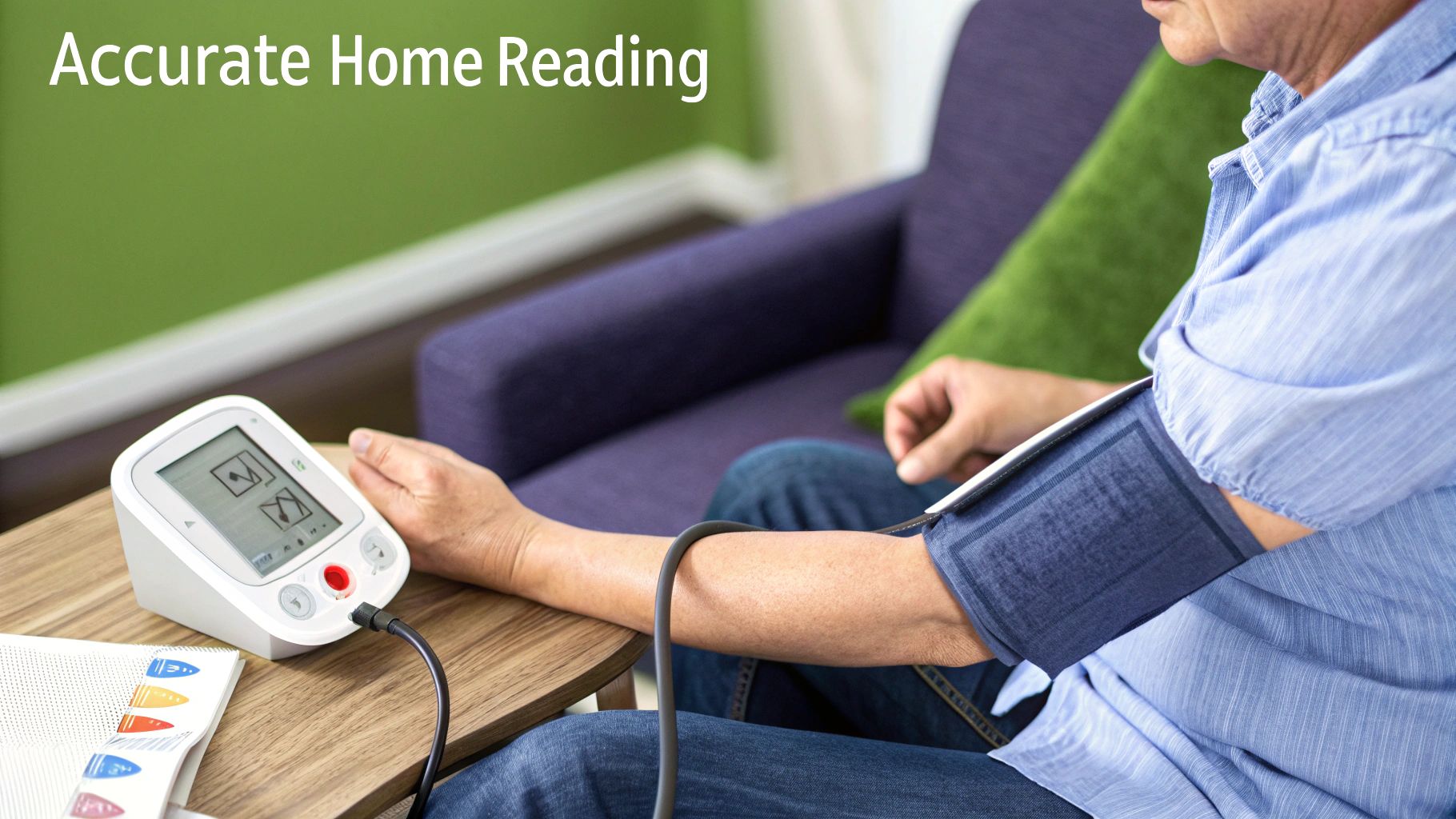
Keeping an eye on your blood pressure at home is one of the best things you can do for your health between GP visits. It gives you a real-world look at your numbers, far from the 'white coat' effect that can make readings spike in a clinic. But to get data you can actually trust, you need to be consistent and do it right.
Think of it this way: if you were a scientist, you'd want to control all the variables to get a clean result. The same goes for this. Rushing it or making a few common mistakes can easily throw your numbers off, causing either needless stress or a false sense of security. A few simple steps are all it takes to truly get a handle on understanding blood pressure readings.
Preparing for an Accurate Reading
Believe it or not, what you do in the 30 minutes before you even touch the cuff can make a huge difference. Certain things can temporarily nudge your blood pressure up, so the goal is to get your body into a calm, resting state first.
For the most precise measurement, just follow this simple checklist:
- Avoid Stimulants: Don't have any caffeinated drinks or smoke for at least 30 minutes before a reading.
- Rest Quietly: Find a comfortable chair and just sit calmly for about five minutes. No chatting, no watching the telly.
- Empty Your Bladder: A full bladder can actually add a few points to your reading. Best to pop to the loo first.
This little quiet spell gives your heart rate a chance to settle, so the number you get reflects your genuine resting pressure, not just a reaction to your last cup of tea or a mad dash up the stairs.
The Correct Measurement Technique
Right, you’re rested and ready. Now, how you sit and where you place the cuff are the next crucial pieces of the puzzle. Getting the setup wrong is probably the single most common reason people get wonky readings at home.
To get a reliable number every single time, make sure you're:
- Sitting Correctly: Sit with a straight, supported back. Your feet should be flat on the floor—no crossing your legs!
- Positioning Your Arm: Rest your arm on a table or armrest so that your upper arm is level with your heart. Keep your palm facing up.
- Applying the Cuff: The cuff goes on your bare upper arm, about an inch above the crook of your elbow. It needs to be snug, but not painfully tight. A good rule of thumb is that you should be able to slide two fingers under it.
Taking your blood pressure correctly at home turns you from a passive patient into an active partner in your own healthcare. Good, consistent data helps your doctor make much better decisions about your health and any treatment you might need.
Trying to measure over a shirt sleeve is a classic mistake and can easily add points to your reading, so always make sure the cuff is on your skin. Once you get this simple routine down, you'll be able to track your health with real confidence.
Lifestyle Changes That Naturally Lower Blood Pressure

Knowing your numbers is the first step, but the real power lies in taking action. The good news? You can have a huge impact on your blood pressure through simple, sustainable lifestyle shifts. This isn't about overhauling your entire life overnight, but rather building healthier habits one small step at a time.
Taking a proactive approach is key. Simple, evidence-based lifestyle adjustments are often the first line of defence against high blood pressure and can significantly improve your overall health.
Adopt a Heart-Healthy Diet
What you put on your plate has a direct and profound effect on your heart health. A few focused changes to your diet can make a remarkable difference in keeping your blood pressure in a healthy range.
- Slash Your Salt Intake: Too much sodium makes your body hold onto water, which increases the volume of blood in your vessels and raises your blood pressure. Become a label detective—you'll be surprised how much hidden salt is in processed foods, bread, and sauces. Aim for less than 6g of salt (about one teaspoonful) per day. Cooking from scratch is the best way to control your intake.
- Power Up with Potassium: This mineral helps your body flush out sodium and eases tension in your blood vessel walls. Load up on potassium-rich foods like bananas, spinach, sweet potatoes, avocados, beans, and lentils.
- Embrace the DASH Diet: Consider adopting principles from the DASH (Dietary Approaches to Stop Hypertension) diet, which is rich in fruits, vegetables, whole grains, and low-fat dairy, and low in saturated fat and sugar. It is a scientifically proven way to lower blood pressure.
Embrace Regular Physical Activity
Movement is one of the most effective non-medical treatments for hypertension. Regular physical activity makes your heart stronger, so it can pump more blood with less effort. This reduces the force on your arteries, lowering your blood pressure.
- Aim for Consistency: The goal is at least 150 minutes of moderate-intensity aerobic exercise per week. This could be a brisk 30-minute walk five days a week, cycling, swimming, or dancing.
- Include Strength Training: Incorporate muscle-strengthening activities like lifting weights or using resistance bands at least two days a week. This helps improve overall cardiovascular fitness.
- Find What You Enjoy: The best exercise is the one you stick with. Find an activity you love to make it a sustainable part of your life.
Manage Stress and Prioritise Rest
Long-term stress floods your body with hormones that make your heart beat faster and your blood vessels narrow. Learning to manage stress is crucial for keeping blood pressure in check.
- Practice Relaxation Techniques: Effective breathing techniques for relaxation, mindfulness, and meditation can help calm your body's stress response and lower blood pressure.
- Prioritise Sleep: Aim for 7-8 hours of quality sleep per night. Poor sleep can negatively affect your blood pressure over time. Establish a relaxing bedtime routine to help you wind down.
- Limit Alcohol and Quit Smoking: Cutting back on alcohol can lower your blood pressure directly. If you smoke, quitting is the single most important step you can take for your cardiovascular health, as tobacco chemicals damage the lining of your arteries.
When It’s Time to Chat with Your Doctor
Keeping an eye on your blood pressure at home is a brilliant way to stay on top of your health, but think of it as a helpful tool, not a substitute for professional medical advice. Knowing when to put the monitor away and book an appointment with your GP is just as crucial as taking the reading in the first place.
Your home readings give you a fantastic day-to-day picture of what’s going on. If you start noticing a consistent trend where your numbers are creeping above the 140/90 mmHg mark for several weeks, that’s a clear signal to get it checked out. A one-off high reading can happen for all sorts of reasons, but a persistent pattern often points to something that needs a closer look.
Urgent Signs You Shouldn't Ignore
While a slow and steady rise in your numbers warrants a routine appointment, some situations call for more immediate action. Don’t wait around if you experience any of the following, as they could signal a more serious problem.
- A Seriously High One-Off Reading: If your monitor ever flashes up a systolic pressure (the top number) of 180 mmHg or higher, or a diastolic pressure (the bottom number) of 120 mmHg or higher, this is considered a hypertensive crisis. You need to seek medical attention straight away.
- High Readings Paired with Symptoms: Consistently high blood pressure that comes with symptoms like splitting headaches, blurred vision, dizziness, or feeling short of breath is another reason to speak with your GP promptly. These symptoms can be a sign that the high pressure is starting to affect your body.
Getting Ready for Your Appointment
To get the most out of your consultation, a bit of prep work can make a world of difference. Your doctor will find a log of your home readings incredibly helpful. You don't need anything fancy – a simple notebook or a spreadsheet on your phone does the job perfectly.
For each reading, just jot down:
- The date and time you took it.
- Your systolic and diastolic numbers.
- Any quick notes on what you were doing just before (e.g., "after a brisk walk," or "feeling stressed from work").
Bringing a clear, organised log of your readings helps your doctor see the bigger picture. It turns your appointment from a simple check-up into a proper, collaborative discussion about your health.
This simple record provides context that a single reading in the clinic just can't capture, helping your doctor make a more accurate diagnosis and create a plan that works for you. Regular check-ins are a cornerstone of preventative health, and you can learn more about the importance of health screenings on our blog. Staying proactive is truly the best way to look after your long-term health.
Your Blood Pressure Questions, Answered
Let's clear up some of the common questions and concerns that pop up around blood pressure. Getting straight, practical answers can make all the difference in feeling confident about managing your health.
Can Stress or Anxiety Cause a Temporary Spike in Blood Pressure?
Absolutely. It’s incredibly common for stress, anxiety, or even just the nervousness of being in a doctor's surgery (what we often call 'white coat hypertension') to send your blood pressure up temporarily.
When you're stressed, your body kicks into its 'fight or flight' mode. This floods your system with hormones that speed up your heart and constrict your blood vessels, which naturally pushes your blood pressure higher.
While these brief spikes aren't unusual, the real concern is chronic, long-term stress, which can contribute to persistently high blood pressure. That’s why getting a true, baseline reading means measuring it when you’re feeling calm and have been resting for a few minutes.
If you suspect stress is behind your high numbers, bringing some simple stress-management techniques into your routine can be a game-changer.
- Mindfulness and Meditation: Even just a few minutes a day can help settle your nervous system.
- Deep Breathing Exercises: Slow, deep breaths can lower your heart rate and blood pressure almost instantly.
- Gentle Yoga: This is a brilliant two-for-one, combining physical movement with a calming mental focus.
Is One High Blood Pressure Reading a Cause for Panic?
A single high reading, on its own, is rarely a reason to panic. So many things can affect it in the short term – a brisk walk, that morning coffee, a stressful meeting, or even just not having the cuff on properly. The important thing isn't a single number, but the pattern over time.
Doctors diagnose high blood pressure based on a series of readings taken over several days or weeks. If you see an unexpectedly high number, the best first step is to sit quietly for five minutes, take a few deep breaths, and measure it again.
A single snapshot doesn't tell the whole story. It's the trend over time that gives you and your doctor the valuable insights needed to make informed health decisions.
After that, try monitoring it at roughly the same time each day for a week. Bring that log to your GP; it will give them a much clearer picture of what's really going on. The only time to act immediately is if a reading is exceptionally high (think a systolic over 180 or a diastolic over 120), or if it comes with symptoms like chest pain or shortness of breath. In that situation, you should seek urgent medical help.
Do I Need to Take Blood Pressure Medication for Life?
Not necessarily, but for many people, medication is a crucial long-term tool for keeping their blood pressure in a safe range and protecting them from serious problems like heart attacks and strokes. Whether you need it for life really depends on how high your blood pressure is and how well your body responds to lifestyle changes.
For those with mildly elevated blood pressure, making serious, sustainable lifestyle adjustments can sometimes lower it enough to reduce the dose or even stop medication altogether. This often involves:
- Getting to a healthy weight.
- Switching to a diet that's low in salt and rich in nutrients.
- Making regular physical activity a non-negotiable part of your week.
The golden rule, however, is to never stop or change your medication on your own. Always talk to your doctor first, as stopping abruptly can cause a sudden, dangerous rebound in your blood pressure.
At The Lagom Clinic, we believe managing your health should be a proactive partnership. If you have any concerns about your blood pressure or want to develop a health plan that’s built around you, our private GP services in Bristol are here to support you. Book a consultation today and take the next step towards a balanced, healthier future.

 Members Consultation