


When it comes to difficulties conceiving, the conversation has historically tended to focus on female reproductive health. But that’s only half the story. To get a complete picture, we need to recognise that male factors play an equally crucial role in the journey to parenthood.
This guide provides practical, evidence-based advice on the lifestyle changes you can make to improve your fertility. It’s about empowerment—giving you the knowledge to take proactive steps towards better reproductive health.
The Current Landscape of Male Fertility in the UK

Acknowledging that male health is a key part of the equation opens the door to actionable strategies that can make a genuine difference. It shifts the focus from a feeling of helplessness to one of control, where your daily choices can directly influence reproductive outcomes.
Common Challenges Men Face
The term 'male infertility' can sound intimidating and final, but it often describes a spectrum of challenges rather than an absolute state. Many of the biological factors that can influence a man's ability to conceive are far more common than people realise.
Here are a few of the key biological hurdles:
- Low Sperm Count (Oligospermia): This simply means having fewer sperm than normal in a semen sample. Statistically, it reduces the chances of one reaching and fertilising an egg.
- Poor Sperm Motility (Asthenospermia): Motility is all about how well sperm can swim. If a high percentage of sperm move sluggishly or not at all, their journey to the egg is seriously compromised.
- Abnormal Sperm Morphology (Teratospermia): This comes down to the shape and structure of the sperm. An unusual shape can stop it from being able to penetrate the outer layer of an egg.
These issues are widespread. In the United Kingdom, male factors contribute to approximately 30-40% of couples' fertility problems. That statistic alone highlights just how significant the male role is.
Realising that fertility is a shared responsibility is the first step towards a proactive and effective approach. Many men are surprised to learn how common these issues are, which helps to destigmatise the conversation and encourage open dialogue with partners and healthcare professionals.
The Foundation for Proactive Change
Understanding the scale of the issue provides a powerful foundation for making a change. According to the UK National Health Service (NHS), around 1 in 20 men (5%) are infertile, often due to the sperm-related issues mentioned above. The good news is that UK studies have consistently shown that lifestyle factors have a profound impact on these parameters, offering a clear path for improvement.
This knowledge transforms the narrative from a reactive mindset of simply hoping for the best to a proactive one. The choices you make every day—your diet, exercise habits, stress levels, and environmental exposures—are not minor details. They are fundamental components of building a healthier reproductive system.
The journey to improving male fertility starts right here, by recognising your own agency in the process.
Building Your Fertility Diet from the Ground Up
The old saying, "you are what you eat," couldn't be more true when it comes to male fertility. Think of your body as a finely tuned machine; the quality of the fuel you put in directly impacts its performance. It's the exact same principle for sperm production—your nutrition is the absolute cornerstone of your reproductive health.
This isn't about starting a restrictive diet. The goal is to build an enjoyable, sustainable way of eating that consistently provides all the essential building blocks for healthy sperm. Small, consistent changes add up to make a huge difference over time.
The Power of Antioxidants
One of the biggest threats to sperm health is something called oxidative stress. This happens when there's an imbalance between free radicals (unstable molecules that damage cells) and the antioxidants that fight them. Sperm are incredibly vulnerable to this kind of damage, which can wreck their ability to swim and even harm their DNA.
Your first line of defence is a diet packed with antioxidants. A simple and effective tip is to "eat the rainbow"—make sure your plate is loaded with a variety of colourful fruits and vegetables every single day.
- Vitamin C: Found in citrus fruits, bell peppers, kiwi, and strawberries. This is a powerhouse antioxidant that helps shield sperm from DNA damage while improving their numbers and motility.
- Vitamin E: Abundant in nuts, seeds, and spinach. It works alongside other antioxidants to protect the delicate membranes of sperm cells.
- Lycopene: This is the pigment that makes tomatoes and watermelon red. Studies have linked it to better sperm shape (morphology) and activity.
A practical tip: swap your usual morning pastry for a bowl of Greek yoghurt with fresh berries and a sprinkle of sunflower seeds. This simple change gives you a brilliant hit of protein and antioxidants to kickstart your day.
Essential Minerals for Sperm Production
Beyond the general protection from antioxidants, certain minerals play a starring role in the complex process of making sperm (spermatogenesis). If you're deficient in these key nutrients, it can directly hamper your body's ability to produce strong, healthy sperm.
Zinc is arguably the most critical mineral for male fertility. It’s absolutely vital for sperm formation, testosterone metabolism, and motility. In fact, low zinc levels are directly linked to poor sperm quality and lower sperm counts.
Think of zinc as a fundamental building block for sperm. Without enough of it, the entire production line can slow down or start creating a subpar product. It's involved in everything from the sperm's genetic material to its outer membrane and tail.
Similarly, selenium is a crucial trace mineral that helps with proper sperm shape and movement. It's a key part of the enzymes that protect developing sperm from oxidative damage.
Creating Your Fertility-Boosting Plate
Putting all this science onto your dinner plate is much easier than it sounds. It’s all about making smart swaps and additions, not trying to change your entire life overnight. A balanced plate should be your aim for every meal.
To help you get started, here’s a quick rundown of the most important nutrients and where to find them in foods readily available in the UK.
Key Nutrients for Male Fertility and Their Food Sources
| Nutrient | Role in Fertility | Common Food Sources |
|---|---|---|
| Zinc | Essential for sperm count and testosterone levels | Oysters, beef, chicken, pumpkin seeds, lentils |
| Selenium | Improves sperm motility and morphology | Brazil nuts, tuna, sardines, eggs, brown rice |
| Vitamin C | Protects sperm from DNA damage | Oranges, bell peppers, broccoli, strawberries, kiwi |
| Coenzyme Q10 | Boosts sperm energy and motility | Oily fish (salmon, mackerel), organ meats, spinach, peanuts |
| Folate (Vitamin B9) | Crucial for sperm DNA synthesis | Leafy green vegetables, asparagus, beans, fortified cereals |
Let's make that practical. A simple lunch of grilled salmon (packed with CoQ10), a side of spinach salad with chopped bell peppers (Vitamins C and E), and a handful of pumpkin seeds (Zinc) delivers a powerful combination of fertility-boosting nutrients in one go.
This image shows how regular physical activity, a key lifestyle factor that works alongside diet, contributes to overall wellbeing.
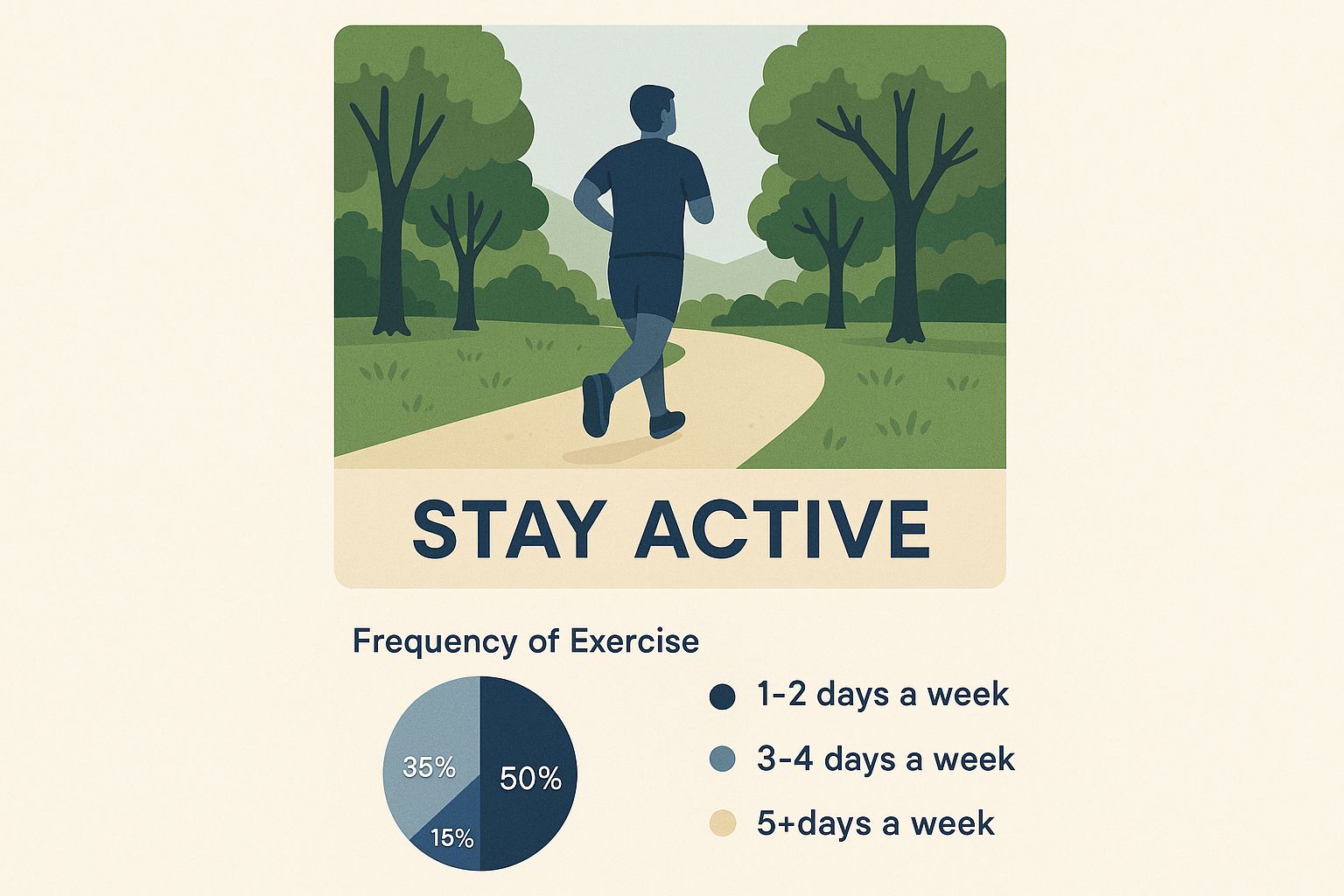
The image reinforces that staying active is a vital component of a healthy lifestyle, which in turn supports optimal reproductive function.
Don't forget the simple stuff, like hydration. Water is crucial for producing healthy seminal fluid. Aim to drink plenty of it throughout the day, and choose it over sugary drinks which can lead to inflammation and weight gain—both of which are bad news for fertility. Building a better diet is a foundational step, giving your body the high-quality resources it needs to do its job properly.
Making Lifestyle Adjustments That Count
Your daily habits, big and small, have a massive impact on your fertility. While we often focus on diet, other lifestyle factors are just as crucial for improving sperm health. The good news is that making a few targeted adjustments can have a profound effect, and you might see results sooner than you think.
It's helpful to understand that sperm production is a continuous cycle. It takes roughly 74 days for sperm to fully mature. This means the positive changes you make today can translate into healthier, more robust sperm in just under three months. Knowing there's a clear, relatively short timeline for impact can be a powerful motivator.

Achieving a Healthy Body Weight
Getting to and maintaining a healthy weight is one of the most significant things you can do for your reproductive health. Body fat isn't just passive tissue; it's metabolically active and plays a huge role in hormone production. Too much of it can throw your hormones out of balance and directly disrupt sperm production.
Excess fat tissue produces more of an enzyme called aromatase, which converts testosterone into oestrogen. This can lower your overall testosterone levels while raising oestrogen—creating a hormonal environment that’s far from ideal for making healthy sperm.
Being underweight can also cause problems, often leading to nutrient deficiencies and hormonal issues that impair fertility. The goal is a healthy, sustainable balance. Even a modest weight loss of just 5-10% of your body weight can lead to significant improvements in sperm quality for men who are overweight or obese.
Reassessing Alcohol and Smoking Habits
It's no secret that smoking and excessive drinking are bad for your health, and their link to diminished male fertility is undeniable. These habits introduce toxins into your body that create oxidative stress, which can damage sperm DNA and stop them from working correctly.
Obesity, for instance, is a growing concern. Research from the University of Sheffield found that 35% of UK men are classified as obese, a condition linked with lower testosterone and impaired sperm function. Smoking, still prevalent in about 13% of UK adult males according to 2023 ONS data, has also been strongly tied to decreased sperm quality. You can find more details on these lifestyle impacts in various public health reports.
Quitting smoking is one of the single best things you can do for your fertility. Studies consistently show that men who quit often see improvements in both their sperm count and motility.
When it comes to alcohol, moderation is key. An occasional drink is unlikely to cause harm, but chronic heavy drinking can lower testosterone levels, reduce sperm production, and even cause testicular shrinkage. The current UK recommendation is to drink no more than 14 units of alcohol a week, spread evenly over three or more days.
A practical approach often works better than going all-or-nothing. If you're a regular drinker, start by adding a few alcohol-free days to your week and just being more mindful of your intake when you do drink. Small, consistent changes are easier to stick with and can still deliver substantial benefits.
Finding the Right Balance with Exercise
Physical activity is fantastic for fertility. It helps manage weight, reduces stress, and improves circulation—all things that support healthy sperm production. However, this is a classic case where more isn't always better. Finding a moderate, sustainable routine is the real goal.
Overtraining, especially through high-intensity endurance activities like marathon running or excessive cycling, can backfire. It places immense physical stress on the body, triggering hormonal changes that actually suppress testosterone and sperm production.
So, what does a balanced approach look like?
- Aim for Consistency: Try to get around 150 minutes of moderate-intensity activity each week. This could be something as simple as 30 minutes of brisk walking, jogging, or swimming five days a week.
- Incorporate Strength Training: Lifting weights two or three times a week helps build muscle, improves body composition, and can naturally boost your testosterone levels.
- Listen to Your Body: Avoid pushing yourself to the point of exhaustion. Make sure you build adequate rest and recovery days into your schedule to let your body repair itself.
Think of exercise as a tool to support your body's natural functions, not a stressor that works against them. By managing your weight, cutting back on harmful substances, and adopting a sensible exercise routine, you're creating the best possible internal environment for producing healthy sperm and significantly boosting your fertility prospects.
Managing Stress And Environmental Exposures
Most of us focus on diet and exercise when trying to boost fertility. Yet the invisible toll of stress and everyday toxins often goes unnoticed. These unseen forces can tip your hormones out of balance, quietly undermining sperm quality.
When work pressures or personal worries push you into a constant state of “fight or flight,” your body floods with cortisol. Over time, that sustained hormone surge can throttle testosterone production and slow down spermatogenesis.
Taming The Stress Response
Managing stress isn’t about eradicating it—it’s about learning how to bounce back quicker and prevent chronic cortisol spikes.
- Mindfulness and Meditation: Just 10–15 minutes of focused breathing or a guided session can ease your mind and lower cortisol.
- Prioritise Sleep: Aim for 7–8 hours of quality sleep per night, keeping a consistent bedtime even on weekends.
- Gentle Movement: Yoga, tai chi or a brisk walk in the park calms your nervous system without overtaxing your body.
Stress management is as vital to fertility as any vitamin or workout. By soothing your nervous system, you give your hormones a fighting chance.
Navigating Environmental And Occupational Hazards
Beyond psychological stress, everyday exposures can derail sperm health. The good news? A few simple tweaks at home and work can make a big difference.
Testicles require roughly two degrees cooler than your core body temperature to produce healthy sperm. Overheating them—however unintentionally—can compromise count and motility.
Common Heat Sources To Avoid
- Hot Tubs and Saunas: Frequent, prolonged dips in hot water can dent sperm numbers. Keep sessions brief or pause them altogether while trying to conceive.
- Laptops On Your Lap: Electronics give off surprising heat. Place your device on a desk or cooling pad instead.
- Tight Underwear: Synthetic, snug briefs trap warmth. Loose-fitting cotton boxers help keep things cooler.
Every day, you also come into contact with chemical endocrine disruptors that mimic or block your natural hormones. Two of the most prevalent offenders are:
- Bisphenol A (BPA): Found in hard plastics (think some water bottles) and canned-food linings.
- Phthalates: Used to soften plastics and common in vinyl flooring, fragrances and personal-care products.
Minimising your exposure is straightforward: switch to glass or stainless-steel food containers, choose “phthalate-free” toiletries and, if you’re curious about air pollutants, explore how to improve indoor air quality at home. By taking control of your surroundings, you lighten the toxic load on your body and give your reproductive system the best chance to thrive.
Navigating Medical Support and Next Steps
While lifestyle changes are a powerful foundation, sometimes you need professional insight to really move the needle on your fertility journey. Knowing when to call in the experts can save you time, reduce stress, and give you a clear path forward.
In the UK, the general advice for couples under 40 is to try conceiving for at least a year before speaking to a GP. But this isn't a hard-and-fast rule.
When To Seek Professional Help
Your GP is the best place to start. They can give you a general health MOT and refer you to a specialist if it seems necessary.
You might want to book that appointment sooner rather than later. For instance, if you're over 35 or you already know about a health issue that could affect fertility, it makes sense to get the ball rolling earlier.
Consider seeking help:
- After 12 months of regular, unprotected intercourse without getting pregnant.
- After 6 months if your partner is over 35 or if you've had fertility concerns in the past.
- Straight away if you notice any pain, swelling, or other symptoms that are worrying you.
Understanding Diagnostic Tests
The first port of call is almost always a semen analysis. It's the cornerstone of any male fertility assessment.
Don't worry, it's a straightforward test. A single sample can reveal a huge amount about your sperm count, how well they swim (motility), and their shape (morphology). The results usually come back within a week, and your doctor will walk you through what it all means in plain English.
If your results aren't what you'd hoped for, don't panic. The NHS fertility guidelines often recommend the same lifestyle adjustments we've been talking about—like stopping smoking, maintaining a healthy weight, eating a balanced diet, and cutting back on alcohol.
"A semen analysis is just a snapshot in time, but it gives you a brilliant roadmap for what to focus on next."
Depending on those initial results, your doctor might suggest a few other checks to get a fuller picture.
| Test | Purpose | What It Measures |
|---|---|---|
| Semen Analysis | Evaluate sperm health | Count, Motility, Morphology |
| Hormone Blood Test | Check hormone levels | Testosterone, FSH, LH |
| Scrotal Ultrasound | Examine testicle structure | Varicoceles, Obstructions |
Exploring Treatment Options
If your tests point to a specific issue, there are plenty of effective treatments available, both through the NHS and privately.
These could include:
- Medication like clomiphene or hCG to help balance out your hormones.
- Varicocele repair surgery, a procedure to improve blood flow if a varicose vein in the scrotum is causing issues.
- Assisted conception, such as IUI (intrauterine insemination) or IVF with ICSI (intracytoplasmic sperm injection).
To make the most of your appointment, go in with a few questions prepared. It helps you feel in control and ensures you leave with the clarity you need.
- What do my test results actually mean compared to the normal ranges?
- Based on my situation, which treatments have the best success rates?
- How long might it take to see improvements in sperm quality after starting treatment?
- Are there any side effects I should look out for?
Open, honest communication with your healthcare team is key. It builds confidence and takes a huge weight off your shoulders.
Comparing NHS And Private Clinics
So, should you go through the NHS or a private clinic? There are pros and cons to both.
The NHS route is fantastic because it's free at the point of use, but you may face longer waiting lists for appointments and tests. Private clinics, like The Lagom Clinic, charge fees but offer much quicker access, flexible appointments, and often have on-site testing for a faster turnaround.
- NHS pathway: Usually starts with a GP referral, followed by standard tests and treatments.
- Private care: Offers rapid access to specialists, blood tests, and minor procedures, often all under one roof.
| Option | Cost | Typical Wait Time | Additional Benefits |
|---|---|---|---|
| NHS | Free | 4–12 weeks | Standard tests and treatments |
| Private | £150–£300 per visit | 1–2 weeks | Extended consultations and onsite tests |
The right choice really depends on your personal circumstances, your budget, and how quickly you want to get answers.
Next Steps After Your Consultation
Once you've had your first appointment, the journey continues. Your specialist will likely suggest a schedule for follow-up tests to monitor your progress.
A great tip is to keep a simple health diary. Track your appointments, any lifestyle changes you're making, and how you're feeling. It can help you spot patterns and gives you something concrete to discuss at your next consultation.
Here's a simple plan to follow:
- Arrange a follow-up semen analysis every 3 months. This timeframe aligns with the natural sperm production cycle.
- Keep up with the positive lifestyle changes. Consistency is your best friend here.
- Jot down any new questions that pop into your head so you're ready for your next appointment.
Combining professional medical support with your own proactive health strategies gives you the best possible chance of success. You've got the roadmap—now you can take the next step with confidence.
Proactive steps now can change your fertility journey for the better.
Common Questions on Improving Male Fertility
When you start looking into ways to improve male fertility, it’s natural to have a lot of questions. Separating fact from fiction is crucial, so let’s tackle some of the most common queries I hear from patients.
One of the first things people want to know is how long it takes to see any real changes. It’s important to remember that sperm production isn't an overnight process. The entire cycle, from initial development to full maturation, takes roughly 74 days. This means you should expect to see measurable improvements in your sperm parameters about three months after you’ve committed to positive lifestyle changes. Patience and consistency are key.
Do Fertility Supplements Really Work?
This is a big one. Certain supplements have shown some real promise, especially those containing antioxidants like Coenzyme Q10, Zinc, and Selenium, which can help with sperm count and motility. However, it's vital to see them as just that—supplements. They should always complement a healthy diet and lifestyle, not replace them. Always chat with your GP before starting any new supplement regimen to make sure it’s the right move for you.
Remember, supplements are supporters, not saviours. A balanced diet, regular exercise, and stress management provide the essential foundation that no pill can replicate. These lifestyle pillars are the most powerful tools for improving male fertility.
Another frequent concern is whether everyday things like tight underwear or even cycling can harm fertility. The short answer is yes, they potentially can. The testes are designed to be slightly cooler than the rest of the body for optimal sperm production. Anything that raises that temperature for prolonged periods—like long bike rides, frequent sauna use, or tight-fitting underwear—can get in the way of that process. If you want to dive deeper into this, have a look at this comprehensive guide on improving male fertility.
Finally, many men with a low sperm count worry if they can still become a father. Absolutely, yes. A low count might reduce the statistical odds of conceiving naturally, but it’s far from a dead end. Assisted reproductive technologies like IVF and ICSI have been game-changers, making conception a reality for countless couples facing this challenge.
At The Lagom Clinic, we believe in proactive, personalised healthcare. If you have more questions or want to develop a tailored plan for improving your fertility, we invite you to book a consultation and take the next step with confidence. Learn more at https://www.thelagom.co.uk.
Concerned about fertility?
Our men’s health clinic in Bristol offers hormone testing, semen analysis referrals and personalised guidance on improving fertility.
Testosterone Replacement Therapy in Bristol
Low testosterone affects fertility, energy and mood. Our TRT clinic offers blood-test-led diagnosis and ongoing GP monitoring — no referral needed. Learn more about TRT at The Lagom Clinic →


 Members Consultation