


Fibre is a crucial component of a balanced diet, yet most of us are not consuming nearly enough. As a lifestyle change, increasing fibre intake is a powerful tool for proactively managing your long-term health, from cardiovascular wellbeing to metabolic function and supporting a healthy weight. At The Lagom Clinic, we advise patients that optimising fibre is one of the most impactful, sustainable changes they can make for their vitality. Many people know they should eat more fibre, but understanding which foods are the most effective sources and how to integrate them into daily life is key.
This guide moves beyond generic advice to provide a clinically sound, practical roadmap for incorporating the most effective foods with fibre into your busy schedule. We will explore ten powerhouse foods, detailing not only their specific fibre content per serving but also their unique health benefits. You will learn scientifically-backed tips for making these dietary adjustments stick, ensuring they become a sustainable part of your lifestyle.
We'll cover how to prepare these foods for maximum nutritional value and provide actionable meal ideas suitable for demanding routines. This advice is for anyone looking to make a positive lifestyle change, whether you are managing a health condition, seeking sustained energy, or simply wanting to improve your family's eating habits. For on-the-go options that fit a hectic lifestyle, you can also explore this ultimate guide to healthy high fiber snacks for more ideas. Consider this your definitive resource for transforming your diet, one delicious, fibre-rich meal at a time.
1. Oats (Avena sativa)
A staple in kitchens worldwide, oats are a powerhouse whole grain celebrated for their impressive fibre content. A 100g serving of dry oats provides approximately 10.6g of both soluble and insoluble fibre, making them an excellent choice for those looking to increase their daily intake of foods with fibre. This dual-fibre action supports overall digestive regularity and gut health.
The standout component in oats is a specific type of soluble fibre called beta-glucan. This substance forms a gel-like solution in the digestive tract, which has been clinically shown to support cardiovascular health by binding with cholesterol-rich bile acids and removing them from the body. This mechanism helps to lower LDL (low-density lipoprotein), often referred to as 'bad' cholesterol, a key lifestyle change for managing metabolic risk.
Practical Lifestyle Advice for Incorporating Oats
To maximise the health benefits and fit them into a demanding schedule, consider these strategies:
- Choose Wisely: Opt for steel-cut or rolled oats over instant varieties. They are less processed, have a lower glycaemic index for more stable energy release, and retain more of their natural nutrients.
- Create a Balanced Meal: A bowl of porridge is a great start, but combining it with protein and healthy fats creates a more satiating and nutritionally complete meal. Health tip: Add a scoop of Greek yoghurt, a sprinkle of nuts, or a tablespoon of chia seeds.
- Embrace Overnight Oats: For time-pressed mornings, preparing overnight oats is an ideal solution. Simply combine rolled oats with milk or a plant-based alternative, add your favourite toppings, and leave it in the fridge. It’s a grab-and-go breakfast that keeps you focused all morning.
- Increase Intake Gradually: If you're new to a high-fibre diet, introduce oats slowly over one to two weeks. This allows your digestive system to adapt, minimising potential discomfort. As you increase your fibre, remember to drink plenty of water. For further guidance on this, you can learn more about how to improve your digestive health.
2. Chia Seeds (Salvia hispanica)
Hailing from Central America, chia seeds are tiny but nutritionally mighty, offering one of the highest concentrations of dietary fibre available. A 100g serving contains an impressive 34.4g of fibre, almost entirely soluble. This makes them a superior choice for anyone looking to substantially increase their intake of foods with fibre to support digestive wellness and metabolic health.
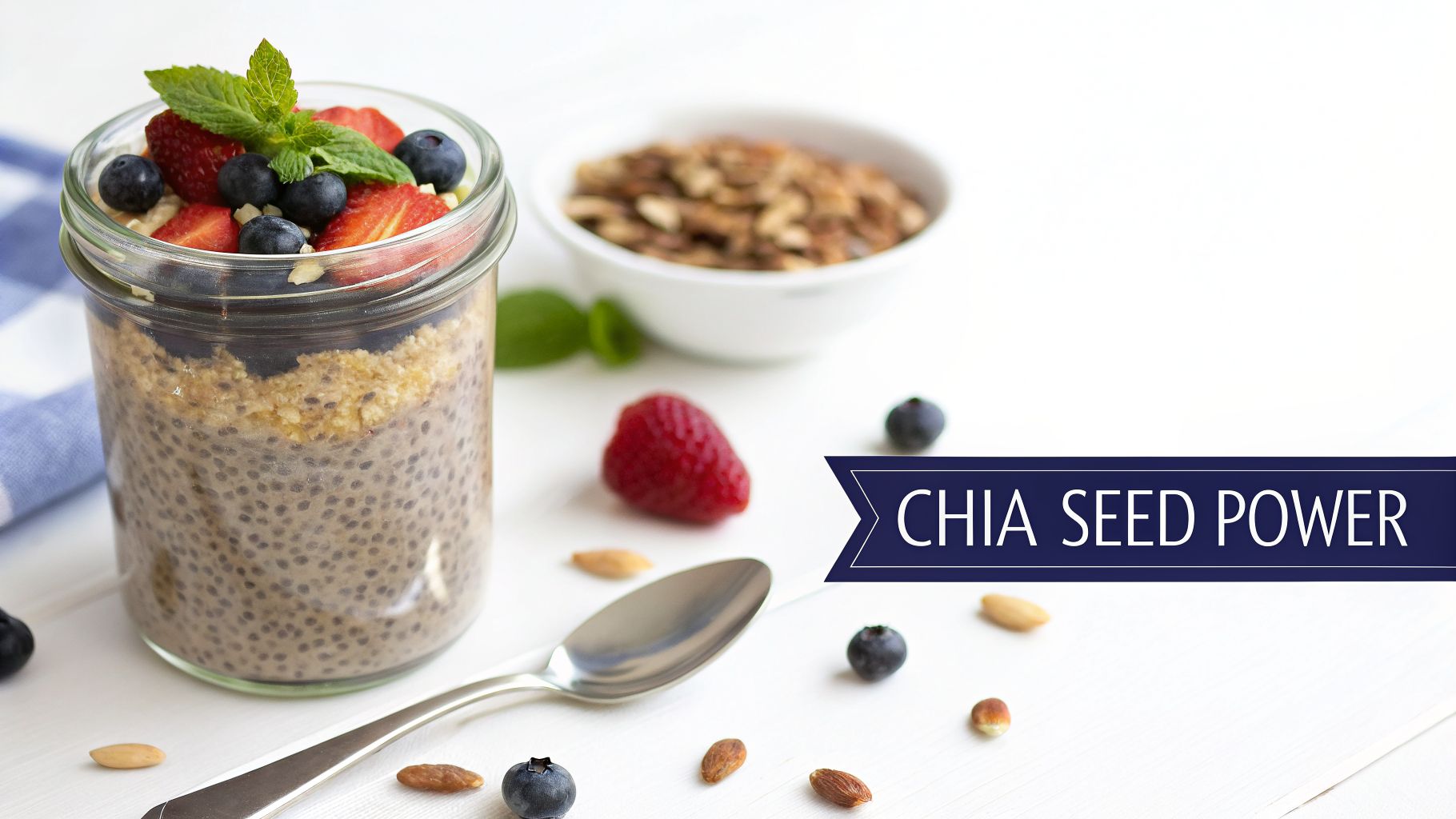
The key to their benefit lies in their ability to absorb up to 12 times their weight in liquid. When consumed, this creates a viscous gel in the stomach, which slows the conversion of carbohydrates into sugar. This process helps to stabilise blood glucose levels, provides sustained energy, and significantly increases feelings of fullness, or satiety. For patients looking to manage their appetite, this can be an instrumental lifestyle tool.
Practical Lifestyle Advice for Incorporating Chia Seeds
To add chia seeds to your diet safely and effectively, consider these actionable strategies:
- Hydration is Non-Negotiable: Due to their absorbent nature, always consume chia seeds with sufficient liquid. Health tip: Drink at least 240ml (a standard glass) of water for every tablespoon of seeds consumed to aid digestion.
- Plan Ahead with Chia Pudding: This is the easiest way to prepare them. For a simple and quick breakfast, mix two tablespoons of chia seeds with 240ml of milk or a plant-based alternative. Add a touch of vanilla or cinnamon, stir well, and refrigerate for at least four hours or overnight.
- Add an Invisible Fibre Boost: For an effortless addition to your routine, stir a tablespoon of chia seeds into smoothies, yoghurts, or even sprinkle them over salads. They don't have a strong flavour, so they blend in easily without altering the taste of your meal.
- Start Slowly and Increase Gradually: To allow your digestive system to adapt, begin with just one tablespoon per day. After a week, you can increase this to two or three tablespoons. Remember to maintain a high overall daily water intake (at least 2-3 litres) to support this increased fibre load.
3. Raspberries and Blackberries (Rubus species)
Berries, especially raspberries and blackberries, stand out as some of the highest-fibre fruits available. A 100g serving of raspberries contains around 6.5g of fibre, while blackberries offer about 5.3g. Their combination of high fibre and low sugar content makes them exceptional foods with fibre for maintaining stable blood glucose levels and supporting weight management goals.
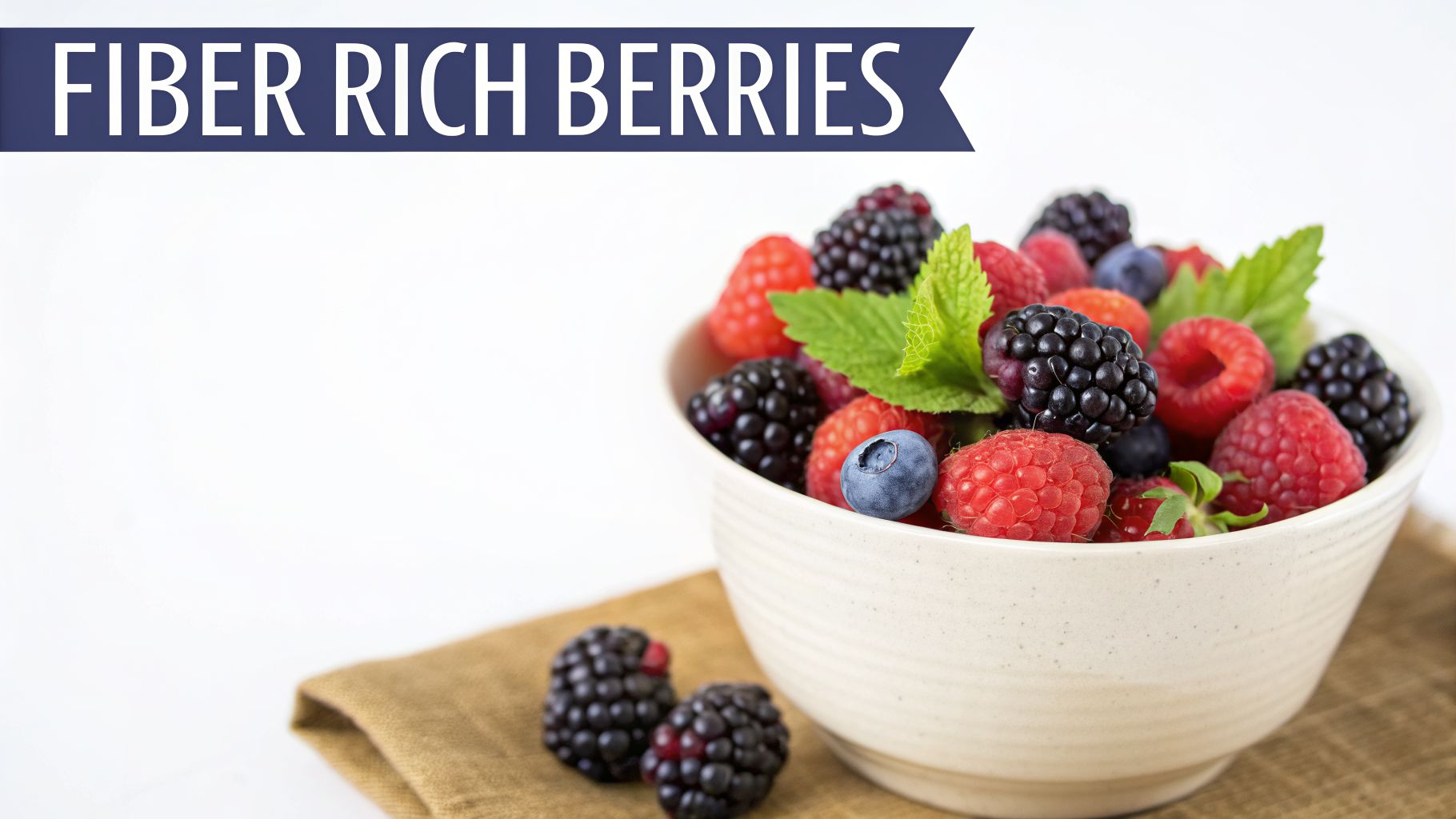
The vibrant colours of these berries are due to potent antioxidants called anthocyanins and other polyphenols. These compounds have been researched for their role in supporting healthy inflammatory responses, which is a key consideration in proactive health management and reducing cardiovascular risk. Incorporating these berries is a simple lifestyle change to boost both fibre and phytochemical intake.
Practical Lifestyle Advice for Incorporating Berries
To easily integrate these nutrient-dense fruits into your routine, consider the following strategies:
- Choose Frozen for Value: Frozen berries are often picked at peak ripeness and flash-frozen, preserving their nutrient profile. They are a cost-effective way to ensure a consistent supply, especially when fresh berries are out of season.
- Create a Satiating Snack: The fibre in berries promotes fullness, but pairing them with a protein source creates a more balanced and sustained energy release. Health tip: Combine a cup of berries with Greek yoghurt, a handful of almonds, or blend them into a smoothie with a scoop of protein powder.
- Aim for a Daily Serving: Consuming around one cup (approximately 150g) daily is an effective target for obtaining a beneficial amount of anthocyanins and fibre. Add them to morning porridge, salads, or enjoy them as a simple afternoon snack to avoid an energy slump.
- Opt for Organic When Possible: Berry crops can have higher pesticide residues compared to other produce. If it fits your budget, choosing organic varieties can help to minimise your exposure to pesticides.
4. Legumes: Lentils and Chickpeas
A cornerstone of many healthy eating patterns, including the Mediterranean diet, legumes like lentils and chickpeas are nutritional powerhouses. They offer an exceptional combination of plant-based protein and dietary fibre. A 100g serving of cooked lentils provides approximately 15.6g of fibre, while chickpeas offer around 12.2g. This high fibre content makes them incredibly effective foods with fibre for supporting digestive health and promoting satiety.
Legumes provide a fantastic source of both soluble and insoluble fibre, contributing to regular bowel movements and nourishing beneficial gut bacteria. Their low glycaemic index ensures a slow, sustained release of energy, which helps to stabilise blood sugar levels. This is a particularly beneficial lifestyle change for maintaining focus and energy throughout a busy workday.
Practical Lifestyle Advice for Incorporating Legumes
Integrating legumes can be a simple and highly effective dietary change with a bit of planning:
- Convenience is Key: Keep canned lentils and chickpeas in your pantry for quick meal additions. Health tip: Rinsing them thoroughly under cold water can reduce their sodium content by as much as 35%, making them a healthier choice.
- Start Slowly: If you are not used to a high-fibre diet, begin with a small portion, such as a 1/2 cup of cooked legumes daily. Gradually increase your intake to 1 cup over two to three weeks to allow your digestive system to adapt comfortably.
- Create Complete Proteins: Combine legumes with whole grains like brown rice or quinoa. This pairing creates a complete protein, providing all the essential amino acids your body needs, similar to what you would get from meat.
- Effortless Meal Prep: Add a generous scoop of lentils to soups, stews, or curries. Toss chickpeas into salads for a quick and satisfying lunch. Prepare larger batches over the weekend and freeze them in individual portions for time-efficient meals during the week.
- Aid Digestion: To minimise potential bloating or gas, pair legumes with digestive-friendly spices. Ginger, turmeric, and fennel can help make these fibre-rich foods easier on your system.
5. Avocados (Persea americana)
Often mistaken for a vegetable, the avocado is a unique fruit celebrated for its creamy texture and exceptional nutrient profile. A 100g serving offers around 6.7g of fibre, a significant contribution to your daily needs. Uniquely, avocados pair this fibre with an impressive 11.6g of heart-healthy monounsaturated fats, providing lasting satiety and supporting cardiovascular wellness. This combination makes it one of the most efficient foods with fibre for anyone making healthy lifestyle changes.

The key benefit of the avocado lies in its blend of fibre and fats, which helps to stabilise blood sugar levels and curb hunger. It's also a rich source of potassium, a mineral crucial for managing fluid balance and blood pressure. For a deeper dive into the nutritional benefits of this creamy fruit, explore more about Avocados. The high potassium content is particularly beneficial for cardiovascular health, a factor you can explore further by understanding how to manage high blood pressure through diet.
Practical Lifestyle Advice for Incorporating Avocados
To easily add this nutrient-dense fruit into your routine, consider these simple strategies:
- Select and Ripen: Choose avocados that are slightly firm to the touch. If they are hard, leave them on the counter for two to three days to ripen. A ripe avocado will yield gently to pressure.
- Portion Control: Health tip: A standard portion is about half an avocado (approximately 60g). This helps manage calorie intake while still delivering a good dose of fibre, healthy fats, and micronutrients like vitamins E, K, and folate.
- Smart Pairings: Combine avocado with other high-fibre foods to maximise satiety. Spread it on whole-grain toast, add slices to a salad, or blend it into a morning smoothie for a quick, filling meal.
- Proper Storage: To extend the shelf life of a ripe avocado, store it in the refrigerator for up to five days. To prevent a cut half from browning, store it flesh-side down in a sealed container with a slice of onion.
6. Leafy Greens: Spinach, Kale, and Swiss Chard
Often celebrated for their micronutrient density, leafy greens like spinach, kale, and Swiss chard are also a valuable addition to a diet focused on foods with fibre. A 100g serving provides a respectable 2-3g of fibre, contributing to daily intake goals while remaining exceptionally low in calories (around 25-35 calories per 100g). Their high water and fibre content promotes a feeling of fullness, which is useful for weight management.
Beyond fibre, these greens are packed with essential nutrients. They are an outstanding source of vitamin K, which is vital for blood clotting and bone health, as well as folate for cellular function and lutein for eye health. The versatility and low preparation time of leafy greens make them a practical lifestyle choice for maximising nutritional intake.
Practical Lifestyle Advice for Incorporating Leafy Greens
To easily integrate these nutrient-dense vegetables into your routine, consider these actionable strategies:
- Make it Effortless: Raw spinach is one of the easiest ways to boost your fibre and nutrient intake. Add a large handful to smoothies, use it as a base for salads, or simply serve it alongside your main meal. It requires no cooking and wilts down significantly.
- Vary Your Greens: To get a broader range of nutrients and avoid building up oxalates, rotate between different types of greens. Try spinach one week, kale the next, and then move on to Swiss chard or rocket.
- Pair with Healthy Fats: Health tip: The absorption of fat-soluble vitamins like A, K, and E found in leafy greens is significantly improved when consumed with a source of fat. Drizzle your salad with extra virgin olive oil or add some avocado or nuts.
- Quick and Simple Cooking: For a fast and flavourful side dish, lightly sauté greens like kale or Swiss chard with a touch of garlic and olive oil. This preparation method takes less than five minutes and makes the nutrients more bioavailable.
- A Note for Certain Medications: If you are taking anticoagulants such as warfarin, it is important to maintain a consistent intake of vitamin K. Discuss your consumption of leafy greens with your GP to ensure it remains stable.
7. Flaxseeds (Linum usitatissimum)
Flaxseeds are nutritional powerhouses, delivering one of the highest concentrations of fibre available. A 100g serving contains an impressive 27.3g of both soluble and insoluble fibre, making them an exceptional addition to a diet focused on digestive wellness. This high-fibre content supports bowel regularity and helps cultivate a healthy gut microbiome, which is foundational to overall health.
Beyond fibre, flaxseeds are a remarkable source of lignans, which are phytonutrients with strong antioxidant properties that help protect cells from damage. They are also rich in alpha-linolenic acid (ALA), an essential omega-3 fatty acid crucial for cardiovascular health. This combination of fibre, lignans, and healthy fats makes flaxseeds a particularly useful food for anyone making positive lifestyle changes for their long-term health.
Practical Lifestyle Advice for Incorporating Flaxseeds
To gain the most from flaxseeds, it's important to prepare and consume them correctly. Ground flaxseeds are more bioavailable than whole seeds, meaning your body can absorb their nutrients more effectively.
- Grind for Goodness: Health tip: Purchase whole flaxseeds and grind small batches yourself using a coffee grinder or food processor. For maximum freshness and nutrient preservation, aim to use the ground portion within a few days.
- Store Correctly: If you buy pre-ground flaxseeds, store them in an airtight container in the refrigerator to protect the delicate omega-3 fats from oxidation. Try to use them within four to six weeks.
- Integrate Seamlessly: Thanks to their neutral taste, ground flaxseeds are incredibly easy to add to your daily routine. Stir a tablespoon into smoothies, yoghurts, porridge, or even mix them into baked goods like muffins and bread.
- Start Slowly and Hydrate: Begin with one tablespoon daily and gradually increase to two or three over a couple of weeks. As with any high-fibre food, it is vital to increase your water intake. Aim to drink at least a 240ml glass of water with your flaxseed to aid digestion and prevent constipation.
8. Artichokes (Cynara cardunculus var. scolymus)
Artichokes are a unique vegetable prized for their distinct flavour and substantial fibre content. A 100g serving of cooked artichoke delivers approximately 5.4g of dietary fibre, making it a valuable addition to a diet focused on digestive wellness. Their inclusion provides a notable boost towards daily fibre targets and supports a healthy gut environment.
What sets artichokes apart is their high concentration of a prebiotic soluble fibre called inulin. This compound is not digested in the upper gastrointestinal tract and travels to the colon, where it serves as a nutrient source for beneficial gut bacteria like Bifidobacteria and Lactobacilli. Furthermore, artichokes contain unique phytonutrients, including chlorogenic acid, which offers antioxidant properties and is recognised for supporting liver function.
Practical Lifestyle Advice for Incorporating Artichokes
While they may seem intimidating to prepare, artichokes can be easily integrated into your meals with a few simple strategies:
- Smart Preparation: For fresh artichokes, steam them whole for 30-40 minutes until the outer leaves pull off easily. Serve them with a simple dip of lemon juice and olive oil. Health tip: For a time-saving option, purchase canned or jarred artichoke hearts in water or olive oil, which require minimal preparation.
- Versatile Meal Additions: Add chopped artichoke hearts to salads for texture and flavour, toss them into a Mediterranean-style vegetable roast, or mix them into whole-grain bowls and pasta dishes. They pair exceptionally well with ingredients like garlic, lemon, and parsley.
- Gradual Introduction: If you are not used to high-inulin foods, introduce artichokes slowly to allow your digestive system to adapt. Start with a small portion, such as one or two artichoke hearts, once or twice a week to assess your tolerance before increasing your intake.
- Mindful Pairing: To minimise the potential for initial bloating, combine artichokes with easily digestible foods. Pairing them with meals that include digestive-supporting spices like ginger, fennel, or turmeric can also help promote comfortable digestion. As with all foods with fibre, ensure you drink adequate water throughout the day.
9. Pears (Pyrus communis)
Often enjoyed for their juicy sweetness, pears are a fantastic source of dietary fibre that offers significant digestive benefits. A medium-sized pear (around 178g) provides approximately 5.5g of fibre, and a 100g serving contains about 3.1g. This makes them a valuable addition for anyone looking to increase their intake of foods with fibre, supporting gut regularity and overall health.
Pears are particularly rich in a type of soluble fibre called pectin. Much like beta-glucan in oats, pectin forms a gel-like substance in the digestive tract. This action helps to soften stool, making it easier to pass, which is why registered dietitians often recommend pears for managing constipation. Pears also contain natural sugars like fructose and a sugar alcohol called sorbitol, which gently encourages bowel movements without the metabolic stress associated with high-fructose processed products.
Practical Lifestyle Advice for Incorporating Pears
For busy professionals, pears are an exceptionally convenient and portable snack that requires no preparation. Here’s how to get the most out of them:
- Eat the Skin: Health tip: Approximately half of a pear's fibre and a significant amount of its antioxidant polyphenols are found in the skin. Be sure to wash it thoroughly and consume the fruit whole to receive the full nutritional benefit.
- Pair for Satiety: To create a more balanced and filling snack, pair a pear with a source of protein and healthy fat. Slices of pear with a handful of almonds, a piece of cheese, or a spoonful of nut butter can help stabilise blood sugar levels and keep you feeling full for longer.
- Perfect Ripening: Pears are best when ripened at room temperature. You can check for ripeness by gently pressing near the stem; if it gives slightly, it's ready to eat. Once ripe, store them in the refrigerator to extend their freshness for another three to five days.
- Convenient Desk Snack: Their portability makes pears an ideal snack for the office. Keeping a couple on your desk provides an easy, healthy option to reach for during a busy afternoon, helping you avoid less nutritious choices and maintain consistent energy levels.
10. Sweet Potatoes (Ipomoea batatas)
A naturally sweet and versatile root vegetable, the sweet potato is a fantastic addition to any diet focused on increasing fibre intake. A 100g serving provides around 3g of fibre, but its nutritional value extends far beyond this. Sweet potatoes are an excellent source of beta-carotene (a precursor to vitamin A), antioxidants, and resistant starch, particularly when cooked and then cooled. This makes them one of the most nutrient-dense foods with fibre.
The combination of fibre and a relatively low glycaemic index (around 63) supports stable blood sugar levels and sustained energy release, a key benefit for anyone making positive lifestyle changes. A unique feature of sweet potatoes is their resistant starch content, which increases when they are cooled after cooking. This type of fibre acts as a prebiotic, feeding beneficial gut bacteria and supporting a healthy microbiome, which is crucial for overall metabolic health and immune function.
Practical Lifestyle Advice for Incorporating Sweet Potatoes
To get the most from this root vegetable and easily integrate it into your meals, consider the following strategies:
- Choose by Colour: For the highest beta-carotene content, opt for bright orange varieties. Purple sweet potatoes are also an excellent choice, as they contain anthocyanins, powerful antioxidants with anti-inflammatory properties.
- Maximise Resistant Starch: Health tip: Cook sweet potatoes by baking, boiling, or steaming, and then allow them to cool completely in the refrigerator. You can eat them cold in salads or gently reheat them; the resistant starch will remain intact.
- Keep the Skin On: The skin of a sweet potato is entirely edible and contains a significant portion of its fibre. Be sure to scrub it thoroughly before cooking to retain this nutritional benefit.
- Meal Prep for Convenience: Prepare a larger batch of cooked sweet potatoes at the start of the week. Store them in the fridge or freezer in portions, ready to be added to meals for a quick and healthy carbohydrate source.
- Optimise for Recovery: For athletes, consuming a medium sweet potato alongside a protein source post-training helps to replenish glycogen stores and support muscle repair, making it an ideal recovery food.
Top 10 Fibre-Rich Foods Comparison
| Item | Preparation complexity | Resource requirements | Expected outcomes | Ideal use cases | Key advantages |
|---|---|---|---|---|---|
| Oats (Avena sativa) | Low — instant 3–5 min; steel-cut longer | Low cost, widely available; needs liquid | Reduced LDL, stable blood sugar, sustained energy | Quick breakfasts, overnight oats, portable meals | Beta‑glucan cholesterol support, affordable, versatile |
| Chia Seeds (Salvia hispanica) | Low — mix with liquid; gel forms | Moderate cost, long shelf life; require liquid | Strong satiety, weight management, omega‑3 (ALA) support | Puddings, smoothies, snacks for time‑pressed people | Extremely high fiber density, ALA omega‑3, shelf‑stable |
| Raspberries & Blackberries (Rubus) | Very low — wash or thaw frozen | Variable cost; fresh short shelf life, frozen year‑round | Antioxidant/anti‑inflammatory effects, metabolic support | Toppings, snacks, smoothies | High fiber-to-sugar ratio, anthocyanins, low GI |
| Legumes (Lentils & Chickpeas) | Moderate — cook 20–30 min (canned ready) | Very low cost, pantry‑stable; canned reduces prep | Improved glucose control, satiety, cholesterol reduction | Batch cooking, lunches, hearty meals | High protein+fiber, affordable, eco‑friendly protein |
| Avocados (Persea americana) | Very low — no cooking required | Moderate cost, narrow ripeness window, perishable | Improved lipid profile, satiety, enhanced nutrient absorption | Quick meals, salads, toast, smoothies | Heart‑healthy MUFAs, nutrient dense, creamy texture |
| Leafy Greens (Spinach, Kale, Chard) | Very low — raw or quick sauté | Low cost, widely available; fresh short shelf life | Micronutrient boost (K, folate), satiety, BP support | Salads, smoothies, side dishes | Exceptional nutrient density, low calories, versatile |
| Flaxseeds (Linum usitatissimum) | Low — best ground fresh before use | Low‑moderate cost; ground needs refrigeration | Omega‑3 (ALA) and high fiber support for lipids and bowel | Smoothies, baking, yogurt toppings | High fiber and lignans, small portions effective |
| Artichokes (Cynara) | High fresh — 20–40 min; canned lower effort | Moderate cost; fresh seasonal, canned convenient | Prebiotic (inulin) support, liver‑supporting phytonutrients | Mediterranean dishes, digestive health protocols | Unique inulin prebiotic, antioxidant phytonutrients |
| Pears (Pyrus communis) | Very low — ready to eat | Low cost, narrow ripeness window; wash if not organic | Gentle pectin‑driven regularity, satiety, mild cholesterol support | Portable snacks, desk fruit | Pectin-rich, hydrating, well‑tolerated for sensitive digestion |
| Sweet Potatoes (Ipomoea batatas) | Moderate — cook 15–20 min; can batch cook | Low cost, store cool/dark; not refrigerated | Beta‑carotene, resistant starch (when cooled), sustained energy | Post‑exercise meals, batch sides, performance nutrition | High provitamin A, resistant starch for gut health and recovery |
Your Next Steps: Integrating Fibre for a Healthier You
We have explored a diverse and flavourful list of foods with fibre, from the humble oat and earthy lentil to the vibrant raspberry and creamy avocado. It is clear that dietary fibre is not just a single nutrient but a complex and essential component for maintaining robust health. Its role extends far beyond simply aiding digestion; it is fundamental to metabolic regulation, cardiovascular wellness, and sustaining a balanced gut microbiome.
The journey to a higher-fibre diet isn't about a radical, overnight overhaul. True, lasting lifestyle change is built on small, consistent, and intelligent choices. The power of this knowledge lies not in memorising the fibre content of every food, but in understanding the principles and feeling empowered to make simple, effective swaps in your daily routine.
From Knowledge to Action: Your Personalised Fibre Strategy
Moving forward, the goal is to translate the information from this article into tangible habits. A successful approach is one that is both gradual and mindful, preventing digestive discomfort while building a sustainable new routine.
Here is your practical health advice:
- The "Plus-One" Method: Instead of removing foods, focus on adding one new high-fibre item each day or every few days. Could you sprinkle flaxseeds on your morning yoghurt? Or perhaps add a handful of spinach to your lunchtime sandwich? This additive approach feels less restrictive and is easier to maintain.
- Hydration is Non-Negotiable: Remember the crucial partnership between fibre and water. As you increase your intake of fibre-rich foods, you must also increase your fluid intake. Soluble fibre, in particular, absorbs water to form a gel-like substance. Without adequate hydration, increasing fibre can lead to constipation and discomfort, defeating the purpose. Aim for an extra glass or two of water daily as you make these dietary adjustments.
- Listen to Your Body: Pay close attention to how your system responds. A little initial bloating can be normal as your gut bacteria adapt, but persistent discomfort is a sign to slow down. The gradual increase is key; your digestive system needs time to adjust its processes to handle a greater fibre load.
Beyond the Plate: The Broader Impact of a Fibre-Rich Diet
Adopting a diet rich in these foods is one of the most proactive lifestyle changes you can take for your long-term health. The benefits, as we've seen, are interconnected. Improved blood sugar control can lead to more stable energy levels. A healthier gut microbiome is increasingly linked to better mood and immune function, supporting overall wellness.
For patients managing specific health conditions or seeking to prevent chronic disease, a well-planned, high-fibre diet is a cornerstone of effective care. By focusing on whole foods with fibre, you are not just hitting a nutritional target; you are fundamentally upgrading the quality of your fuel.
Key Takeaway: The most effective dietary changes are not about perfection, but about consistent, mindful progression. Start small, stay hydrated, and celebrate the small wins as you integrate more high-fibre foods into your life. Realising the profound benefits of dietary fibre is a journey, not a destination.
Mastering this aspect of your nutrition provides a powerful foundation for preventing chronic disease and optimising your daily performance, both physically and mentally. It is a cornerstone of proactive, personalised healthcare.
Making significant lifestyle changes can feel daunting, but you don't have to do it alone. If you're in Bristol and seeking expert guidance to align your diet with your specific health goals, our private GPs at The Lagom Clinic are here to help. We specialise in creating personalised health plans that integrate nutrition, diagnostics, and lifestyle medicine for truly effective, long-term wellness. The Lagom Clinic


 Members Consultation