


Think of the Albumin-to-Creatinine Ratio (ACR) test as an early warning system for your kidneys. It’s a straightforward urine test that checks for tiny amounts of a protein called albumin that shouldn't be there, giving us a vital clue about potential kidney damage long before you'd ever feel a symptom.
What the ACR Test Reveals About Your Kidney Health
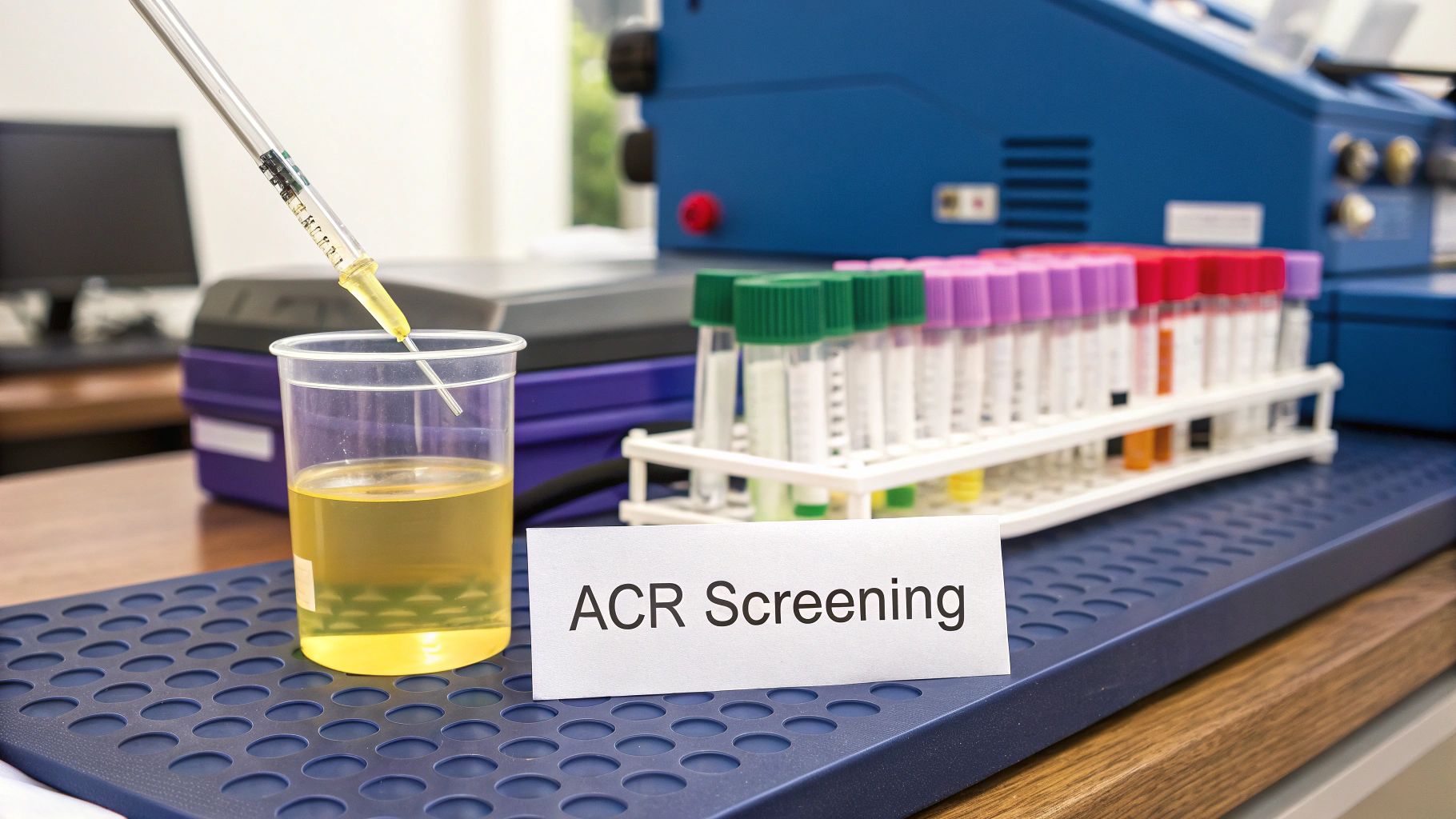
Picture your kidneys as a sophisticated filtration system for your blood, a bit like a high-tech coffee filter. Their main role is to clear out waste products while making sure all the good stuff your body needs stays in circulation. The ACR test is a clever method for checking just how well that filter is working.
To really get why it's so important, we need to look at the two things it measures:
- Albumin: This is a crucial protein found in your blood. It's a real workhorse, helping to build tissues, transport hormones, and keep your body's fluid levels balanced. When your kidneys are healthy, albumin stays in the blood where it belongs.
- Creatinine: This is a standard waste product our bodies make from normal muscle wear and tear. It's the job of the kidneys to filter creatinine out of the blood and get rid of it in your urine.
A healthy kidney filter is fine enough to block large protein molecules like albumin from passing through, but it lets waste like creatinine sail right on by.
Detecting the Earliest Signs of Damage
When the kidneys' delicate filtering units get damaged – often from the long-term effects of conditions like diabetes or high blood pressure – they can start to leak. This is when small amounts of albumin begin to slip through into the urine, a condition we call albuminuria.
The ACR test works by measuring the ratio of albumin to creatinine in a single urine sample. Comparing the two gives your doctor a standardised, reliable picture of albumin leakage, no matter how concentrated or diluted your urine might be at that moment.
An elevated ACR level is often the very first sign of kidney disease. It can flag up a problem years before a person notices any physical symptoms, creating a critical window to take action and make positive lifestyle changes.
This ability to catch things early is the real power of the ACR test. For people in the UK, especially those managing chronic health conditions, it's a cornerstone of proactive care. By spotting kidney damage in its infancy, you and your doctor can implement lifestyle strategies and treatments to slow its progression, protecting your kidney function for the long haul.
Who Should Have an ACR Test and What to Expect
Certain health conditions can put a real strain on the kidneys, which is why keeping a close eye on them is so important. In fact, preventative health guidelines in the UK strongly recommend an annual ACR test for anyone at a higher risk of kidney problems.
Think of it as a yearly MOT for your kidneys. Being proactive with this simple screening helps you and your GP catch any potential trouble long before it becomes a serious issue.
Who Benefits Most from an ACR Test
The ACR test is especially crucial if you’re managing a long-term condition or have other known risk factors. It should be a top priority if you have:
- Diabetes (Type 1 or Type 2): Over time, high blood sugar can damage the delicate blood vessels in the kidneys, making this one of the biggest reasons for regular screening.
- Hypertension (High Blood Pressure): Uncontrolled high blood pressure is tough on the arteries that supply your kidneys, affecting how well they can do their job.
- A Family History of Kidney Disease: If kidney failure runs in your family, you may have a genetic predisposition that makes monitoring essential.
- Cardiovascular Conditions: Problems like heart disease, heart failure, or a previous stroke often go hand-in-hand with kidney disease, sharing many of the same risk factors.
- Older Age: Kidney function can naturally decline as we get older, so regular checks become increasingly important.
Despite how vital it is, the ACR test is often overlooked. Shockingly, recent data shows that only about 35.1% of patients with diabetes and a tiny 4.1% of those with hypertension get their recommended yearly test.
The Simple Process of an ACR Test
One of the best things about the ACR test is just how straightforward it is. There’s no need for any complicated preparation, no fasting, and absolutely no discomfort.
The ACR test is a simple, non-invasive urine test. All you need to do is provide a small sample in a sterile pot during a routine visit to your GP.
This is often called a 'spot' urine sample. While your doctor might ask for your first sample of the morning because it's more concentrated, it can usually be done at any time of day. It’s a small step that removes a lot of the usual anxiety around medical tests and puts you firmly in control of your health.
If you're exploring different avenues for health screening, you might find it useful to learn more about arranging a private blood test in the UK.
How to Interpret Your ACR Test Results
Getting a lab report back can feel like trying to decipher a secret code. But when it comes to your kidney health, your Albumin-to-Creatinine Ratio (ACR) is one number you'll want to understand. Knowing what it means empowers you to have a more productive conversation with your doctor about what comes next.
Your result will be shown in milligrams of albumin per millimole of creatinine, or mg/mmol. This ratio gives a stable, reliable picture of whether your kidneys are letting protein slip through the net. While the exact numbers can differ slightly between labs, the results generally fall into one of three distinct categories.
This infographic highlights some of the key groups who are more likely to develop kidney issues.
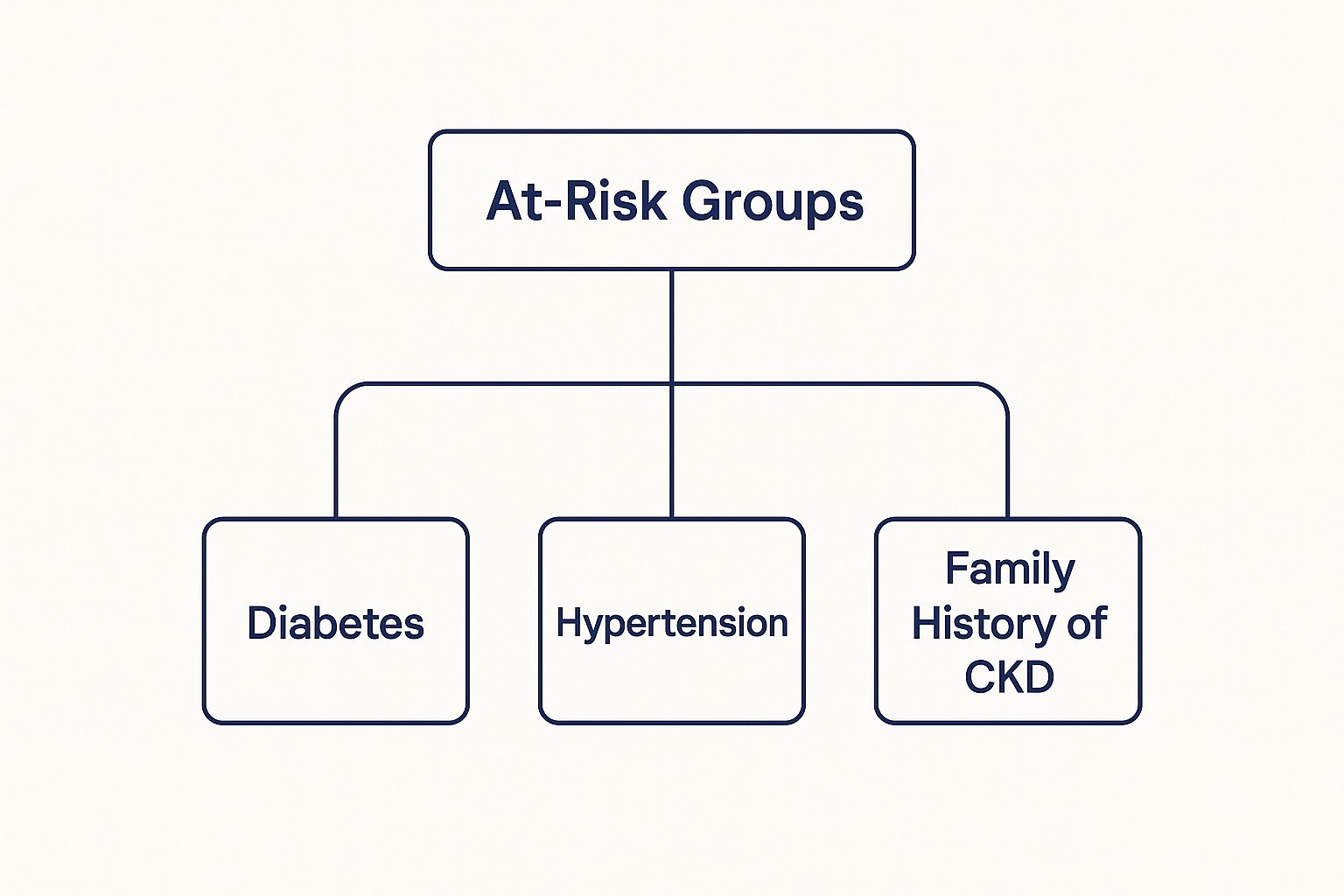
As you can see, if you're managing diabetes, have high blood pressure, or a family history of Chronic Kidney Disease (CKD), regular ACR testing is a must. It's one of the best ways to stay ahead of any potential problems.
Breaking Down the Numbers
Your ACR test results paint a clear picture of your kidney function, with different levels flagging different stages of concern. Your GP will use these results as a roadmap to guide your care and decide on the best course of action.
Here's a straightforward guide to what your ACR numbers mean, based on UK guidelines.
Understanding Your ACR Result Ranges
| ACR Level (mg/mmol) | Category | What It Means for Your Kidneys |
|---|---|---|
| < 3 | Normal to Mildly Increased | This is exactly where you want to be. It shows there's no significant protein leak, and your kidneys are doing a great job filtering your blood. |
| 3 – 30 | Moderately Increased | Sometimes called microalbuminuria in the past, this result indicates a small amount of albumin is escaping. Think of it as an early warning sign of kidney damage. |
| > 30 | Severely Increased | Previously known as macroalbuminuria, this signals a much larger protein leak and points towards more advanced kidney damage. |
This table provides a simple framework, but your doctor will interpret these results in the full context of your overall health.
Why One Result Is Not a Final Diagnosis
It’s crucial to understand that a single high ACR reading is a red flag, not a final verdict. Our bodies are dynamic, and all sorts of things can temporarily throw off your results.
For example, something as simple as a urinary tract infection, a passing fever, or even a really tough workout session can cause a temporary spike in albumin. That's why your doctor will never diagnose a long-term condition based on one test alone.
A single elevated ACR result prompts further investigation, not immediate alarm. Consistency over time is what matters for a diagnosis.
So, what happens if your first result is high? Typically, your GP will ask you to repeat the test. You’ll likely be asked for another one or two samples over the next three months. If at least two out of three tests come back high, it confirms there’s a persistent issue. Only then will your doctor diagnose Chronic Kidney Disease (CKD). This careful, step-by-step process ensures the diagnosis is right, paving the way for an effective, personalised plan to protect your kidney health.
Lifestyle Changes to Improve Your Kidney Health

Receiving a high ACR result is a wake-up call, but it's also a powerful opportunity to take control of your health. Your kidneys are highly responsive to your daily habits. Making practical, sustainable lifestyle changes can significantly help manage your ACR levels and protect these vital organs from further damage.
This isn’t about a complete life overhaul overnight. It’s about making small, consistent shifts that create a healthier environment for your kidneys. Here are some of the most effective, evidence-based strategies you can start today.
Master Your Diet with a Kidney-Friendly Approach
Your diet is a cornerstone of kidney health, primarily through its impact on blood pressure and metabolic health.
- Reduce Sodium Intake: A high-salt diet is a major driver of high blood pressure, which strains the kidneys. Aim for less than 5g of salt per day. Start by avoiding processed foods, cooking from scratch, and using herbs, spices, and citrus to flavour your meals instead of salt.
- Choose a Balanced Diet: Focus on a diet rich in fruits, vegetables, and whole grains. The DASH (Dietary Approaches to Stop Hypertension) diet is an excellent, scientifically-backed model for this.
- Moderate Protein: While protein is essential, excessive amounts can make your kidneys work harder. Discuss the appropriate protein intake for your needs with your GP or a registered dietitian, especially if you have established kidney disease.
Embrace Regular Physical Activity
Movement is medicine for your entire body, including your kidneys. It helps control blood pressure, manage blood sugar, and maintain a healthy weight.
Aim for at least 150 minutes of moderate-intensity exercise per week, such as:
- Brisk walking
- Cycling on level ground
- Swimming
- Dancing
The key is consistency. Find an activity you enjoy, as this will help you stick with it. Even breaking up long periods of sitting with short walks can make a difference.
Manage Underlying Conditions Diligently
If you’re living with diabetes or high blood pressure, proactive and consistent management is your best line of defence.
Taking your prescribed medications exactly as your doctor instructs is non-negotiable. This consistent management protects the delicate network of blood vessels inside your kidneys from ongoing damage.
Monitor your blood pressure and blood sugar levels at home if recommended by your healthcare team. This empowers you to understand your body better and helps your doctor fine-tune your treatment plan for optimal kidney protection.
Reassess Harmful Habits
Making changes to certain habits can yield significant benefits for your kidneys.
- Quit Smoking: Smoking damages blood vessels throughout the body, reducing blood flow to the kidneys and accelerating kidney disease. Quitting is one of the most impactful steps you can take.
- Limit Alcohol: Excessive alcohol consumption can raise your blood pressure and burden your kidneys. For a clear understanding of its effects, learn about the impact of alcohol on body and brain health. Adhering to recommended guidelines is a crucial step in protecting your overall health.
Why an Abnormal ACR Result Is More Than Just a Kidney Problem
When you get an elevated result from an ACR test (which is a urine test, not a blood test), it's a critical signal from your body. While it's a direct indicator of stress on your kidneys, its significance extends much further, offering a clear window into the health of your entire circulatory system.
The same underlying issues that cause the tiny filters in your kidneys to leak albumin—namely high blood pressure and high blood sugar—are very likely damaging blood vessels all over your body. This powerful connection means an abnormal ACR result isn't an isolated kidney issue; it’s a major warning sign for your cardiovascular health.
The Heart and Kidney Connection
Your heart and kidneys are a team. The heart pumps blood, and the kidneys clean it. If the delicate blood vessels in your kidneys are damaged, it's a strong sign that similar vessels in your heart and brain are also under strain.
This is why albuminuria, the condition flagged by a high ACR test, is so tightly linked to an increased risk of heart attacks and strokes. It points to a widespread, systemic issue with your vascular health. That's why it's so important to understand how to manage high blood pressure effectively.
An abnormal ACR test is best seen as an early warning system for your entire body. The lifestyle changes you make to protect your kidneys are a direct investment in protecting your heart.
This link isn't just theory; it's well-established here in the UK. Data from large-scale studies like the Health Surveys for England has shown that about 8% of adults have abnormal levels of albumin in their urine. This is a clear indicator of underlying vascular stress, putting them at a greater risk for both kidney and heart disease. You can read more about these UK population findings on the progression of kidney disease.
Taking a Whole-Body Approach to Your Health
Realising this connection completely changes how you should view your ACR test result. It's not about "fixing a kidney problem" anymore. It’s about adopting a health strategy for your entire body.
The good news is that the lifestyle changes that help your kidneys are the very same ones that benefit your heart:
- Controlling Blood Pressure: This takes the pressure off blood vessels everywhere.
- Managing Blood Sugar: This protects the fragile inner lining of your arteries.
- Maintaining a Healthy Weight: This reduces the overall workload on your heart and circulatory system.
When you look at an elevated ACR level through this wider lens, you can see why your GP's advice is so crucial. Following it isn't just about preserving kidney function—it’s about safeguarding your long-term cardiovascular health.
The Bigger Picture: Why This Test Matters in the UK
To truly appreciate why a simple test like the ACR is so important, it helps to understand the sheer scale of kidney disease in the UK. Chronic Kidney Disease (CKD) is a huge public health concern, but because it often develops silently, millions of people are living with it completely unaware.
Seeing the national picture helps put your own health choices into perspective. When you take steps to manage your diet or stay active, you’re not just looking after yourself—you’re playing a part in tackling one of the biggest challenges facing the NHS today.
A Silent Health Challenge
The numbers surrounding CKD in the UK are genuinely eye-opening. It's estimated that around 7.2 million people are affected, which works out to more than 10% of the population. That figure includes 3.25 million people with moderate-to-severe kidney disease and a further 3.9 million in the early stages, who often have no symptoms at all. You can explore these figures in more detail in this study on CKD prevalence in the UK.
The real problem is that CKD is a stealthy condition. In its early stages, it rarely causes any noticeable symptoms, which means the damage can quietly progress for years without anyone knowing. This is precisely why proactive screening has become such a priority for UK health services.
Because you can’t feel the early stages of kidney damage, you have to look for it. The ACR test is the tool that provides that crucial early warning, giving you a chance to step in with positive lifestyle changes to protect your kidneys for the long term.
This simple, preventative test is a powerhouse in public health. By catching kidney damage before it gets worse, doctors can put a plan in place that focuses on lifestyle adjustments and getting control over conditions like high blood pressure or diabetes.
We don't share these statistics to alarm you, but to empower you. They show just how vital proactive steps, like getting a routine ACR test, really are. It makes you realise that early detection isn't just a smart personal choice; it’s a critical part of a nationwide effort to reduce the impact of this widespread condition.
Got Questions About the ACR Test? We've Got Answers
It's completely normal to have questions when you're facing any kind of medical test, and the ACR is no different. Getting clear, simple answers can take the mystery out of the process and help you feel more in control. Let's tackle some of the most common queries we hear.
How Should I Prepare for My ACR Test?
This is one of the first things people ask, and the good news is that it's very straightforward. For the most part, you don't need to do anything special.
That said, it’s a good idea to avoid any really intense exercise for 24 hours before you give your sample. Strenuous activity can sometimes cause a temporary spike in albumin, which could give a misleading result. Your GP will give you specific instructions, but they’ll often ask for a sample from your first urine of the day. This is because it’s more concentrated and gives the most reliable reading.
Is an ACR Test the Same as a Kidney Blood Test?
It's a great question, but no, they're different tests that look at your kidney health from two different angles. A standard kidney function blood test works out your eGFR (estimated Glomerular Filtration Rate), which is a measure of how well your kidneys are filtering waste out of your blood.
The ACR, on the other hand, is a urine test. It's designed to spot physical damage by checking for tiny amounts of protein leaking out. Your doctor really needs both the eGFR and ACR results to get the complete picture of what's going on with your kidneys.
Think of it like a car MOT. The eGFR test is like checking the engine's performance, while the ACR test is like looking underneath for any fluid leaks. You need both checks to know the car is in good shape.
What Happens if My ACR Result Comes Back High?
First things first: don't panic. A single high ACR result is a sign that something needs a closer look, not an instant diagnosis of a serious problem. Lots of things, including recent illness or intense exercise, can cause a one-off high reading.
Because of this, your GP will almost certainly ask you to repeat the test. You'll likely do it once or twice more over the next three months to see if the high level is a persistent issue.
If your results stay high, it confirms there's some ongoing kidney damage. Your doctor will then work with you to create a comprehensive plan to protect your kidneys. This will focus on positive lifestyle changes, diligent management of underlying conditions like high blood pressure, and potentially medication to prevent further harm.
At The Lagom Clinic, we believe that understanding your health is the first step to managing it. To find out more about our private GP services and comprehensive health screenings in Bristol, please visit us online.
Need an ACR or kidney function test?
Private blood testing at The Lagom Clinic includes ACR, kidney panels and comprehensive metabolic screens. Results in 2-5 days.


 Members Consultation